How data centers are navigating energy challenges in 2026
A look at the power, water, and grid hurdles facing data centers and how operators are responding in 2026.
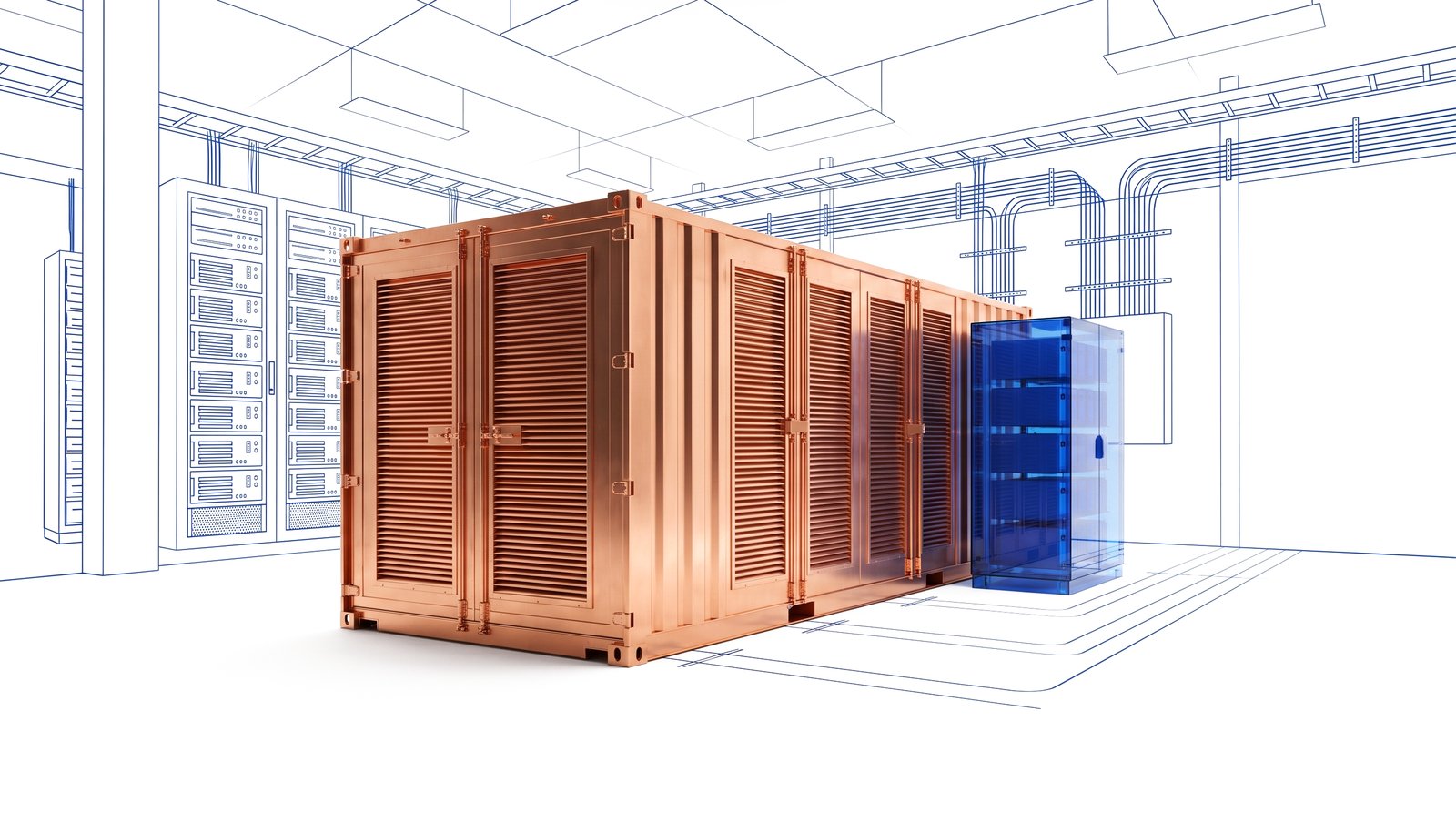
Data center energy challenges 2026: explore the key energy challenges data centers face in 2026, from power reliability and renewable procurement to grid interconnection and water cooling solutions. Data center energy challenges in 2026 are shaping how the industry operates and how communities respond to new projects. In Memphis, for example, a data center built by SpaceXAI has installed what may be the largest battery in the United States. Satellite imagery from July 11 shows a large number of Tesla Megapacks 1. The company claims the battery is large enough to power all of Memphis for a short period, although the exact capacity remains unclear 1. Meanwhile, in New Mexico, Oracle and OpenAI are pursuing a significant amount of new renewable energy to offset fossil-fuel-based power at their massive Stargate data center. Their goal is to achieve 100% carbon-free energy matching by 2031 3. As data centers increase electricity demand, the U.S. Energy Information Administration projects that overall electricity use will rise in both 2026 and 2027 3. Data centers and manufacturing are key contributors to this trend. Utilities and grid operators are therefore implementing new strategies to manage demand flexibility and interregional power transfers. These measures helped prevent blackouts during recent severe weather events 6, 9.
Why this matters now
Data centers are adding substantial electricity demand as the U.S. grid faces growing pressure. As a result, the U.S. Energy Information Administration projects overall electricity use will increase by 2% in 2026 and 2028, with data centers and manufacturing as key drivers 19. Meanwhile, in New Mexico, Oracle and OpenAI’s Project Jupiter aims to procure 2 gigawatts of new renewable energy by 2031 to meet a 100% carbon-free energy matching goal 3. However, this effort follows local opposition and regulatory delays. Additionally, the New York Independent System Operator reported the slimmest reliability margin in recent history ahead of summer 2026, after the Champlain Hudson Power Express transmission line experienced outages during a heatwave 4. In response, utilities are expanding demand flexibility programs to balance supply and demand 6. For example, a 40-megawatt-hour Tesla Megapack battery storage system is operating at a data center in Memphis 1. These developments ultimately highlight the urgent need to align energy supply, grid reliability, and community acceptance for data center growth.
What the sources report
Power supply reliability is tight and under stress
The New York Independent System Operator reported the slimmest reliability margin in recent history ahead of summer 2026, after the Champlain Hudson Power Express transmission line experienced outages during a heatwave 4. As a result, during the July 2026 heatwave, multiple unexpected generator outages further strained the grid, highlighting the need for careful reliability planning 4. In addition, in Pennsylvania, the state public utilities commission found a system-wide reliability shortfall of 6,831 megawatts for the 2028-29 delivery year in the PJM region 5. However, unplanned power plant outages fell sharply during the 2025-26 winter storms, because improved preparations and interregional power transfers helped avoid blackouts during severe cold 9.
Renewable energy procurement is expanding but faces delays and opposition
First, Oracle and OpenAI’s Project Jupiter in New Mexico aims to procure 2 gigawatts of new renewable energy by 2031 to match 100% carbon-free energy goals, but local opposition and regulatory delays have slowed progress 3. Second, the project’s renewable procurement is prioritized for accelerated timelines, since a dashboard is used to track environmental data and additional investment is being made in carbon capture research 3. Meanwhile, solar generation in the U.S. is expected to grow 21% in 2026 and 18% in 2027, indicating broad momentum for renewables despite project-specific challenges 19.
Battery storage is being deployed at data centers and by utilities
Notably, a 40-megawatt-hour Tesla Megapack battery storage system is operating at a data center in Memphis 1. Specifically, the battery era is expanding, with China supplying much of the market, reflecting a shift toward grid-scale storage solutions 10. Furthermore, utilities are expanding demand flexibility programs to balance supply and demand, which often rely on battery storage and other resources 6.
Water cooling is a growing consideration for data center sites
For example, the article notes that water cooling resilience is a key operational concern for data centers, though specific water usage figures for 2026 are not provided in the cited sources for this section 8. In fact, water-related infrastructure and resource tracking remain important for site selection and community impact assessments 8.
Grid interconnection and transmission remain bottlenecks
While the Champlain Hudson Power Express transmission line’s outages during peak demand underscore the risk of relying on single large transmission projects 4, the western U.S. is assessing whether it is on the cusp of a transmission breakthrough, indicating ongoing challenges but possible progress 11. Additionally, legal disputes between utilities and large hydropower providers also highlight transmission and resource coordination issues 12.
Demand flexibility and demand response are increasingly important
Because utilities are expanding demand flexibility programs to manage supply and demand balance, especially during stress events 6, virtual power plant programs such as Google’s partnership with PG&E demonstrate the role of distributed energy resources in supporting grid reliability 14. Moreover, demand response and load management are central to managing rapid load growth from data centers and other large users 5.
Regulatory and cost frameworks are adapting to new loads
Ultimately, Pennsylvania’s public utilities commission is examining updates to emergency curtailment rules and cost allocation for data centers as load growth accelerates 5. However, regulators are also reviewing ratemaking and return-on-equity frameworks to ensure affordability and reliability as electricity demand rises 5.
How does this change the economics?
The need for more power and greater reliability is pushing utilities and data center operators to spend more on infrastructure and flexibility. As a result, utilities are expanding demand flexibility programs to manage supply and demand during stress events. For example, Oklahoma Gas & Electric found that customers were shifting energy use to the wrong hours in its variable peak pricing program. After implementing personalized AI-driven recommendations, the utility improved reliability and reduced customer costs 6.
However, virtual power plant programs are also expanding in response to these challenges. Google’s partnership with PG&E on the SHARE program will deploy distributed energy resources as a proof of concept. Meanwhile, regulators are revisiting cost allocation and reliability rules to keep the grid affordable and reliable as data center load grows. The Pennsylvania Public Utilities Commission identified a system-wide reliability shortfall for a future delivery year in PJM 5.
Because of this shortfall, the commission is updating emergency curtailment rules and will hold a technical conference on cost allocation for data centers 5. It will also form a working group to improve ratemaking processes and transparency. In fact, projected industrial load growth over the next five years in Pennsylvania has prompted these actions 5.
The economics of power procurement are tightening due to resource adequacy concerns and higher peak demand. PJM’s July 2026 capacity auction showed a system-wide reliability shortfall for a future delivery year 5. First, utilities are accelerating new capacity additions; for instance, Oklahoma Gas & Electric’s Horseshoe Lake Unit 11 gas turbine entered service ahead of schedule 8. Second, battery storage deployment is also accelerating 10.
Solar generation is expected to grow in the coming years, according to the EIA 19. These developments contribute to increased market volatility. Therefore, data center projects face higher and more volatile power costs unless they adopt flexibility measures. Utilities may impose higher peak charges or require participation in demand response programs as load grows 6.
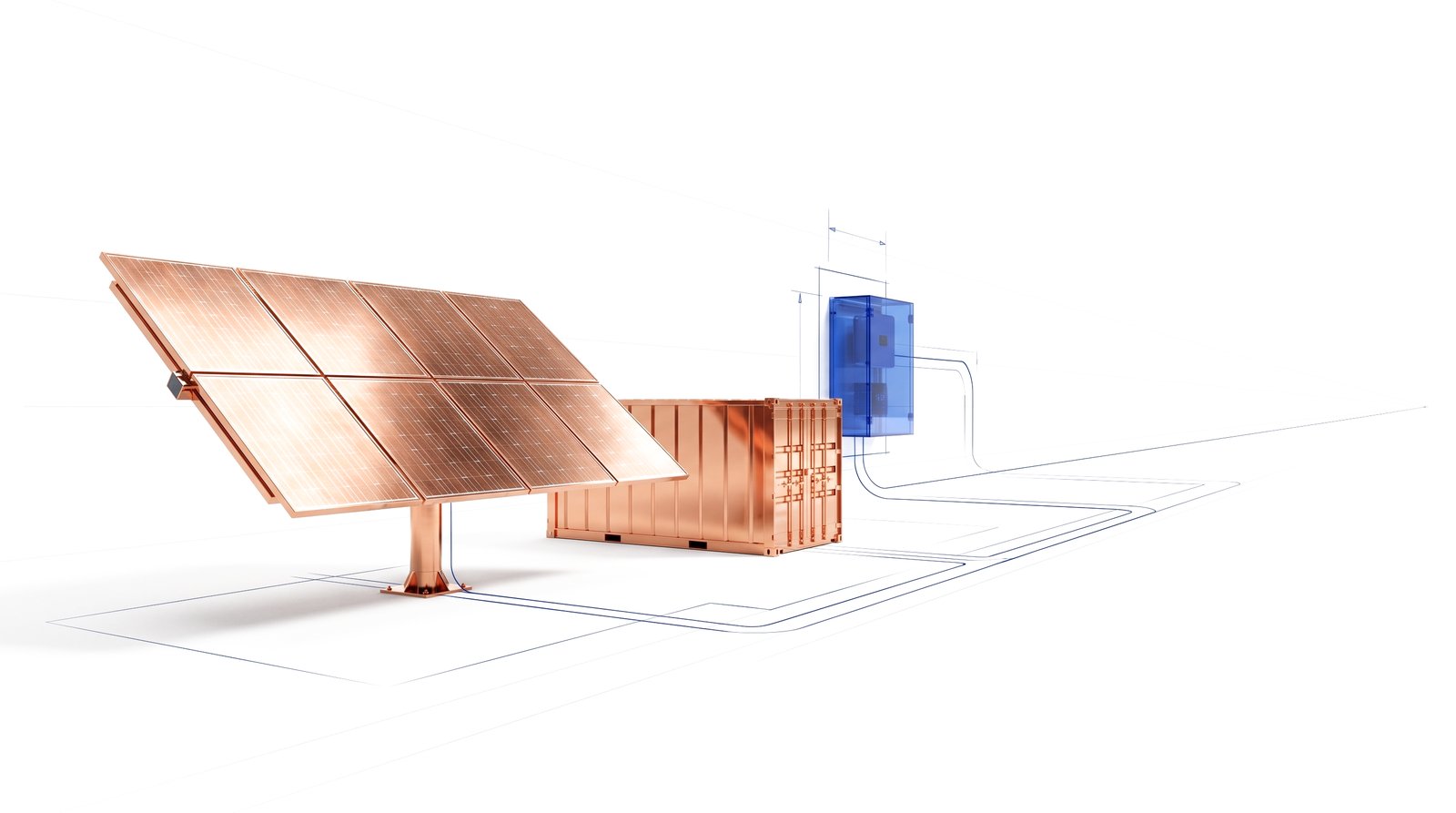
Operators that invest in on-site generation or battery storage can reduce exposure to peak charges and curtailment risk 1. Specifically, battery storage projects are being built near data centers to provide backup power during grid stress events 1. Moreover, the focus on resilience and local generation is influencing site selection and capital planning.
Ultimately, operators must now consider the possibility of curtailment, higher peak demand charges, and the need for demand flexibility when choosing sites and negotiating with utilities 5, 6.
What are operators doing about it?
Operators are investing in on-site generation and battery storage to reduce exposure to peak charges and curtailment risk 1, 6. For example, xAI built a large battery at its Memphis data center to provide backup during grid stress events 1. Utilities and operators are also exploring demand flexibility programs that allow customers to shift energy use away from peak periods 6. Some operators are pairing data centers with solar projects to help address local opposition and improve power supply reliability 3. Meanwhile, regulators are updating rules to address emergency curtailment and cost allocation as data center load grows 5. Utilities are also working to improve visibility and control of distributed resources like electric vehicle chargers and virtual power plants 13, 14.
What does it mean for sites and communities?
Data centers are adding large battery systems to avoid power outages and high peak charges 1. As a result, nearby communities may experience more frequent large electrical loads. This increased demand often requires stronger local grid infrastructure to support these facilities 13.
Utilities are also expanding demand flexibility programs that allow customers to shift energy use away from peak times 6. Therefore, local residents and businesses may be asked to change how and when they use electricity. In addition, this can help balance the grid when data centers operate at full capacity 6.
Some data center projects are pairing with solar power to address local opposition and improve reliability 3. This approach can bring new solar farms to the area. Specifically, these farms may create jobs and reduce reliance on fossil fuels. However, they also require land and can alter the local landscape 3.
As data center loads grow, regulators are updating rules on how utilities set rates and handle emergency curtailment 5. Consequently, communities served by these utilities may see new charges or programs. For example, these changes can affect how much residents pay for electricity during shortages 5.
Water cooling is becoming more common in data centers, raising concerns about local water use in dry regions 7. Operators are exploring ways to reduce water consumption. Meanwhile, the technology and rules for water use are still evolving 7.
Some utilities are deploying virtual power plants and better tracking of distributed resources like electric vehicle chargers to manage extra demand 13, 14. This can make the local grid more resilient. On the other hand, it also means more sensors and controls in the community 13, 14.
In areas where new gas units are built to support data center loads, local air quality and land use may be affected 8. Utilities are adding flexible gas turbines to respond quickly when data centers need more power. First, this helps meet demand spikes. Second, it can increase local emissions unless cleaner options are used 8.
Unplanned power plant outages have fallen during severe weather, partly due to better planning and regional power transfers 9. This improvement can help keep data centers running during extreme weather. However, it also requires more coordination across larger areas 9.
Battery supply chains are dominated by China, which can affect the cost and speed of building new battery projects near data centers 10. Communities may see more battery manufacturing or storage projects. Nonetheless, supply constraints could slow progress 10.
Transmission expansion is a bottleneck in some regions, which can delay bringing new power to data center sites 11. Local communities may therefore wait longer for promised infrastructure improvements 11.
Legal disputes between utilities and large power providers can create uncertainty about how new power will reach data centers 12. These cases may affect the pace of new transmission projects. Ultimately, this uncertainty can impact the reliability of power supply for local data centers 12.
Utilities are working to make electric vehicle charging more visible and manageable on the grid, especially when many EVs charge at the same time as data centers operate 13. This coordination can prevent local outages. Yet, it requires more participation from residents and businesses 13.
Some utilities are receiving federal funding to restart or upgrade nuclear plants, which could provide stable, low-carbon power for data centers and benefit nearby communities 20. These projects can create jobs and reliable power. However, they also require significant investment and safety oversight 20.
Overall, the growth of data centers is changing how local grids operate, how much power is needed, and how utilities and communities must plan for the future 5, 6, 13.
Where do the risks sit?
The biggest risks for data center operators and the communities that host them are around power supply reliability, grid interconnection delays, water availability for cooling, and regulatory uncertainty.
Power supply reliability
Unplanned power plant outages in the Eastern Interconnection fell from 90,500 MW during Winter Storm Elliott in December 2022 to about 49,700 MW in January 2026. In Texas, outages dropped from 35,300 MW during Winter Storm Uri in February 2021 to about 19,420 MW in January 2026. As a result, the Midcontinent Independent System Operator was able to import up to 9 GW of power during January 2026, mainly from PJM and Canada. This helped meet a record electricity demand of 666 GW without planned blackouts. However, grid strain continues to be a major concern. Electricity use in the U.S. peaked at 666 GW during recent cold weather events. Natural gas consumption in the power sector is expected to remain near recent highs this summer and could reach a new record of 46.1 Bcf/d by summer 2027. This increase is driven by higher demand from data centers and manufacturing in Texas and Virginia. In the West South Central region, commercial and industrial electricity demand is projected to rise by 20% from summer 2025 to summer 2027.
Grid interconnection delays
Interconnection delays continue to slow new data center projects. The Pennsylvania Public Utility Commission is considering changes to ratemaking and return on equity in response to rising data center demand in the PJM region, which could impact project costs and timelines. In addition, experts note that the Western U.S. has not yet achieved a major breakthrough in transmission construction. Consequently, delays of several years can occur after permitting is complete.
Battery storage adoption
Battery storage is increasingly used to support data center operations. For example, a large battery was built at a Memphis data center to improve reliability. However, China’s dominance of the global battery supply chain may lead to cost and delivery challenges for U.S. projects. Therefore, operators might face difficulties in obtaining timely and affordable battery supplies.
Water cooling resilience
Water availability is becoming a more critical issue. Competition for water resources is growing between data centers, agriculture, and municipalities, which could create bottlenecks for new projects. As a result, operators must carefully evaluate local water resources before proceeding with new developments.
Other risks
Generation capacity is expanding to meet rising demand. A nuclear plant in Iowa received a $1.9 billion loan to restart operations. Moreover, two new gas turbine units at the Horseshoe Lake plant in Oklahoma began operating early, adding 448 MW of flexible generation. Despite these expansions, natural gas demand in the power sector is projected to stay high through 2027. Extreme weather events still pose a risk. Although recent winters saw fewer unplanned outages, experts warn that more intense storms require updated grid planning to avoid future disruptions. For instance, stronger infrastructure may be necessary to ensure reliability.
What this means for data center operators
Operators should anticipate longer lead times for grid interconnections and water permits. They must also prepare for higher and less predictable power costs as regulators adjust to new demand. On-site battery storage can enhance reliability, but supply chain issues may delay its deployment. Additionally, operators should assess local water availability and collaborate with utilities to join demand flexibility programs. Ultimately, the most significant risks involve the timing, cost, and reliability of securing power and water.
If you run a data center, check the Data Center Moratorium Tracker for local permit delays, the Grid Operator Watchlist for interconnection backlogs, and the Water Tracker for water supply risks in your region.
What should universities and public partners ask?
Universities and public partners should ask how a proposed data center project will secure long-term, reliable power and water. For example, securing these resources is essential for ongoing operations. They should request a breakdown of the power source mix and the timeline for grid interconnection approval. However, interconnection delays can stretch for years in some regions, which may affect project schedules and public commitments. 3 Public partners should also ask about on-site battery storage plans and how those batteries will be maintained during supply chain constraints. 1 In addition, they should demand clarity on water usage and cooling methods, including whether evaporative cooling is used and how drought conditions will be managed. 8 They should ask if the project participates in demand flexibility programs that can help balance grid load during peak times. 6 Meanwhile, universities and public agencies should request a risk assessment of local grid reliability, particularly during extreme weather events, and whether contingency plans are in place. 4 Finally, they should ask for a map of local permit risks and interconnection backlogs using publicly available tracking tools, such as the Data Center Moratorium Tracker and the Grid Operator Watchlist. 8, 4
How SAVRN builds for this
SAVRN builds and operates AI factories that communities are proud to host. Each campus generates its own power on site. Each campus runs water-free cooling. Each campus places a training institute at the front to reskill the local workforce. SAVRN also publishes and maintains public research tools that help communities understand energy and infrastructure challenges. These tools include the Data Center Moratorium Tracker and the Grid Operator Watchlist.
What to do next
If your organization is planning or operating data centers, the energy landscape in 2026 is changing rapidly, so you must act now. Below are concrete steps to take, based on recent reports.
1. Map your power supply reliability and interconnection timeline
Transmission projects in the West often take two to three times longer than in other regions. For instance, one project required over twelve years to complete a single segment 11. Therefore, it is important to check if your area has current restrictions using the Data Center Moratorium Tracker Data Center Moratorium Tracker. During grid stress periods, grid independence becomes crucial, as recent outages have shown 4.
2. Plan for battery storage and on-site generation
Global battery deployments have grown nearly 19 times between 2020 and 2025, reaching over 1.5 terawatt-hours in 2025 10. XAI, for example, built a large battery at its Memphis data center 1. Meanwhile, on-site gas turbines can enter service ahead of schedule; OG&E’s Horseshoe Lake Unit 11 gas turbine began operations six months early 8.
3. Secure renewable energy contracts with local solar
Solar generation is projected to increase by 21% in 2026 and 18% in 2027 19. Utilities and large customers are turning to solar to address energy supply concerns related to data centers 3. However, long permitting and interconnection delays can still impact project timelines 11.
4. Engage with utilities on demand flexibility and curtailment
Utilities are expanding demand flexibility programs that allow customers to shift or reduce load during peak times to manage grid stress 6. In PJM territory, regulators are considering how to balance rising electricity demand with available resources, which may include curtailment 5. As a result, early engagement with utilities is essential.
5. Assess water risk and cooling strategy
Water cooling resilience is now a key factor in site selection. Some regions face significant water-related challenges, prompting a move toward water-free cooling options where possible. Use the Water Tracker to monitor local water constraints and regulatory changes Water Tracker.
6. Track regulatory and policy changes
Grid operators and state regulators are adapting how they handle interconnection, rates, and reliability as data center demand grows 4, 5, 11. Subscribe to updates from your local ISO and state utility commission. In addition, the Grid Operator Watchlist can help you stay informed about changes that might affect your project Grid Operator Watchlist.
7. Prepare for permitting and land-use delays
Transmission and interconnection projects in the West frequently experience long permitting and land-use delays, sometimes lasting decades for major segments 11. Begin land use, environmental, and permitting processes early. Plan for multi-year timelines for new transmission infrastructure.
8. Use public tools to monitor delays and market shifts
SAVN offers public tools to help track moratoria, grid operator actions, and delays. These include the Data Center Moratorium Tracker, Grid Operator Watchlist, Data Center Delay Tracker, Water Tracker, and Capital Atlas. Use these tools regularly to anticipate and respond to changes quickly.
9. Build in financial buffers for energy costs and delays
Battery prices have dropped 93% since 2010 and 36% since 2020 10. However, permitting and supply chain issues can still cause delays and cost overruns. Therefore, include contingency funds in your budget for unexpected grid upgrades, battery storage, or alternative cooling solutions.
10. Partner with local universities and workforce programs
Integrating local workforce training can reduce community resistance and speed up hiring. Partner with nearby universities or community colleges to develop a talent pipeline for technical roles.
If you are a university or public partner, ask your data center clients about their planned backup power duration for grid outages, the amount of energy from local renewables and contract lengths, their chosen cooling strategy and water considerations, participation in demand flexibility or curtailment programs, and contingency plans for transmission delays.
By taking these steps now, you can reduce risk and ensure your data center operates reliably and resiliently in 2026 and beyond.
Frequently asked questions
What battery technologies are data centers using to manage peak demand?
Data centers are deploying large-scale battery systems to smooth out peak demand and reduce grid strain. For example, xAI built a massive battery at its Memphis data center to support grid stability 1.
How can utilities and data centers collaborate on demand flexibility?
Utilities can offer demand flexibility programs that let data centers shift or reduce load during peak times in exchange for incentives. Empowering customers with demand flexibility helps balance supply and demand more effectively 6.
What role does solar power play in addressing data center energy concerns?
Some data center operators are investing in on-site solar to offset energy use and demonstrate environmental responsibility. Oracle and OpenAI are expanding solar to help address local pushback on data center energy use 3.
How does grid operator independence affect data center reliability?
An independent grid operator ensures fair and reliable grid operations during stress events, which is crucial for data centers that need consistent power. The New York ISO’s independence was highlighted during a recent grid stress event 4.
What are regulators doing about rising data center electricity demand?
Regulators are considering changes to ratemaking, return on equity, and curtailment policies as data center loads grow. The Pennsylvania Public Utility Commission is reviewing these issues amid rising electricity demand in PJM territory 5.
How can data centers prepare for extreme weather events?
Data centers should review grid reliability reports and plan for potential outages by diversifying power sources and improving resilience. Unplanned power plant outages dropped during recent winter storms, but risk remains 9.
Why are battery supply chains important for data center planning?
The battery supply chain, especially from China, is a key factor in scaling energy storage for data centers. The battery era is here, and China is supplying much of the equipment 10.
How do transmission improvements help data center siting?
Transmission upgrades can reduce local grid constraints, making it easier to site new data centers in areas with high renewable potential. The West may be approaching a transmission breakthrough that benefits large energy users 11.
What financial mechanisms support new power generation for data centers?
Government-backed loans can fund new generation capacity that supports data center growth. The U.S. Department of Energy provided a $1.9 billion loan to help restart a nuclear plant that could supply data centers 20.
How can data centers assess their impact on local electricity prices?
Data centers should review recent studies and local pricing data to understand their effect on electricity costs. Analyses show mixed results on whether data centers significantly increase local electricity prices 21.
Sources
- xAI has quietly built a massive battery at its Memphis…, Canary Media, Sep 11, 2026.
- Lineage Suing Solar Company Altus Power Over Boyle Heights Warehouse Fire, Bisnow, Sep 11, 2026.
- Oracle and OpenAI bet that more solar could combat data center pushback, Latitude Media, Sep 11, 2026.
- New York ISO’s independence is critical when the grid is stressed, Industry Dive, Utility Dive, Sep 11, 2026.
- Pennsylvania PUC to consider ratemaking, ROE and curtailment as data center load grows, Industry Dive, Utility Dive, Sep 11, 2026.
- Empowering utility customers with demand flexibility, Latitude Media, Sep 11, 2026.
- Five leadership lessons I learned from working at a nuclear power plant, Power Engineering, Clarion Events, Sep 11, 2026.
- OG&E’s new gas unit at Horseshoe Lake plant is ready for operation six months ahead of schedule, Power Engineering, Clarion Events, Sep 11, 2026.
- Unplanned power plant outages fell sharply during 2025/26 winter storms: FERC-NERC report, Industry Dive, Utility Dive, Sep 11, 2026.
- The battery era is here — and China is supplying it, Canary Media, Sep 11, 2026.
- Is the West on the cusp of a transmission breakthrough?, Latitude Media, Sep 10, 2026.
- Mass. utilities and Hydro-Quebec sue each other over…, Canary Media, Sep 10, 2026.
- EVs Are Already on Your Grid. Visibility Is the Missing Piece., American Public Power Association, Sep 10, 2026.
- Google bankrolls PG&E virtual power plant, Industry Dive, Utility Dive, Sep 10, 2026.
- Beyond Category 5: What extreme hurricanes mean for electric utilities, Industry Dive, Utility Dive, Sep 10, 2026.
- Matt Gizmunt, American Public Power Association, Sep 10, 2026.
- Joseph Koh, American Public Power Association, Sep 10, 2026.
- Tonya Schaffitzel, American Public Power Association, Sep 10, 2026.
- Solar generation expected to grow 21% this year, 18% in 2027: EIA, Industry Dive, Utility Dive, Sep 10, 2026.
- Duane Arnold’s nuclear restart in eastern Iowa gets $1.9B boost from DOE, Power Engineering, Clarion Events, Sep 10, 2026.
- Do data centers really increase electricity prices?, Latitude Media, Sep 10, 2026.
- Lisa Stowe, American Public Power Association, Sep 10, 2026.
- Coal-to-solar project lands a rare clean-energy win in…, Canary Media, Sep 10, 2026.
- Trump emergency order casts uncertainty over grid…, Canary Media, Sep 10, 2026.
Want the next one?
When a new piece publishes on SAVRN Insights, you get one email with what it covers and a link to read it. Choose the research that interests you.
Also send me
Receive a short introduction on days 3, 7 and 14, plus the updates you select. Unsubscribe in one click. Privacy
How data centers are navigating energy challenges in 2026
Get new SAVRN Insights by email
A short introduction on days 3, 7 and 14, plus new SAVRN research articles. Unsubscribe at any time.
We use your address to send the introduction and updates described above. See our Privacy Policy.