The Power of Flexibility in AI and Bitcoin Mining
Utilities today face a growing paradox. Renewable energy brings low-cost, low-carbon electrons—but also volatility. Meanwhile, the demand for electricity is poised for explosive growth, especially from AI data centers. The solution? A dual‑asset approach marrying planned and instantaneous flexibility.
The Growing Strain on the Grid
Data center electricity demand is booming. A Department of Energy report found that data centers consumed about 4.4% of U.S. electricity in 2023, and estimates show that could rise to between 6.7% and 12% by 2028 as AI workloads expand ERCOT—the Texas grid operator—warns demand may nearly double by 2030 due to new, power-hungry infrastructure like data centers and crypto‑mining operations.
Renewable Energy Is Growing… and Getting Locked Out
Texas keeps breaking renewable records. In April 2025, solar hit a record 26,741 MW, making up over 50% of ERCOT’s demand on that day. Yet the grid still struggles to use all that clean energy—solar and wind are frequently curtailed. In 2024 alone, ERCOT curtailed 3.1 TWh of wind and 2.2 TWh of solar energy.
Scaling up further, projections show that by 2035, wind curtailments could reach 13%, and solar could climb to 19% of generated potential U.S. Energy Information Administration. That’s electrons literally going to waste.
Bitcoin Mining: From Critic to Controllable Load Hero
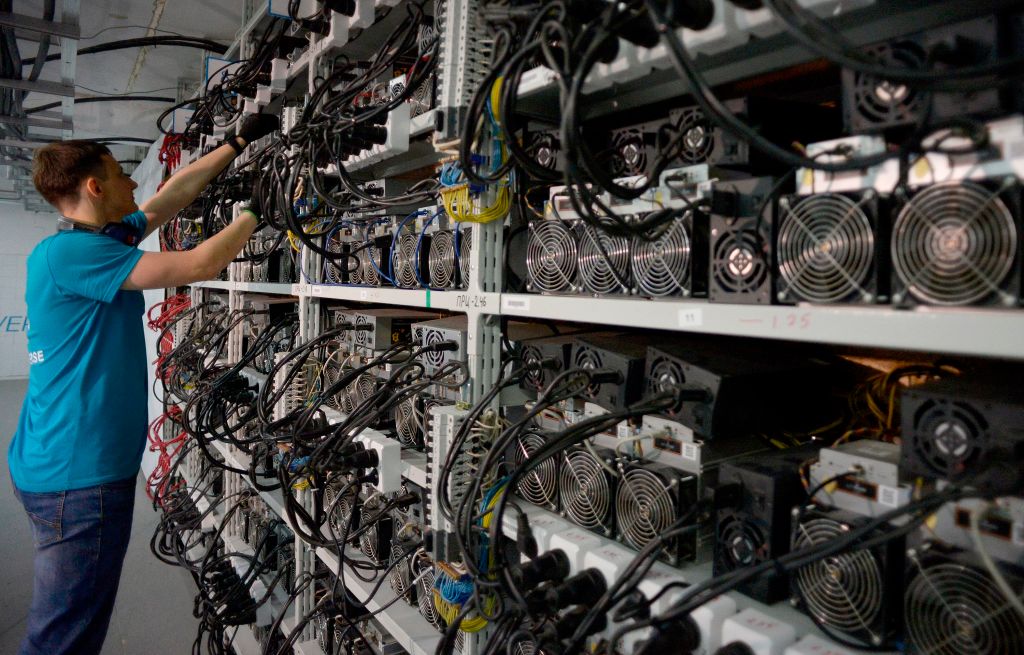
Poised to help is bitcoin mining—and it’s not as chaotic as headlines suggest. The real story: miners can turn off instantly, with no damage or restart penalty, making them extremely agile, large-scale, dispatchable loads. They’ve already demonstrated this, curtailing 888 GWh of electrical load in 2023—proof of their grid-scale flexibility.
In ERCOT, about 100 MW of bitcoin mining power is actively integrated as a Controllable Load Resource (CLR)—miners dial in directly with utilities, modulating demand in real time Resistance Money.
The U.S. Energy Information Administration (EIA) estimates that crypto mining accounts for 0.6% to 2.3% of total U.S. electricity consumption, using a mix of Cambridge CBECI (Bitcoin Electricity Consumption Index) data and its own bottom-up analysis. Moreover, over half of global bitcoin mining now uses sustainable energy.
AI Data Centers: Planned Partners in Load Shaping
Unlike mining, AI data centers run on predictable schedules, and offer massive but forecastable load. That makes them ideal for load shaping—for instance, ramping up compute when solar is abundant and deferring it when the grid is stressed. Together with mining, they form a compelling one-two punch: AI for planned flexibility; Bitcoin mining for instant response.
A Dual-Asset Strategy with Tangible Grid Rewards
Grid Stability: AI handles scheduled shaping; bitcoin mining provides emergency load curb.
Maximized asset use: Infrastructure stays busy, even in off-peak periods.
Renewable integration: Surplus clean energy gets absorbed instead of curtailed.
Revenue upside: Utilities can monetize flexibility through demand response programs.
What Utilities Can Do Now
To deploy this model practically:
- Co-Locate Assets – Substations, power plants, or grid pinch points make ideal homes for combined AI/mining facilities.
- Modernize Contracts – Time-of-use incentives for AI centers; interruptible, real-time agreements for mining.
- Tie Into Grid Operations – Profile AI as forecastable load; let mining operate as real-time grid insurance.
- Enhance Analytics – Bring in granular metering and forecasting tools to fine-tune dispatch decisions.
Why It Matters—and What Comes Next
This isn’t just buzz. It’s strategy. As reliability risks grow, we need predictable load shaping and rapid response. AI data centers and bitcoin mining each provide what the grid now lacks—but together, they build a resilient and cleaner future.
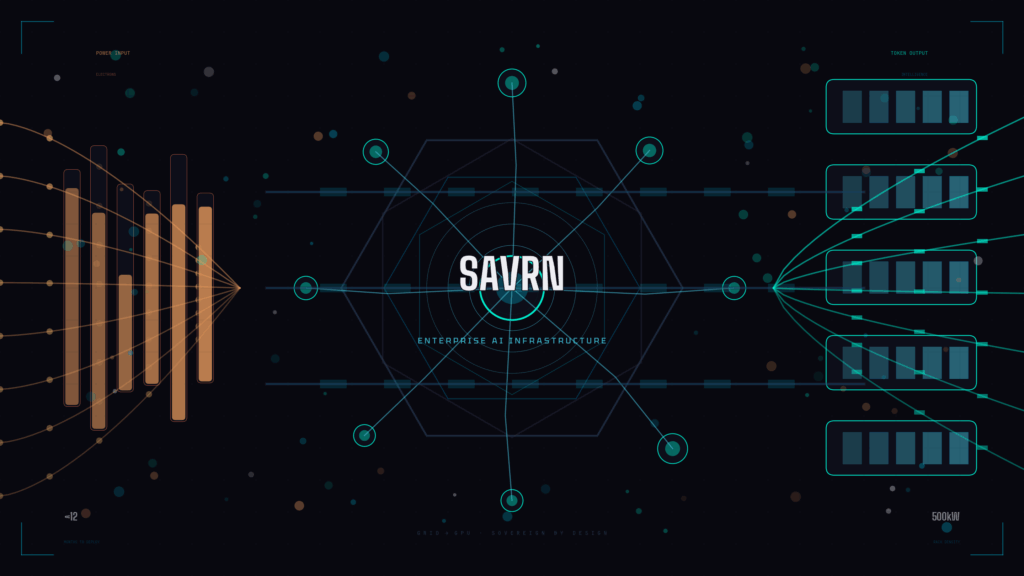
At Savrn, we’re engineering the infrastructure, partnerships, and frameworks to make this model industrial. We believe it shouldn’t just sound smart—it should work smart.
The Dual-Asset Strategy: Combining Forces for Grid Excellence
The integration of AI data centers and Bitcoin mining operations creates a synergistic approach to grid management that neither asset class could achieve alone. This dual-asset strategy delivers benefits across multiple dimensions of grid operation.
Grid Stability Enhancement: AI data centers provide scheduled load shaping that allows utilities to optimize generation dispatch and transmission utilization. Bitcoin mining adds emergency load curtailment capability, creating a rapid-response buffer during unexpected demand spikes or supply shortages. Together, they help maintain the continuous balance between supply and demand essential for grid reliability.
Maximized Infrastructure Utilization: Power generation and transmission infrastructure represents billions of dollars in capital investment. Flexible loads ensure this infrastructure remains productive even during off-peak periods when traditional demand is low. Rather than sitting idle, transmission lines and generation facilities serve computational workloads that can shift their timing to match grid conditions.
Accelerated Renewable Integration: The curtailment crisis wastes clean energy and undermines renewable project economics. Flexible loads absorb surplus generation during periods of excess renewable production, improving project financial returns and encouraging continued clean energy investment. A wind farm that might have curtailed 20% of output can instead sell that energy to flexible computational loads, strengthening the business case for future renewable development.
Revenue Opportunities for Utilities: Demand response programs create new revenue streams for utilities and their flexible load customers alike. Curtailment credits, capacity payments, and ancillary services compensation reward participants for providing grid flexibility. These economic incentives align private interests with public grid reliability goals.
Practical Implementation: What Utilities Can Do Now
Deploying this dual-asset model requires thoughtful planning and partnership development. Forward-thinking utilities can begin implementing these strategies through several practical approaches.
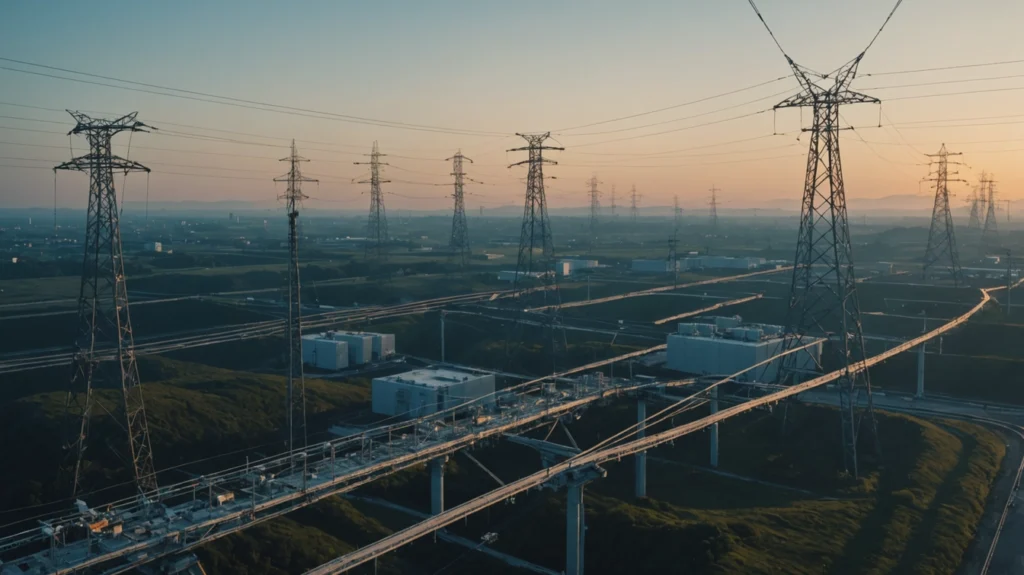
Strategic Co-Location Planning: Substations, power plants, and transmission congestion points make ideal locations for combined AI and mining facilities. Co-locating flexible loads near grid pinch points allows them to absorb local generation that cannot be transmitted elsewhere, reducing congestion and curtailment simultaneously. West Texas solar installations could partner with adjacent computational facilities to monetize generation that would otherwise be curtailed.
Modernized Contract Structures: Traditional utility contracts weren’t designed for flexible computational loads. Time-of-use pricing incentivizes AI centers to shift workloads to off-peak periods. Interruptible service agreements provide real-time curtailment options for mining operations. Innovative contract structures align customer economic incentives with grid flexibility needs.
Integrated Grid Operations: Successfully managing flexible loads requires treating them as grid resources rather than passive consumers. AI data centers should be profiled as forecastable, optimizable loads that can be scheduled around system conditions. Bitcoin mining operations should function as real-time grid insurance, available for immediate curtailment when conditions warrant.
Enhanced Forecasting and Analytics: Granular metering and advanced forecasting tools enable fine-tuned dispatch decisions. Understanding when renewable curtailment is likely allows proactive engagement with flexible loads before clean energy goes to waste. Predictive analytics can optimize the scheduling of AI workloads to maximize renewable utilization.
Why This Matters: Building a Resilient Energy Future
The convergence of rising electricity demand, renewable energy expansion, and flexible computational loads represents more than a technical challenge. It offers an opportunity to build a more resilient, sustainable, and economically efficient grid for generations to come.
Grid reliability risks continue growing as extreme weather events become more frequent and severe. The dual-asset strategy provides utilities with tools to manage these risks through both planned load shaping and rapid demand response. Rather than building expensive peaker plants that sit idle most of the year, utilities can call upon flexible loads when supply-demand balance tightens.
Climate goals require dramatically increased renewable energy deployment. However, building clean generation without adequate flexibility to absorb it simply shifts the bottleneck from generation to utilization. Flexible computational loads help break this logjam by providing willing buyers for surplus renewable energy.
The economic benefits extend throughout the electricity value chain. Renewable developers gain additional revenue streams from energy that would otherwise be curtailed. Utilities avoid expensive infrastructure investments by utilizing demand flexibility. Consumers benefit from lower electricity rates as grid efficiency improves.
Frequently Asked Questions (FAQs)
1. How much electricity do U.S. data centers currently consume?
U.S. data centers consumed approximately 183 terawatt-hours of electricity in 2024, representing over 4% of total national electricity consumption. This is roughly equivalent to the annual electricity demand of Pakistan. Projections suggest this could reach 325-580 TWh by 2028, potentially representing up to 12% of total U.S. electricity generation.
2. What is renewable energy curtailment and why does it matter?
Renewable energy curtailment occurs when grid operators reduce wind or solar generation because the grid cannot absorb all available power. In 2024, ERCOT curtailed over 8 TWh of wind and solar energy. This wasted clean energy represents lost revenue for renewable developers and slows progress toward climate goals.
3. How can Bitcoin mining help stabilize the power grid?
Bitcoin mining operations can reduce electricity consumption within minutes or seconds with no equipment damage or restart penalties. This flexibility allows miners to participate in demand response programs, curtailing load during grid emergencies or high-price periods. Texas miners have demonstrated this capability during heatwaves and winter storms.
4. What percentage of Bitcoin mining uses renewable energy?
According to the Cambridge Centre for Alternative Finance’s 2025 Digital Mining Industry Report, 52.4% of Bitcoin mining now uses sustainable energy sources. This includes 9.8% nuclear power and 42.6% renewables such as hydropower and wind, representing significant improvement from 37.6% in 2022.
5. How do AI data centers differ from Bitcoin mining in providing grid flexibility?
AI data centers offer planned flexibility through predictable, schedulable workloads that can be shifted to periods of abundant renewable generation. Bitcoin mining provides instantaneous demand response capability for emergency grid events. Together, they create a comprehensive flexibility strategy addressing both routine optimization and emergency response needs.
6. How much has ERCOT electricity demand grown in recent years?
ERCOT electricity demand increased 5% in the first nine months of 2025 compared to the same period in 2024, reaching 372 TWh. This represents 23% growth compared to the same months in 2021. ERCOT forecasts project peak demand could reach 139 GW by 2030, up from approximately 85,000 MW currently.
7. What economic benefits do flexible loads provide to grid operators?
Flexible loads like Bitcoin mining operations have saved Texas consumers an estimated $18 billion by reducing dependence on expensive gas peaker plants. Additionally, Duke University research found flexible loads could add over 76 gigawatts to grid capacity while limiting curtailment to just 0.25% annually.
8. How much revenue do Bitcoin miners earn from grid services?
Riot Platforms earned $30.6 million in power curtailment credits during Q3 2025 alone, representing a 147% increase from the same period in 2024. In August 2023, ERCOT paid a single miner $24.2 million in curtailment credits plus $7.4 million from demand response programs.
9. What role does Texas play in the flexible load revolution?
Texas leads the nation in both renewable energy generation and flexible computational loads. Wind and solar met 36% of ERCOT electricity demand in the first nine months of 2025. Data center power consumption is expected to reach 9.7 GW by 2025, with large flexible loads representing approximately 10% of total grid demand.
10. How can utilities implement dual-asset flexibility strategies?
Utilities can implement these strategies through strategic co-location of flexible loads near grid congestion points, modernized contract structures including time-of-use pricing and interruptible service agreements, integrated grid operations treating flexible loads as grid resources, and enhanced forecasting tools to optimize renewable energy utilization.
Recommended Related Articles
- “Understanding ERCOT’s Large Flexible Load Program: A Guide for Data Center Operators” – Explore how Texas grid operators manage computational loads and the requirements for participating in demand response programs.
- “The Economics of Renewable Energy Curtailment: Why Clean Power Goes to Waste” – Deep dive into transmission constraints, curtailment patterns, and the financial impact on renewable energy developers.
- “Data Center Site Selection: Power Infrastructure Considerations for AI Workloads” – Guide to evaluating power availability, grid stability, and interconnection timelines when planning AI infrastructure deployments.
- “Behind-the-Meter Power Generation: How On-Premise Energy Solves Interconnection Delays” – Analysis of alternative power delivery strategies for data centers facing multi-year grid connection queues.
- “The Sovereign AI Revolution: Building American Infrastructure for Computational Independence” – Exploration of domestic AI infrastructure development and its strategic importance for national competitiveness.
Outbound Links (Sources)
- U.S. Energy Information Administration – Data Center Energy Analysis
- Department of Energy – 2024 Data Center Energy Usage Report
- Pew Research Center – Data Center Energy Consumption Analysis
- Cambridge Centre for Alternative Finance – Bitcoin Mining Report
- ERCOT Grid Information
- Lawrence Berkeley National Laboratory – Energy Research