What's Really Delaying Data Centers, and for How Long
Chips are shipping faster than data centers can take them. We rechecked every critical equipment category six weeks after our August report, and an order placed today arrives in 2028 or later.
About SAVRN. SAVRN builds self-powered AI factories. Each campus makes its own baseload with Proton fuel cells, rides load swings on Ion battery storage, and cools on a sealed loop. Every one of those systems sits in the same equipment queues as the rest of the industry, so we track them closely. This article draws on the September 30, 2026 update of our research report, The Data Center Supply Chain Crisis, 2024–2026, which carries the full data and every source.
The chips are shipping. Nvidia reported $96.2 billion of revenue in its latest quarter, $89.0 billion of it from data centers (Nvidia). Dell’s AI server backlog reached $95.0 billion (Investing.com). The buildings that are supposed to receive all of that hardware are not ready.
What sets a data center’s delivery date in 2026 is the equipment between the power source and the rack: transformers, switchgear, generators, engines, turbines and cooling. Six weeks after the August edition of our research report, we went back through every one of those categories. We found no updated quote shorter than the one we published in August. The disclosures made since then point toward later delivery slots, higher prices and fewer eligible suppliers, and two new gates, permits and the cost of money, now sit in front of projects that already have their equipment.
This article walks through what we found, category by category. Then it does the arithmetic that matters to anyone planning a campus: if you order today, when can you energize, and what does it cost if you miss?
What to take from this
- We found no updated quote shorter than our August 18 figures. New disclosures since then show later turbine slots, longer LV switchgear quotes, higher transformer and switchgear prices and new import restrictions.
- Power equipment is the long pole. Large power transformers run 100 to 150-plus weeks, 38 kV switchgear 78 to 104 weeks and large generators 90 to 110 weeks.
- On-site power does not skip the queue. Gas engines are booking late 2028 into 2029, aeroderivative turbines about 40 months, and heavy-duty turbines 2031 to 2032.
- An order placed in October 2026 for the full electrical scope of a large campus does not arrive before late 2028, and installation comes after that.
- Permits and financing are now gates of their own. Texas froze data center permits in September, and credit now splits projects by tenant quality.
- New factories are coming, but most of their output lands in 2027 to 2029. It helps projects that are not yet planned, not the ones under way.
The bottleneck moved from chips to equipment
Two years ago the scarce input for an AI data center was the GPU. Now it is the electrical and thermal plant around it. Wood Mackenzie projects US data center capacity growing from 24 GW to 110 GW by 2030, and estimates that data centers now take about 40% of the electrical equipment market, up from 2% in 2020 (Reuters). No factory base grows that fast. The industry’s order backlog for electrical equipment stood at 5.47 months in June 2026, against an average of 3.2 months in 2017 to 2019 (Vawn).
The effect now shows up downstream of the chipmakers. Supermicro said customer projects delayed by power, cooling and networking readiness held back shipments of systems already ordered (Zacks). Amazon’s chief executive said that even at $220 billion of 2026 capital spending, “we will still not have enough capacity to meet all the demand we have in 2026” (CNBC). Microsoft reported $678 billion of commercial remaining performance obligations and said customer demand “continues to exceed available capacity” (Microsoft Q4 FY2026 call).
The demand is real and it is contracted. The limit is how fast it can be energized, and that limit is set by a short list of heavy electrical and mechanical equipment that takes one to three years to build.
How power reaches a rack, and where it waits
A data center has no partial credit. Switchgear without transformers carries no load, and neither does a finished hall without cooling. Every link between the power source and the rack has to be in place before the first GPU runs, so the schedule is set by the slowest link, not the average one.
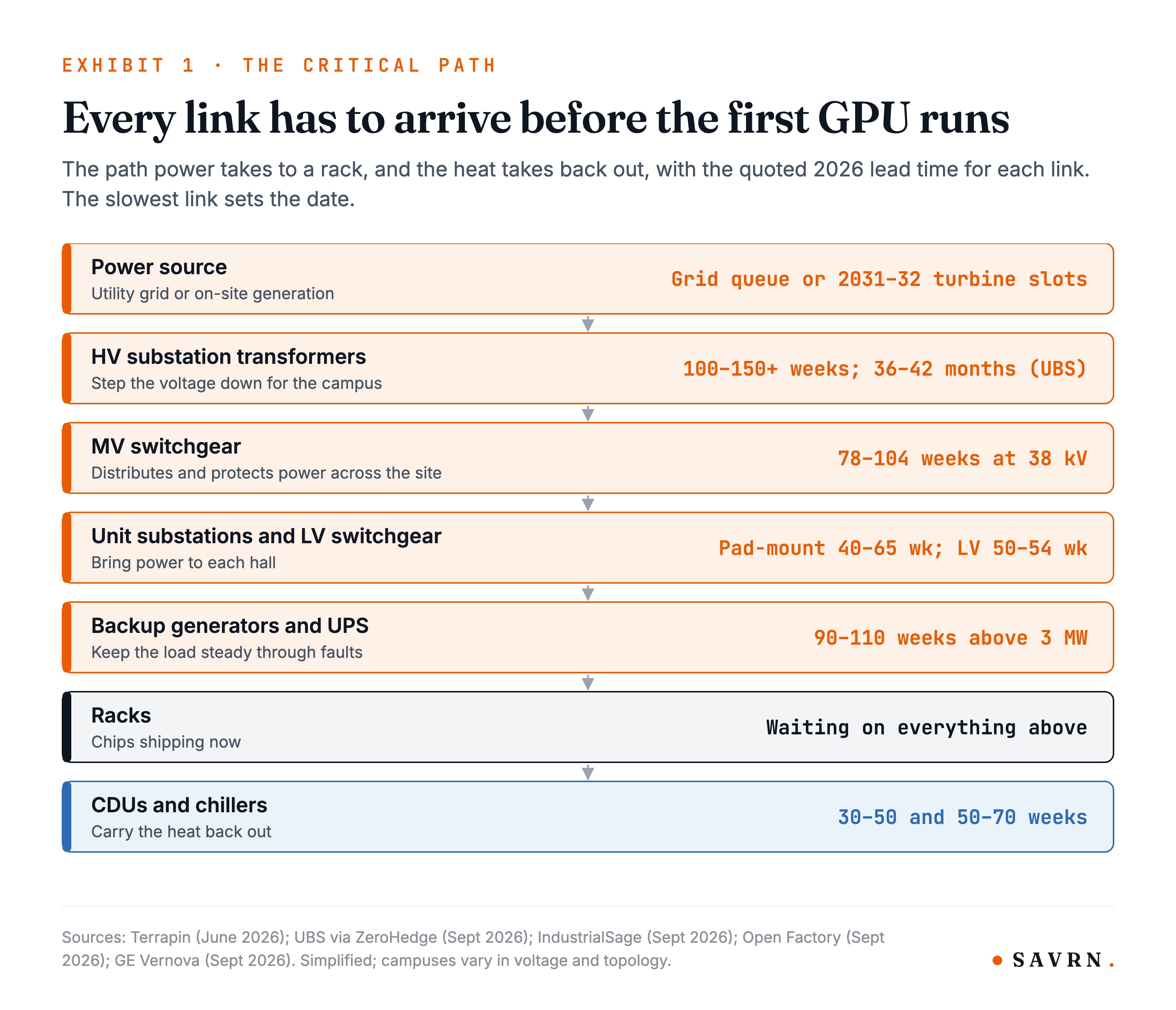
Power arrives either from the grid or from on-site generation. From the grid, it passes through a high-voltage substation, where large power transformers step it down, then through medium-voltage switchgear that distributes and protects it across the campus. Unit substations and low-voltage switchgear bring it to the halls, uninterruptible power and backup generators keep it steady, and busway carries it to the racks. The heat that comes out of the racks leaves through coolant distribution units and chillers. Each of those items is made by a small number of manufacturers, and in 2026 each has its own queue.
Transformers: the longest line
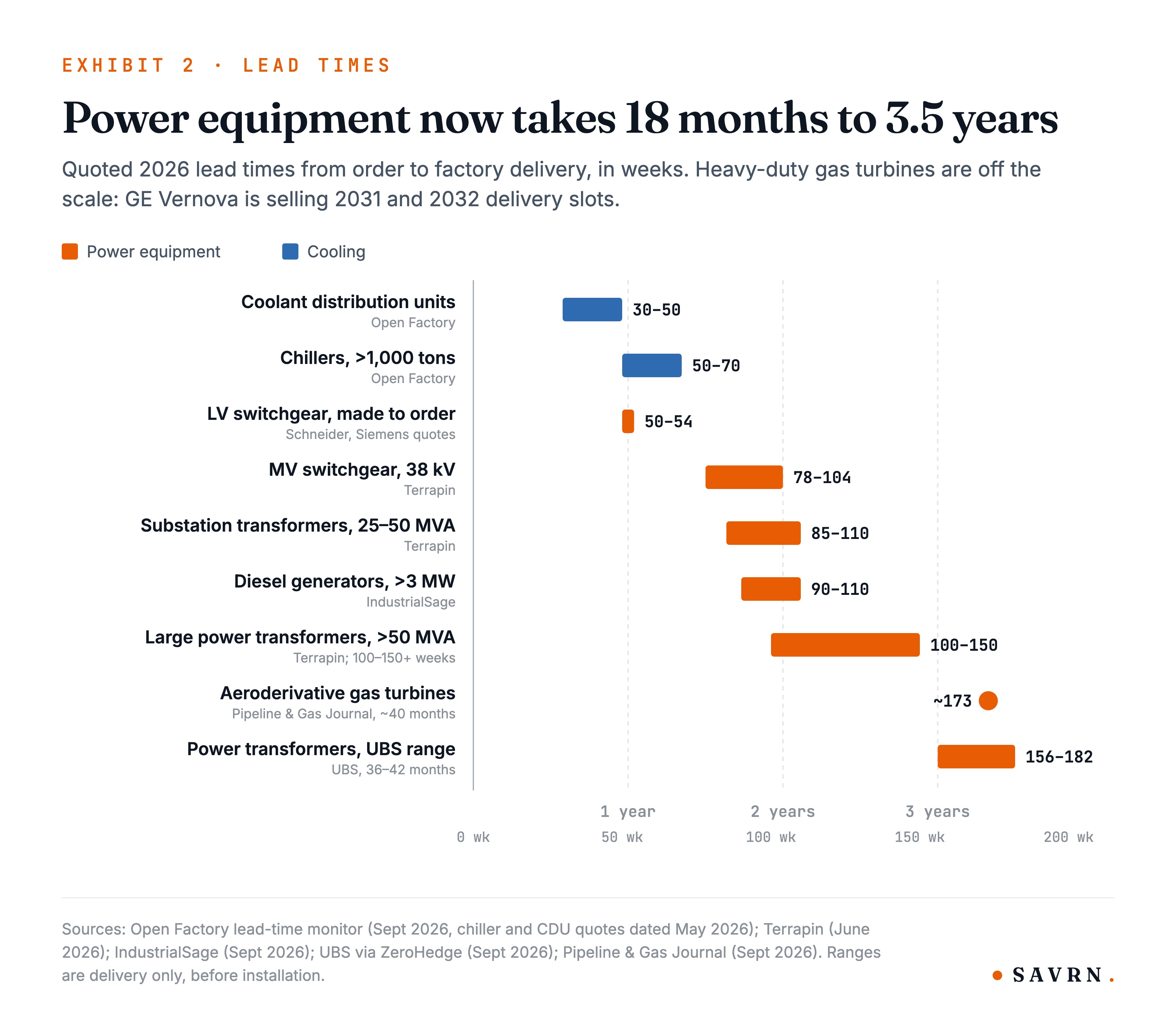
Large power transformers above 50 MVA run 100 to 150-plus weeks, custom units three to five years, and generator step-up units more than 160 weeks, against a 143-week average in 2024 (Terrapin; Reuters). UBS puts power transformers at 36 to 42 months (UBS via ZeroHedge). Substation transformers of 25 to 50 MVA, the size many campuses need, run 85 to 110 weeks (Terrapin).
The reasons are structural. Wood Mackenzie assessed a 30% supply deficit in power transformers in 2025 and estimates a 15% market shortage in 2026 (Wood Mackenzie), with demand up 116% since 2019 and generator step-up demand up 274%. Unit costs have risen 77% for power transformers and 45% for step-up units (Wood Mackenzie). Roughly 80% of US power transformer supply is imported, and the key input, grain-oriented electrical steel, has a single domestic producer, Cleveland-Cliffs (Wood Mackenzie; IndustrialSage). That producer is now also committed to a $400 million, five-year defense contract for up to 53,000 tons of the same steel (SteelOrbis).
The shortage now reaches the parts inside the transformer. Trench Group, which makes high-voltage bushings, reports lead times of up to two years and a backlog of about twice its annual revenue. Its chief executive said delivery timing has become “the biggest risk to whether a campus comes online on schedule” (TechTimes).
Prices kept climbing through the summer. The producer price index for transformer manufacturing rose 4.0% in July alone and stood 7.8% above its year-earlier level in August (FRED). And on August 26, Executive Order 14421 restricted bulk-power equipment such as substation transformers, instrument transformers and high-voltage breakers from designated foreign sources (Federal Register). Wood Mackenzie estimates the order affects more than $22 billion of imports and says the impact falls mostly on data centers that had been using Chinese units to shorten waits, because “the 100 MVA+ segment is where the shortage is already most acute” (Wood Mackenzie).
New capacity is on the way. Hitachi Energy announced a $528 million plant in Gallman, Mississippi that will more than double its US small and medium transformer output when production begins in 2029 (Utility Dive). HD Hyundai Electric is building a $200 million Alabama plant due in April 2027 (T&D World), and Hyosung booked about $287 million of ultra-high-voltage transformer orders directly from two US technology companies for AI data centers in September (Evertiq). All of it arrives in 2027 or later.
Switchgear: allocated by the slot
Medium-voltage switchgear runs 52 to 80 weeks in the 15 kV class and 78 to 104 weeks at 38 kV (Terrapin). Data center specification units are “approaching 2 to 3 years” at the busiest manufacturers, with standard commercial orders competing for whatever slots remain after data center allocations are filled (Electronate). Low-voltage gear got longer in September: Schneider Electric’s made-to-order LV switchgear is now quoted at 50 weeks and Siemens’ at 54 (Open Factory; Vawn).
Allocation now has rules. A 10 to 20% deposit is standard to hold a switchgear production slot, specification changes can generally be absorbed only until a manufacturing freeze four to eight weeks into the lead time, and tier-2 manufacturers can offer 20 to 30% shorter lead times for brand-flexible low-voltage scope (Electronate). Some buyers have gone further and reserved factory lines outright. Schneider Electric signed a $373 million supply capacity agreement with Digital Realty that includes a dedicated switchgear production line (Data Center Frontier).
The priority given to data centers is pushing other industries back. One manufacturer turned down an $800 million switchgear order from a long-standing mining customer because of data center commitments (TechTimes). Order books show why. Powell Industries booked $934 million of orders in its fiscal third quarter, up 158%, at a 3.0 book-to-bill (Powell Industries), and ABB’s electrification backlog rose 59% to $13.68 billion (ABB). Switchgear producer prices were 13.3% higher in August than a year earlier (FRED).
Generators and engines: sold into 2028 and 2029
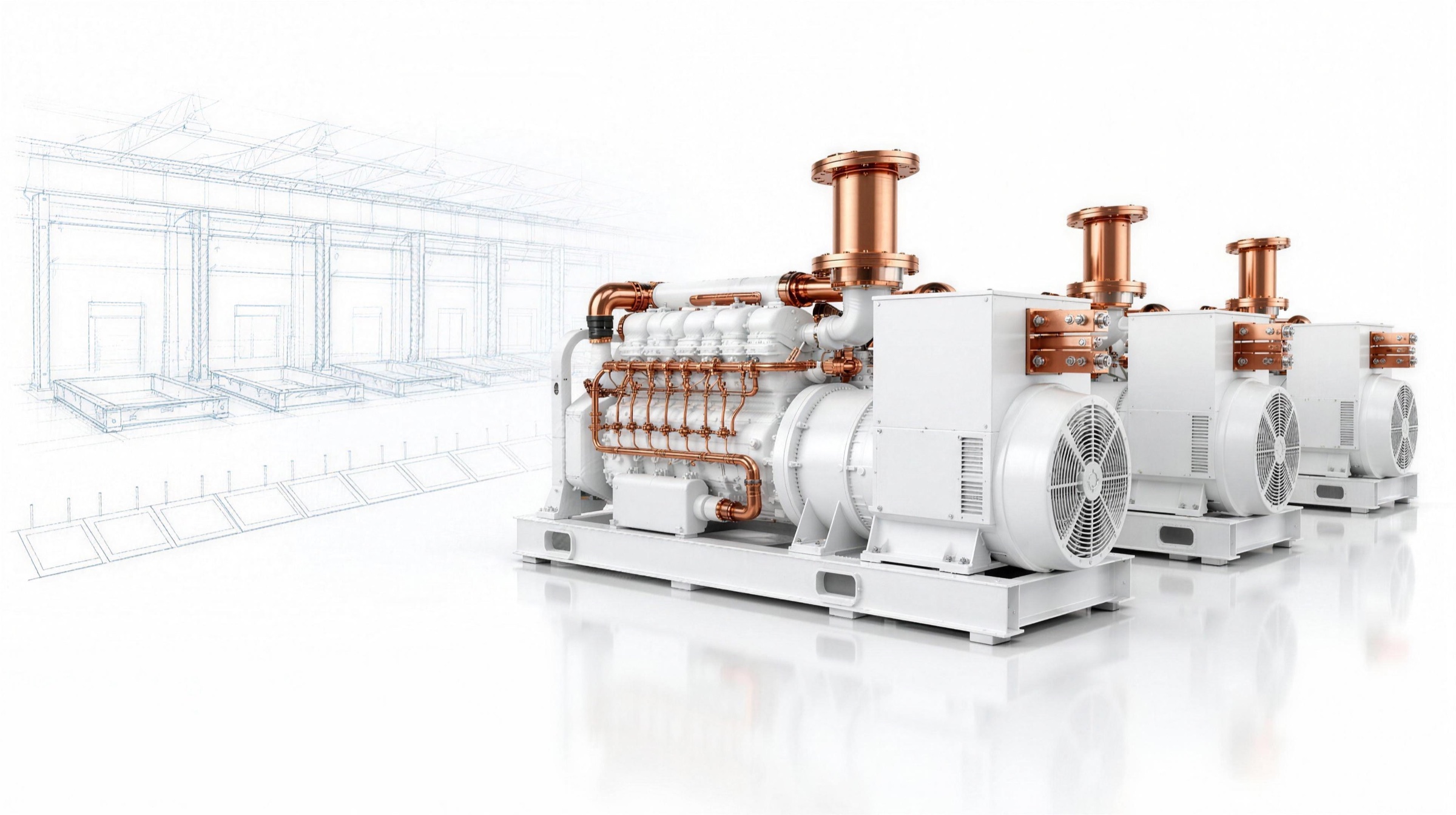
Backup generators scale their lead times with size. Terrapin puts 1.5 to 2 MW diesel units at 50 to 66 weeks and 2.5 to 3.5 MW units at 62 to 82 weeks (Terrapin). Units above 3 MW take 90 to 110 weeks, against about 20 weeks historically (IndustrialSage), and Linesight puts Americas generator lead times at about 110 weeks in 2026, up from 60 to 70 weeks in 2024 (Linesight). Cummins’ call summary puts large diesel gensets in the second half of 2028 (Motley Fool).
Prime-power gas engines, the workhorse of behind-the-meter campuses, are further out. Caterpillar’s chief executive said turbine deliveries now run “towards the back half of 2028 and into 2029,” with gas prime power “a little bit farther” and some customers ordering as far out as 2030 (Caterpillar). Caterpillar’s backlog grew $9 billion in the quarter to a record $72.1 billion (Caterpillar 10-Q). A 790 MW Wärtsilä order for a Texas data center delivers in 2028, and a separate Wärtsilä order from Liberty Energy does not begin delivering until 2029 (Yahoo Finance; Wärtsilä). INNIO’s equipment backlog rose 279% to $6.6 billion, which it says gives visibility “at least into 2030” (INNIO).
The largest buyers are locking in supply years ahead. On September 16, Generac and Amazon signed an agreement for $2.4 billion of backup generator deliveries in 2027 and 2028, with purchases that could reach $8 billion (Generac 8-K). Pricing has followed demand: installed large-bore diesel gensets run $450 to $600 per kW against roughly $380 to $420 in 2023 (Datacentres.com).
Generator fleets also carry permitting risk once they arrive. Virginia fined Microsoft nearly $2.5 million after a substation failure forced a Leesburg site to run 62 emergency engines for seven days (CBS News), and New Jersey assessed a $1.07 million penalty against a Vineland operator running 62 unpermitted natural-gas engines (Insurance Journal).
Turbines: the 2032 queue
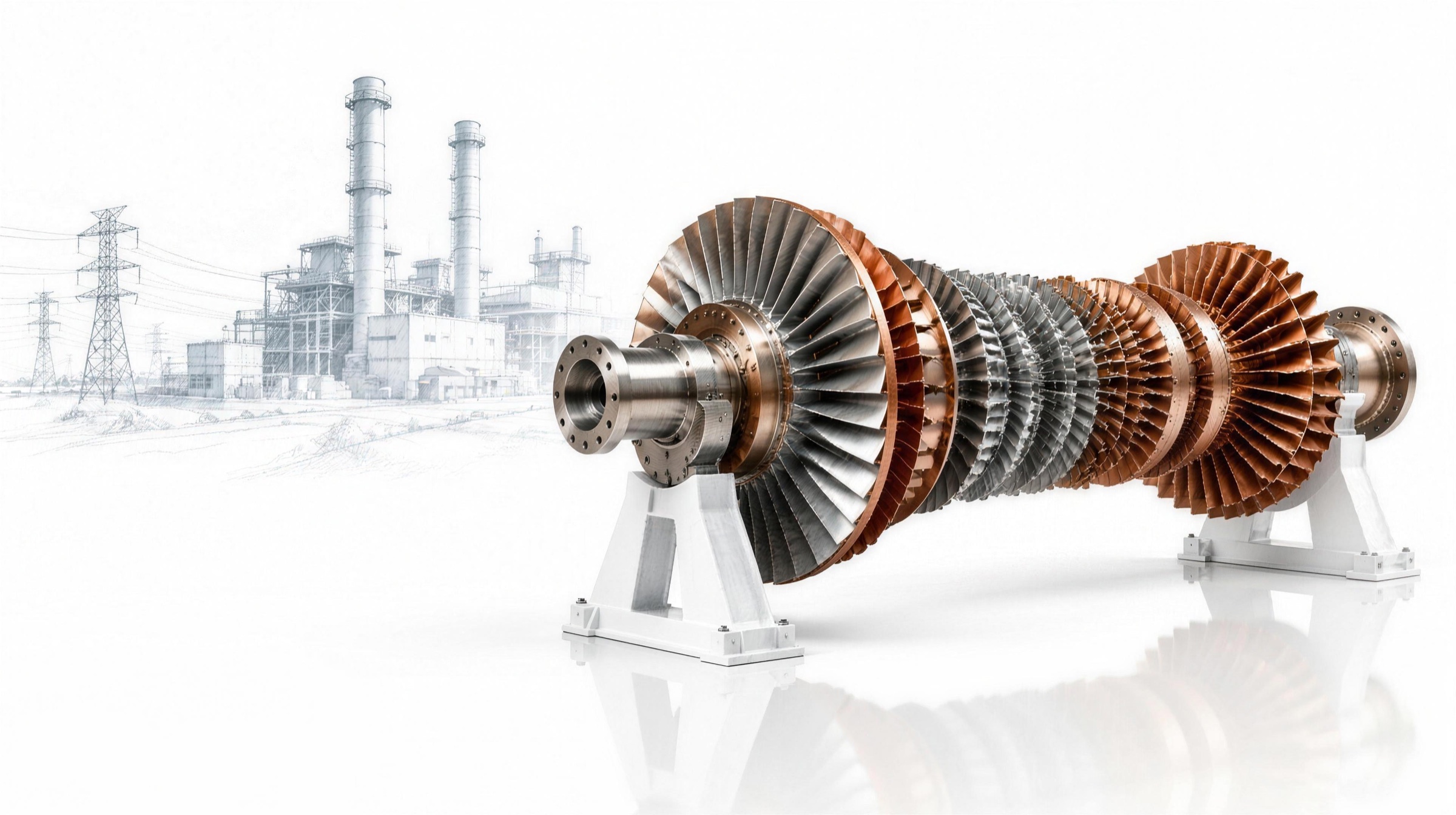
Heavy-duty gas turbines are the tightest item in the report. GE Vernova describes itself as mostly sold out through 2030, has sold 2032 delivery slots, and priced first-half 2026 orders more than 20% above late-2025 levels (Webull transcript; Yahoo Finance). Its gas backlog and slot reservations reached 116 GW. At a 20 GW-a-year production rate, that is roughly 5.8 years of output (Verdantix). Siemens Energy has 95 GW committed and quotes lead times of three years or more, and Mitsubishi’s large-frame backlog reached 35 GW, up from 23 GW a year earlier (POWER Magazine; Utility Dive; Utility Dive).
Smaller machines are only somewhat faster. Large combined-cycle plants take up to six years, aeroderivatives about 40 months, and small and medium frame units within two years (Pipeline & Gas Journal). Solar Turbines is delivering late 2028 into 2029 (Caterpillar), and Baker Hughes will not open meaningful new NovaLT slots until late 2028 (Investing.com). Installation adds time on top: heavy-duty units need roughly 18 months of site work after shipment (POWER Magazine).
Buyers are experimenting, with mixed results. Crusoe cancelled a $1.25 billion order for 29 turbines from new entrant Boom Supersonic, saying it still plans to use turbines, “just not Boom’s” (TechCrunch). Applied Digital turned to older technology, ordering 1.2 GW of steam turbines fed by gas-fired boilers, and its chief executive said new gas-turbine orders might not ship until 2032 (EnergiesMedia). Costs have risen with the queue: Enverus estimates newbuild gas plants at about $2.0 million per MW, against $0.9 million for plants online before 2023 (Enverus).
Cooling: the shortest wait, still close to a year
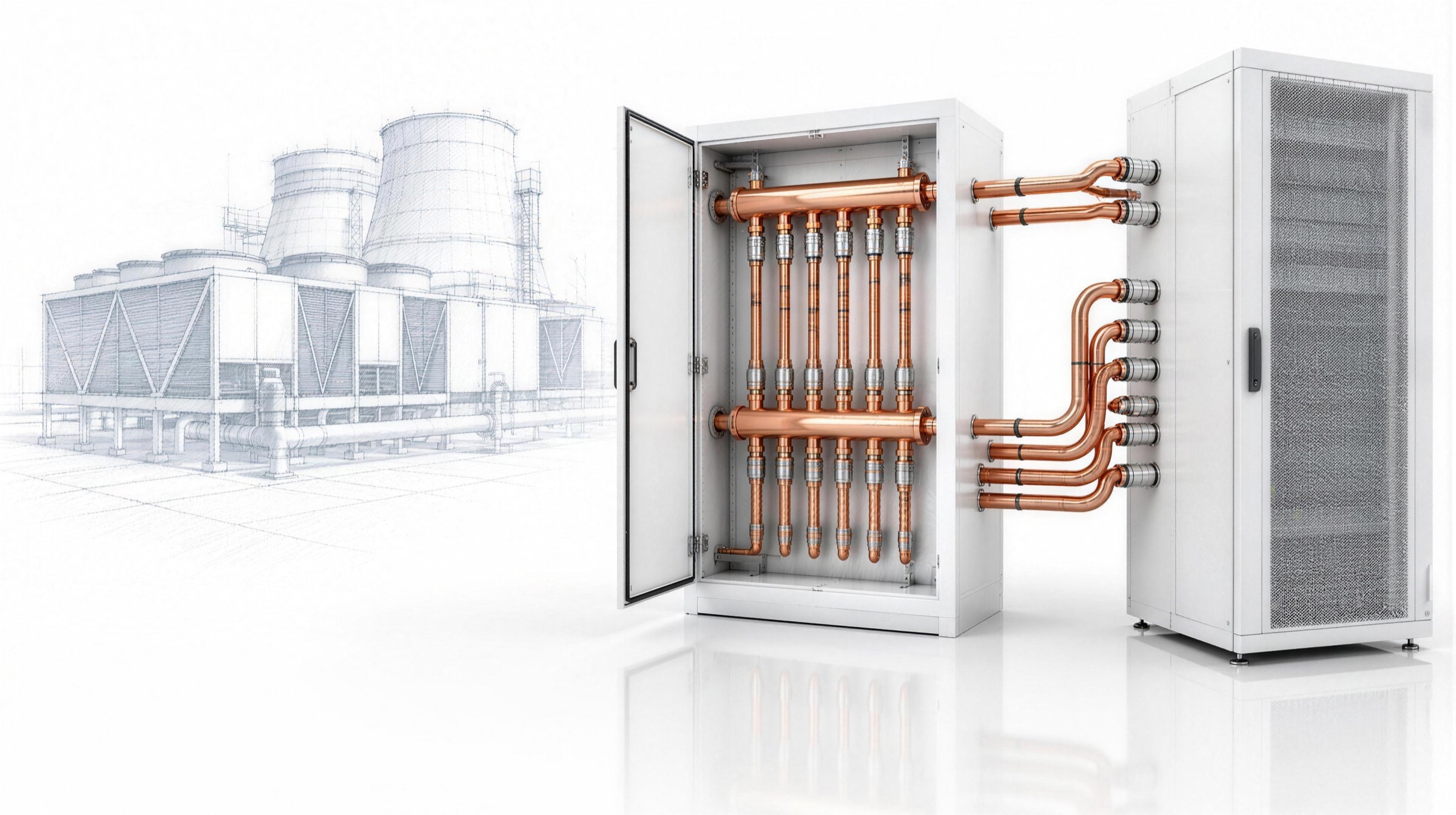
Chillers above 1,000 tons are quoted at 50 to 70 weeks and coolant distribution units at 30 to 50 weeks (Open Factory). Chiller vendors are “running at allocation” (SourceBySpec), and liquid-cooling suppliers report orders booked through year-end on two-shift production, with CDUs described as “the tightest link in the liquid cooling supply chain” (Cailianshe via Futu News).
Rack density is driving it. Rubin-generation GPUs draw up to 2,300 W and racks approach 225 kW, fully liquid-cooled (Cailianshe via Futu News). TrendForce expects liquid cooling to reach 53% of AI chips in 2026, up from 33% in 2025 (TrendForce). The components are short too: quick disconnects and manifolds run 18 to 24 weeks and brazed-plate heat exchangers 30 to 38 weeks (SourceBySpec), and one analyst estimates that 3M’s exit from fluorinated fluids removed about 70% of global high-end supply (Cailianshe via Futu News).
The order books of the big HVAC manufacturers show the same surge. Trane’s backlog rose 70% to a record $12.1 billion (Trane), Carrier’s data center orders rose more than 300% (Carrier), and Modine signed a single agreement to supply more than $4 billion of cooling products to one customer over 2027 to 2029 (Refindustry). The constraint is shifting from factory space to components: Modine’s data center margin fell 960 basis points on “production inefficiencies due to supply chain constraints” (Modine).
What changed since our August edition
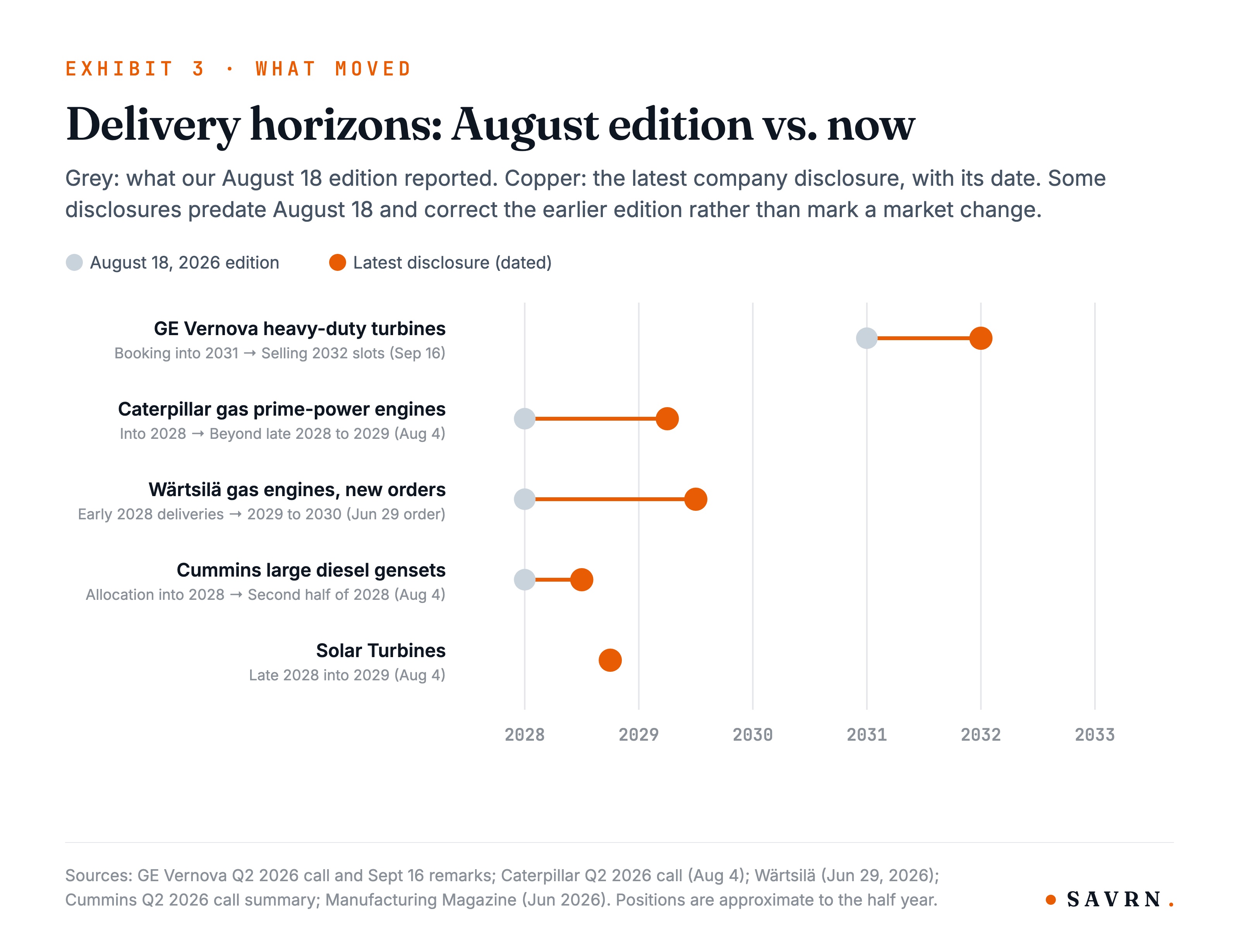
We compared every category with our August 18 edition. The headline ranges for transformers, medium-voltage switchgear and chillers did not move, but the trackers behind them have not published new editions since May or June, so that is not evidence that lead times held steady. The clearer signals are in company disclosures. Some were published after August 18, such as GE Vernova’s 2032 slots (September 16) and Schneider’s longer LV quote (September 2). Others were published earlier but were not in our August edition, such as Caterpillar’s and Cummins’ August 4 calls, and we show them with their dates.
| Equipment | August 18, 2026 | Latest disclosure (source date) |
|---|---|---|
| Heavy-duty gas turbines | GE Vernova booking into 2031 | Mostly sold out through 2030 (Jul 22); selling 2032 slots (Sep 16); first-half prices up more than 20% |
| Gas engines, prime power | Allocated into 2028 | Caterpillar turbines late 2028 into 2029, gas prime a little farther (Aug 4); a Wärtsilä order delivering 2029 to 2030 (Jun 29) |
| Diesel generators above 3 MW | 90 to 110 weeks | Same range; Cummins quoting second half of 2028 (Aug 4) |
| LV switchgear | 24 to 52 weeks | 50 weeks at Schneider (Sep 2), 54 at Siemens (Aug 13) |
| Transformer and switchgear prices | Not tracked | Producer prices up 7.8% and 13.3% year over year (August data) |
| HV transformer bushings | Not tracked | Up to two years (Sep 23) |
| Chillers and CDUs | 40 to 60 weeks; 26 to 52 weeks | Same quotes (May); vendors running at allocation (July) |
New factories are coming. Hitachi Energy, HD Hyundai, Eaton, Siemens, Cummins and INNIO all announced US capacity in recent months (Utility Dive; T&D World; Plant Services; BIC Magazine). Most of that output arrives between 2027 and 2029, so it relieves projects that have not been planned yet, not the ones under way.
What an order placed today delivers
To make the lead times concrete, we applied them to an order placed on October 1, 2026. The dates below are our arithmetic from the published ranges, and they are factory delivery only. Installation, integration and commissioning come after.
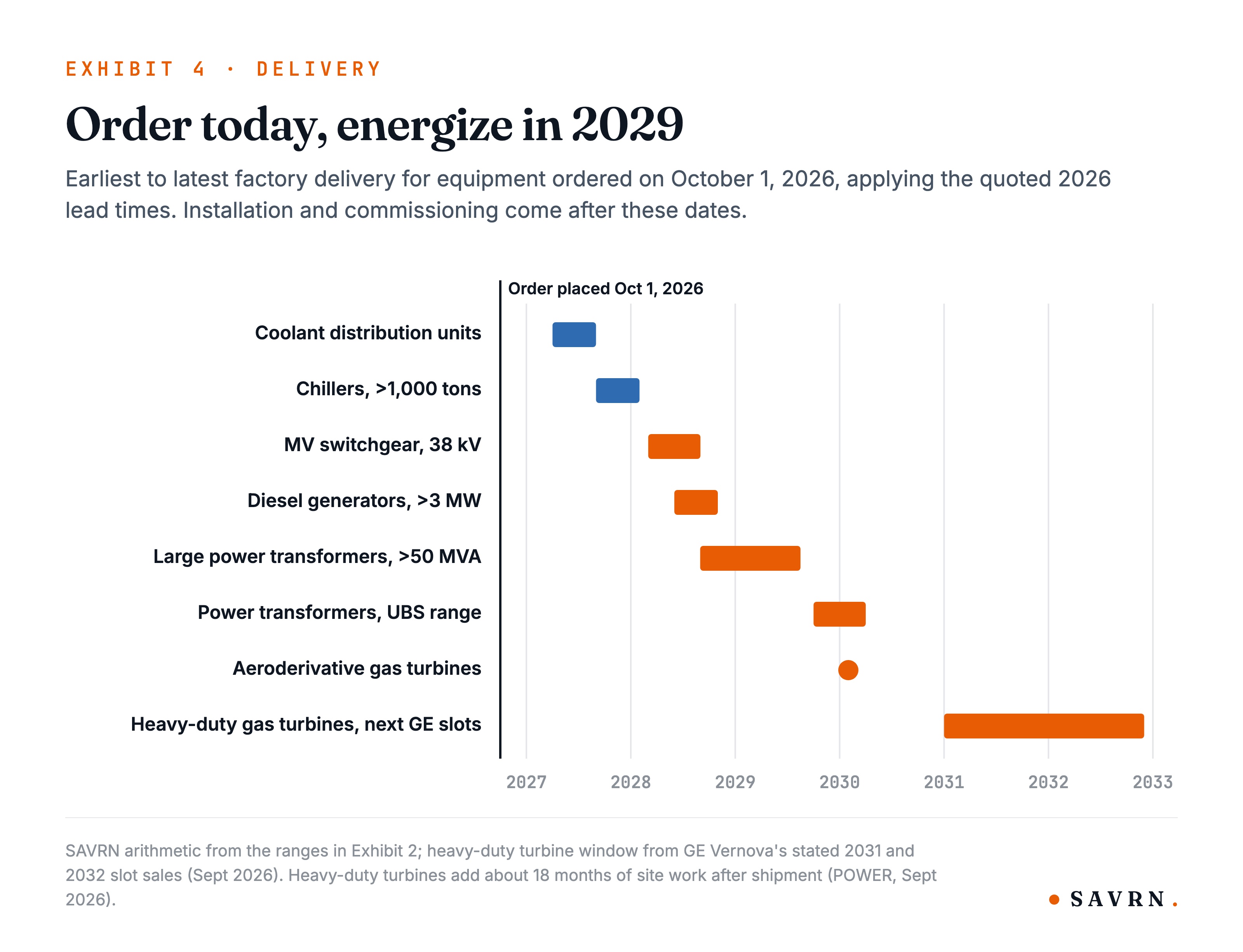
The pattern is plain. Cooling arrives in 2027. Medium-voltage switchgear and large generators arrive through 2028. Large transformers land between late 2028 and 2030, and heavy-duty turbines in 2031 or 2032. Field reporting reached the same conclusion from the other direction: a transformer ordered in 2026 may not arrive until late 2028 at the earliest, and lead times are unlikely to contract significantly before 2028 or 2029 (TechTimes).
Holding a place in line also costs money before construction starts. A 10 to 20% deposit secures a switchgear slot (Electronate), and a 20% reservation payment holds a heavy-duty turbine slot, where a single 384 MW unit is estimated at about $300 million (Open Factory). Those payments are made against a site, a permit and a financing plan that may still change.
So a project that plans to energize in 2028 needed its long-lead power equipment on order by now. One that starts procurement today is realistically looking at 2029, and later if it depends on a new utility substation or a heavy-duty turbine.
What a late project costs
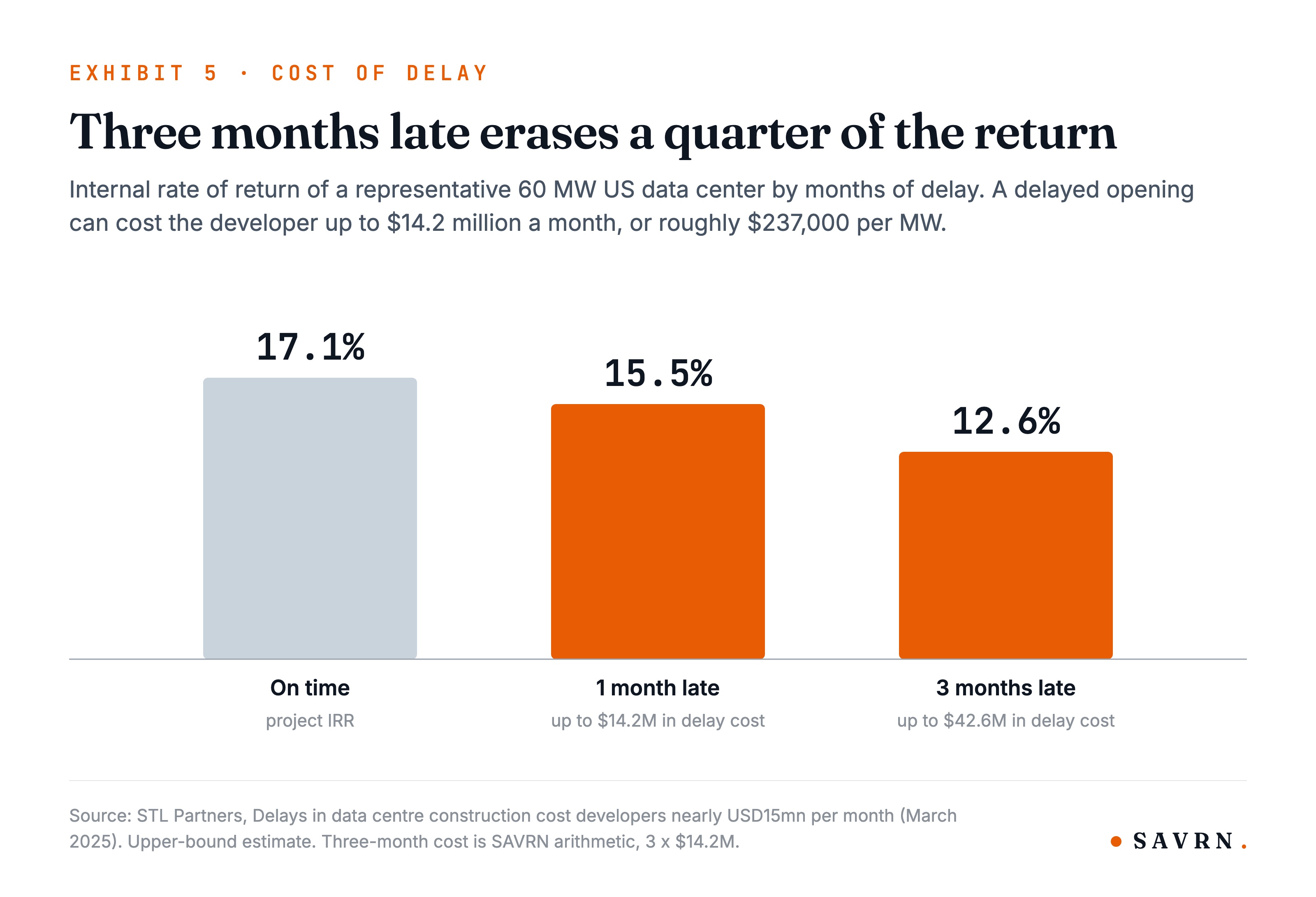
STL Partners modeled a typical 60 MW US data center and found a delayed opening can cost the developer up to $14.2 million a month. The project’s internal rate of return falls from 17.1% on time to 15.5% after one month and 12.6% after three (STL Partners). That works out to up to about $237,000 per megawatt for every month of delay, and a three-month slip removes more than a quarter of the project’s return.
Idle capital makes it worse. Fully outfitted US data centers average about $13.3 million per megawatt, and two finished Santa Clara buildings have stood empty waiting on a utility upgrade that is not scheduled to finish until 2028 (Los Angeles Times).
The largest current example is Oracle’s Project Jupiter in New Mexico. The campus is planned around 2.45 GW of on-site Bloom Energy fuel cells, and its developers had committed to a first phase by the end of 2026 and full completion in the third quarter of 2028. The gas pipeline that feeds it has slipped to February 2027, its air permit has not been issued, and Oracle has sent a force majeure notice that could let it defer rent for up to three years if power is not ready. Oracle says such notices are “commonplace in developments of this scale” (El Paso Matters). About $18 billion of related bank loans were quoted at 89 to 91 cents on the dollar in mid-September (Reuters).
Jupiter matters for a second reason. It shows that on-site power moves a project out of one queue and into others. A fuel-cell or engine plant avoids the utility interconnection line, but it still needs a gas pipeline, air permits and its own electrical gear.
Permits and money are now gates too
Two constraints arrived in the third quarter that ordering earlier cannot solve.
The first is permission. Texas paused new data center grid approvals on August 3 and ordered a halt to all state data center permits on September 21, pending an ERCOT audit expected in December (DLA Piper). BloombergNEF estimates nearly 50 GW of proposed capacity, almost 20% of the US pipeline, is at risk (CNBC). New York paused state permits for large sites in July, Loudoun County, Virginia paused new applications for a year on September 15 (Baxtel), Prince William County ended by-right data center development (CBS News), and Chicago’s mayor proposed a 12-month moratorium (City of Chicago). One tracker counts 399 local moratoriums, 321 of them active, across 44 states (Interconnected Capital), and Data Center Watch counted at least 45 projects worth $68 billion disrupted by local opposition in the second quarter alone (Data Center Watch). A freeze removes capacity no matter how much equipment is already on order.
The second is the cost of money. The 10-year Treasury yield reached about 5.17%, the highest since 2007 (CNBC), and lenders now price projects by who the tenant is.
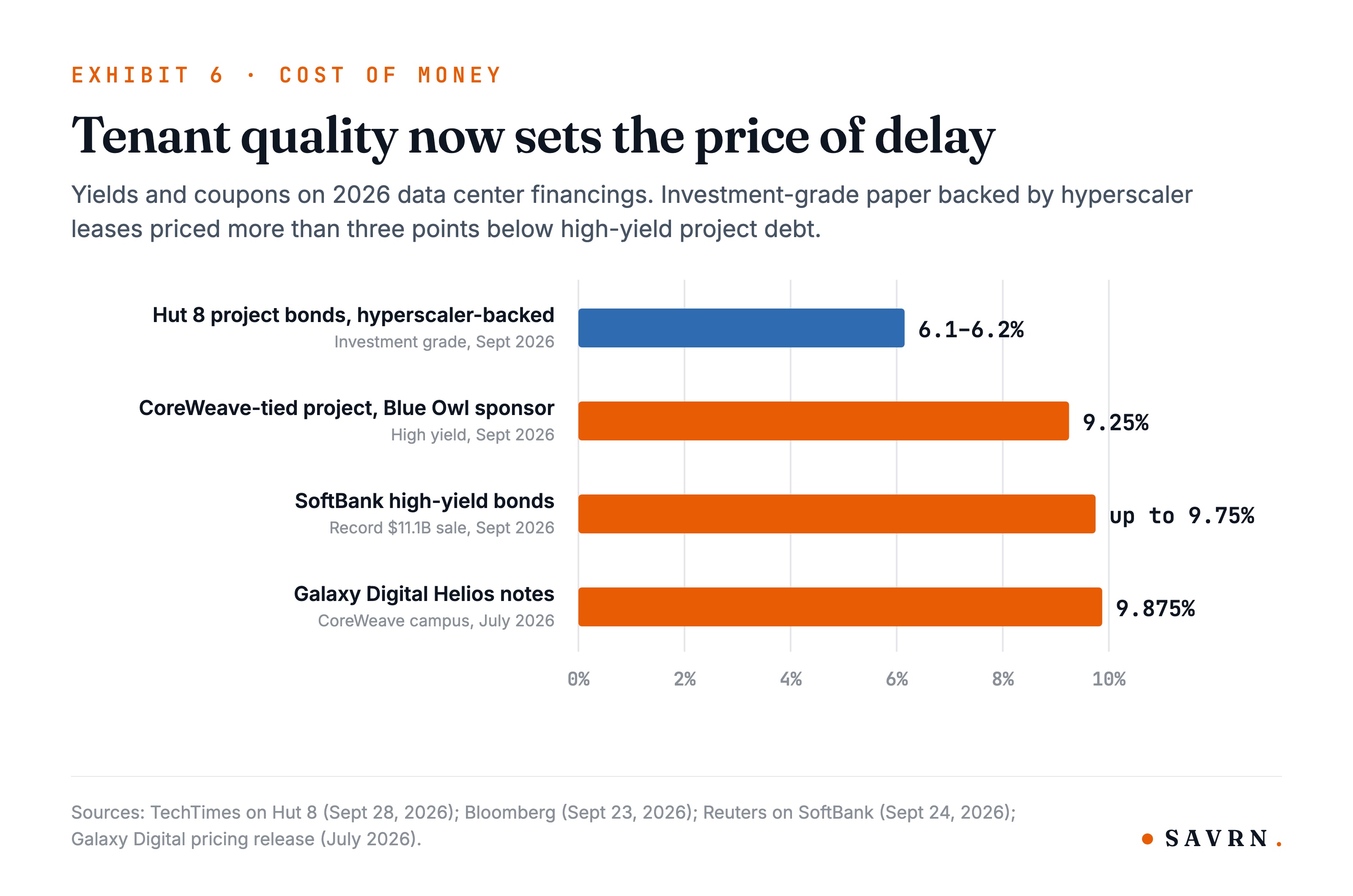
Investment-grade project bonds backed by hyperscaler leases priced at 6.1 to 6.2% (TechTimes). A CoreWeave-tied project paid 9.25% (Bloomberg), Galaxy Digital priced notes for its CoreWeave campus at 9.875% (Galaxy Digital), and SoftBank paid up to 9.75% on a record $11.1 billion high-yield sale (Reuters). Every month of delay now carries a financing cost as well as a lost-revenue cost, and the gap between tiers is more than three percentage points.
What this means for delivery in 2027 and 2028
The projects that will deliver on schedule are the ones that already hold their equipment. SemiAnalysis found that the 2026 projects still progressing are the ones with site control, equipment on order and interconnection agreements signed, and that most cancellations happen at the earliest stages of development. It also reports that hyperscalers now lock in transformers, switchgear and other long-lead items well ahead of vertical construction (SemiAnalysis).
For everyone else, four things follow.
Announced dates are not delivery dates. A 2027 or 2028 energization date without long-lead power equipment on order is at risk, whatever the press release says. The equipment table above is the better predictor.
Capacity will come online in the order equipment and permits arrive, not the order projects were announced. Sites with secured transformers, switchgear and generation will energize first, and some announced campuses will slip a year or more behind them.
Relief is real, but it lands later. New transformer, switchgear, engine and turbine plants mostly add output from 2027 to 2029. BloombergNEF expects announced turbine expansions alone to lift global manufacturing capacity by more than half by 2030, and warns that “today’s scarcity does not rule out oversupply tomorrow” (BNEF). That is good news for projects planned for 2029 and beyond. It does little for projects due in 2027.
Delay now compounds. A late project can lose up to roughly $237,000 per megawatt a month, pay more to borrow if its credit story weakens, and risk opening a GPU generation behind the hardware it was designed for. Nvidia now releases data center processors every year, while site, power and facility work takes 12 to 24 months at minimum (CNBC).
What developers can do now
None of the sources we reviewed expects the queues to shorten before 2028. The practical question is how to hold a place in them. The published record points to six moves.
Treat the long-lead list as the schedule. Start from the transformer, switchgear and generation lead times and work forward, rather than starting from a target date and hoping procurement fits inside it.
Order before the site is final. Specification changes can usually be absorbed until a manufacturing freeze four to eight weeks into the lead time (Electronate), so a standard design lets a slot be held while site details settle.
Reserve capacity, not just units. Supply capacity agreements such as Schneider’s with Digital Realty, Modine’s $4 billion cooling agreement and Generac’s agreement with Amazon show how the largest buyers now secure factory output years ahead (Data Center Frontier; Refindustry; Generac 8-K).
Qualify a second source. Tier-2 manufacturers can deliver brand-flexible low-voltage gear 20 to 30% faster (Electronate), but qualification takes time, so it has to start early.
Confirm origin. After Executive Order 14421, where covered bulk-power equipment is made is a compliance question as well as a scheduling one. The Department of Energy’s implementing rules are due by December 24, 2026 (Foley & Lardner).
Run permits in parallel. A permit freeze can strand equipment that is already paid for, so air permits, water permits and local approvals need to move alongside procurement, not after it.
Where on-site power fits
We are not outside this market. Our fuel cells, batteries, switchgear and cooling come from the same factories and sit in the same queues described above. What on-site generation changes is which queues a campus is in. Making power at the load takes the utility interconnection queue and the high-voltage transmission upgrade off the critical path, and those are often the longest waits of all. It does not remove the need for gas supply, air permits, medium-voltage gear or cooling, as Project Jupiter shows, so those items still have to be secured early.
The full category-by-category data, including every figure and source, is in the updated Data Center Supply Chain Crisis report.
Frequently asked questions
How long does data center equipment take to arrive in 2026? As of September 30, 2026, large power transformers run 100 to 150-plus weeks, 38 kV switchgear 78 to 104 weeks, diesel generators above 3 MW 90 to 110 weeks, gas engines for prime power late 2028 into 2029, heavy-duty gas turbines 2031 to 2032 slots, chillers 40 to 70 weeks and coolant distribution units 30 to 50 weeks.
Did any lead times improve between August and September 2026? We found no updated quote shorter than our August figures. Several lead-time trackers have not published since May or June, so the clearer signals come from company disclosures, and those point to later slots and higher prices.
When will lead times come down? Most new transformer, switchgear, engine and turbine capacity announced in 2026 adds output between 2027 and 2029. Field reporting does not expect significant relief before 2028 or 2029.
What does a data center delay cost? STL Partners estimates up to $14.2 million a month for a typical 60 MW facility, roughly $237,000 per megawatt, with the project’s internal rate of return falling from 17.1% to 12.6% after three months.
Does on-site power avoid the equipment shortage? Partly. On-site generation avoids the utility interconnection queue, but the engines, turbines and fuel-cell systems have their own lead times, and the site still needs gas supply, air permits, switchgear and cooling.
Want the next one?
When a new piece publishes on SAVRN Insights, you get one email with what it covers and a link to read it. Choose the research that interests you.
Also send me
Receive a short introduction on days 3, 7 and 14, plus the updates you select. Unsubscribe in one click. Privacy
What's Really Delaying Data Centers, and for How Long
Get new SAVRN Insights by email
A short introduction on days 3, 7 and 14, plus new SAVRN research articles. Unsubscribe at any time.
We use your address to send the introduction and updates described above. See our Privacy Policy.