AI capacity for research
Connect investigators to the compute, models and tools their projects need.
Search public pages, research tools, and SAVRN solutions.
AI infrastructure for universities
Research capacity. Institutional control. Regional opportunity.
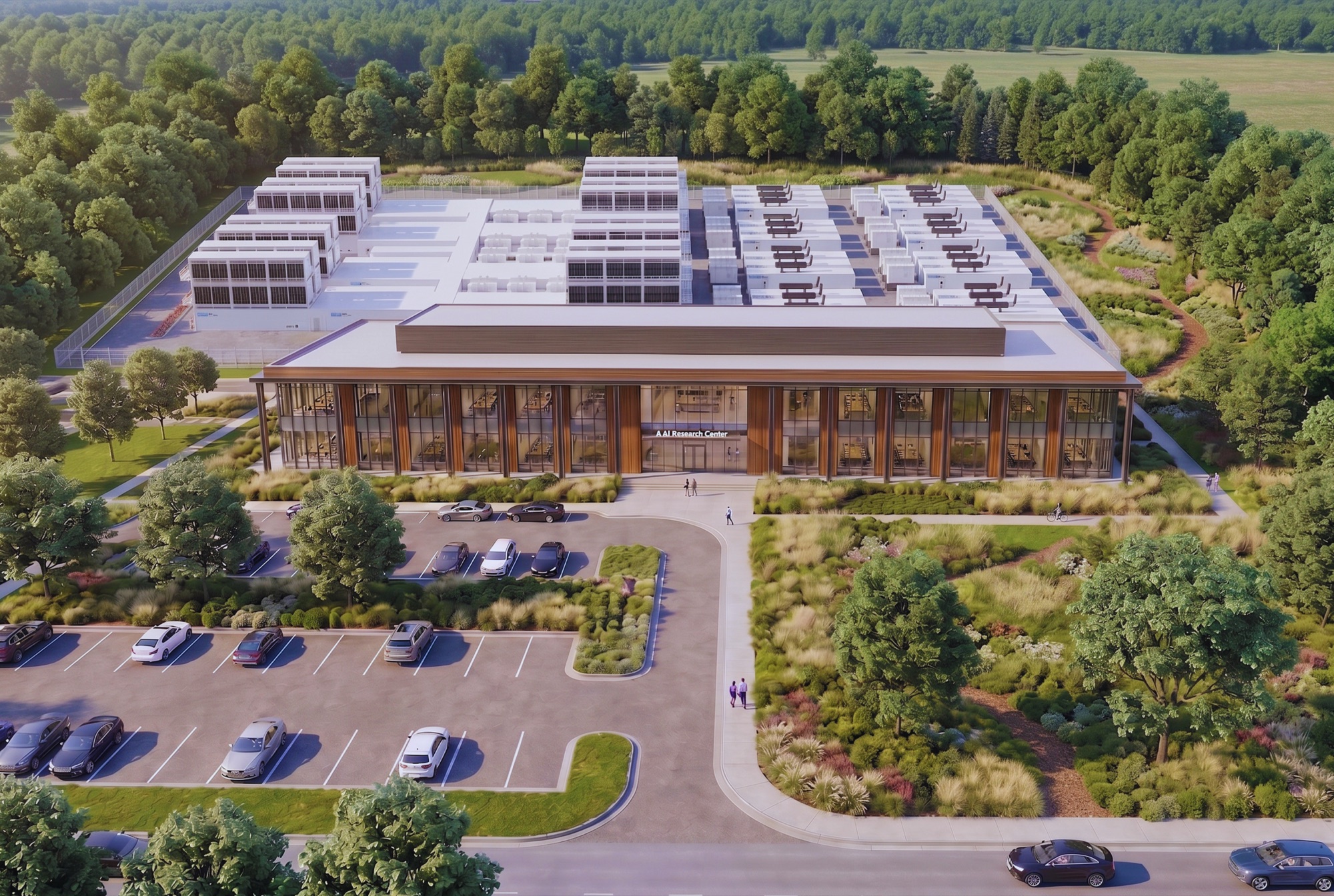
Bring AI research compute, governed software and a skilled workforce into the same university strategy. SAVRN connects the operating platform with self-powered AI infrastructure, water-free cooling and the SAVRN Institute.
Connect investigators to the compute, models and tools their projects need.
Define where data can go, who can use it and how results are reviewed.
Connect technical education to the people and systems that run an AI campus.
The university research work center
Give investigators a clear route from a research request to a result their team can review. Connect the question, permitted data, approved tools and human decisions in the same workflow.
Illustrative research workflow
A faculty team prepares a cited brief for a research proposal.
A faculty team needs a cited research brief for a proposal. Define the question, permitted sources, data restrictions and deliverable before assigning tools or compute.
Route the research through approved models and tools. Keep project permissions and data boundaries attached to the work, with human review before publication or external action.
Review the draft alongside its sources, execution record and approval history. The investigator can assess the result and decide what is ready to use in the proposal.
Explore the supporting research, sources and methods as you define your institution’s infrastructure requirements.
University AI infrastructure
Match compute capacity to research demand, plan the power and cooling behind it, and develop the people who will operate it. SAVRN brings these decisions into one university campus model.
Capacity aligned with research
Give research teams a path to GPU capacity, model serving, storage and networks sized for their work. Place each workload where its data and operating requirements allow.
Energy planned with the campus
Plan the energy supply alongside research compute demand. Connect on-site generation, storage and redundancy with the university’s facilities and utility requirements.
Cooling designed for local conditions
Design heat removal for AI workloads without relying on evaporative cooling. Pair closed-loop, direct-to-chip cooling with dry heat rejection and a site-specific water assessment.
People, approvals & evidence
Give investigators a structured path from a research request to a reviewable result. Connect projects, data permissions, approved tools and deliverables in the SAVRN platform.
The SAVRN Institute
Build the operating workforce into the campus plan. The SAVRN Institute connects technical education with electrical, cooling, network, security and AI-compute systems.
The university and its region
Connect the university’s research mission with local learning and technical career pathways. Bring the AI factory, training institute and community learning center into one campus model.
Software and campus development
Your next step may be a governed workflow on existing infrastructure or a new campus plan. Start with the research need and connect the right software, systems and education partners.
For research teams & university IT
Start with the software and operating model. Explore how investigators, approved models, data boundaries and reviewed deliverables fit into your institution’s research environment.
For university leaders & regional partners
Start with a coordinated campus plan. Connect research compute, on-site power, water-free cooling, operating teams and the Institute to your university’s long-term research and education priorities.
A practical university planning conversation
Bring a research use case, your current compute environment and the decisions ahead. Discuss the software, infrastructure and staffing you need, with grant and procurement timing reflected in the next steps.
University campus questions
No. The right placement depends on the workload, data class, latency, governance, and economics. A governed architecture can combine local and external capacity while making those boundaries explicit.
It connects research demand to governed execution, produces auditable artifacts, and creates a training path for the technical staff who operate the facility and its AI workloads.
The SAVRN Institute is part of the campus plan alongside the AI factory and community learning center. Its curriculum connects to the power, cooling, networks, security, operations, and compute systems that the university and its partners need people to operate.
Start with research demand, data governance, power supply, cooling water demand, network paths, staffing, procurement, and grant timing. The plan should distinguish what is designed, contracted, and operating from what remains conditional, and identify the evidence needed before each commitment.
No. Academic authorization, accreditation, certifications, and funding eligibility remain subject to the responsible institutions and agencies. SAVRN describes the infrastructure and program model.