Small modular reactor | Data Center Power
A look at how new small modular reactors are enabling more reliable, firm power for data centers and infrastructure investors.

Small modular reactor data center power is entering a new phase in the United States. On October 1, 2026, the U.S. Nuclear Regulatory Commission issued a construction permit for Tennessee Valley Authority’s Clinch River Unit 1. TVA became the first utility authorized to build a GE Vernova Hitachi Nuclear Energy BWRX-300 small modular reactor in the U.S. as a result. The BWRX-300 reactor will produce 300 megawatts of firm nuclear power. Furthermore, the Clinch River site can accommodate up to four small reactors. Notably, the NRC completed its evaluation of the TVA project five months ahead of schedule. This efficiency may help meet rising electricity demand from data centers and artificial intelligence workloads. TVA is also negotiating cost-sharing plans to avoid passing costs to customers. These negotiations come while the company works toward its target operation date around 2032. Ultimately, this development could strengthen the role of nuclear power in supporting growing digital infrastructure needs.
Why nuclear-backed firm power matters now
Data centers are driving a surge in electricity demand. Artificial intelligence workloads are projected to increase U.S. power needs more than thirtyfold by 2035, potentially reaching up to 123 gigawatts. 10 As a result, utilities and developers are facing severe grid capacity constraints. For example, the FERC rejected a complaint from Oklo seeking to reinstate a 750-megawatt project in PJM’s interconnection study cycle, which could delay the project by at least 18 months. 4 Consequently, many regions are imposing delays and moratoria on new data center construction due to insufficient transmission and distribution capacity. 10
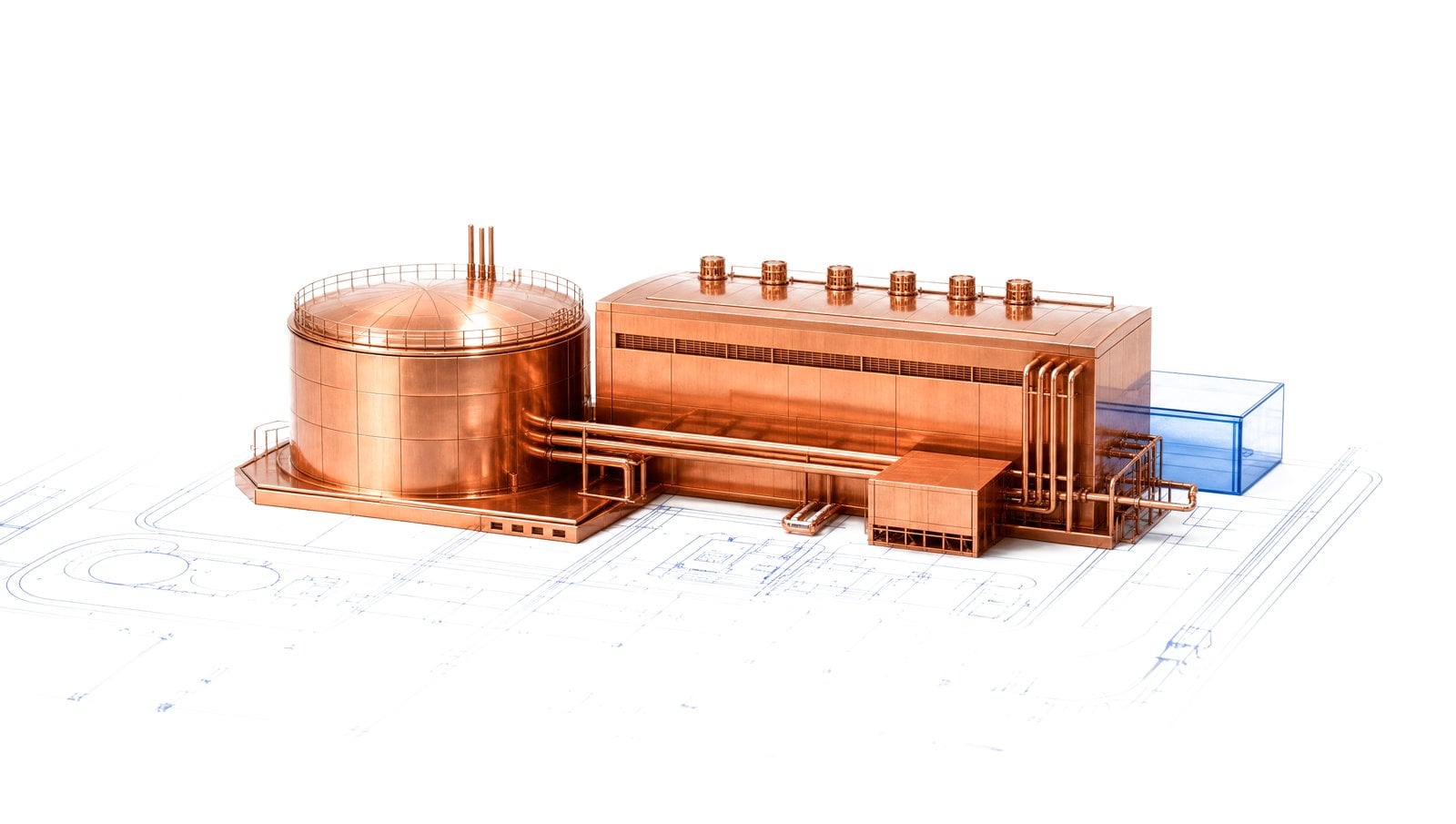
Nuclear Energy’s Firm Power Advantage
Nuclear energy is uniquely positioned to provide firm power at high capacity factors. That reliability stands in contrast to variable wind and solar resources and gas plants subject to fuel price volatility and emissions constraints. In addition, the U.S. government has set a policy goal to quadruple the country’s commercial nuclear reactor fleet by 2050. 2
Regulatory and Infrastructure Challenges
However, nuclear expansion faces regulatory and infrastructure hurdles. The Nuclear Regulatory Commission proposed a comprehensive rule update that includes reducing reporting requirements for nonemergency events, eliminating expiration dates for standard design approvals, and increasing staffing flexibility in reactor control rooms. 2 Since the NRC has initiated multiple significant rulemakings since May 2026, these reflect a high volume of regulatory activity. 2 Meanwhile, the agency has also recognized the need to improve its workforce assessment, as stated in a U.S. Government Accountability Office report from September 28, 2026. 3 Furthermore, site selection for new nuclear projects must address constraints such as cooling and land use. For instance, developers like Blue Energy have filed the first part of a construction permit application for a gas-to-nuclear project in Texas. 5, 10
Near-Term Capacity Solutions
Near-term solutions include nuclear uprates at existing plants. Google has agreed to support uprates at Georgia Power’s Hatch and Vogtle plants, adding approximately 96 megawatts of new capacity. 7 Additionally, restarting idle reactors is underway, such as the U.S. Department of Energy’s plan to provide up to $1.9 billion to help restart Iowa’s Duane Arnold Energy Center, a 615-megawatt facility. 8 These actions can add firm capacity more quickly than building entirely new reactors.
Planning for the Future
Given the rapid rise in AI-driven electricity demand and persistent grid constraints, data center operators must plan years ahead. They need sites with access to firm power and long-term power contracts, and may require hybrid solutions such as on-site generation and alternative energy sources while new nuclear capacity is developed. 10 To address these needs, utilities and grid operators must also accelerate interconnection and transmission upgrades. 10
The Critical Role of Nuclear Power
Ultimately, nuclear energy’s ability to supply large amounts of dispatchable, low-emission power makes it a critical resource for reliable data center energy supply, but realizing this potential requires coordinated action among regulators, utilities, developers, and investors. 2, 10
What to take from this
- The U.S. has approved its first commercial SMR construction permit, signaling a new phase for nuclear-backed firm power.
- Federal funding and regulatory reforms are accelerating advanced nuclear deployment, but interconnection and workforce challenges remain.
- Data centers can access near-term firm power through nuclear uprates at existing plants.
- Early engagement with nuclear developers and utilities is crucial for securing long-term power contracts.
- Regulatory and grid delays can significantly impact the timing of new nuclear power availability.
What the NRC and TVA have done
The U.S. Nuclear Regulatory Commission issued a construction permit to the Tennessee Valley Authority for Clinch River Unit 1, a 300-megawatt BWRX-300 small modular reactor, on or before October 1, 2026. 1 As a result, this marks the first commercial BWRX-300 SMR construction permit granted in the United States. 1 TVA submitted its application in May 2025, and the NRC completed its evaluation ahead of schedule. 1 Therefore, the Clinch River site near Oak Ridge, Tennessee, can accommodate up to four SMRs. 1 Notably, the NRC’s process for this project is now being cited as a potential licensing model for similar advanced reactor projects. 1
Streamlined licensing and advanced reactor policy
The NRC is revising its regulations under a Trump administration executive order to accelerate nuclear deployment. 2 Specifically, these proposed changes aim to reduce reporting requirements for nonemergency events. 2 Additionally, the NRC proposes to eliminate expiration dates for standard design approvals. 2 Moreover, it suggests increasing staffing flexibility in reactor control rooms. 2 For instance, reactor developers could make more design changes during construction without prior NRC approval, which addresses delays seen with earlier AP-1000 reactors in Georgia. 2 Furthermore, these updates expand the site work allowed before full NRC approval and revise emergency preparedness rules to better fit newer reactor safety features. 2 Ultimately, the NRC intends to improve predictability and reduce licensing timelines for advanced nuclear projects. 1, 2
First BWRX-300 approval as a licensing template
The NRC’s approval of TVA’s BWRX-300 construction permit is the first for a commercial SMR of this design in the U.S. 1 Consequently, the agency’s timely review is being presented as a model for licensing future BWRX-300 and similar SMR projects. 1 TVA projects the first unit could begin operating around 2032, although construction start timing and costs remain under negotiation. 1
Site readiness and expansion potential
The Clinch River site has space for up to four SMRs, which supports potential expansion beyond the first unit. 1 In addition, its location near Oak Ridge National Laboratory positions it as a hub for advanced nuclear development and testing. 1 TVA is negotiating cost-sharing plans with industry partners to manage project expenses. 1 Meanwhile, these negotiations aim to prevent passing costs to customers at this stage. 1
Regulatory capacity and workforce
The NRC faces a high workload as it processes more advanced reactor applications and implements regulatory reforms. 3 Therefore, calls have increased to better assess its workforce needs. 3 Sustaining regulatory capacity is critical for timely licensing decisions as advanced reactor activity increases. 3
Federal funding and policy push
Billions in federal support for advanced nuclear projects
The U.S. Department of Energy has committed up to $2.1 billion in cost-shared funding to X-energy for the construction of four Xe-100 advanced reactors at the Seadrift, Texas project, which is intended to support industrial customers including petrochemical facilities like Dow Chemical 6. Similarly, the Department of Energy has awarded up to $2 billion to TerraPower for its Wyoming nuclear project, reflecting a broad federal investment in nuclear demonstration and deployment 6. In addition, the federal government has provided up to $1.9 billion in loan financing to support the restart of Iowa’s Duane Arnold nuclear plant, aiming to bring the facility back online by the first quarter of 2029 8. These funding mechanisms include cost-sharing agreements under the Advanced Reactor Demonstration Program and loan guarantees designed to reduce financial risk for developers 6, 8. As a result, the federal government is injecting tens of billions of dollars into advanced reactor and restart projects, accelerating timelines and improving the feasibility of nuclear power for large energy consumers 6, 8.
Policy changes and regulatory modernization
Federal agencies have initiated a comprehensive revision of U.S. nuclear regulations, with the Nuclear Regulatory Commission (NRC) responding to executive orders and industry input to streamline licensing and reduce barriers for advanced reactor deployments 2. These regulatory reforms aim to make licensing faster and more predictable, including allowing greater flexibility for design changes during construction and expanding the types of site work that can be completed before full approval 2. The NRC has also introduced enhanced authorities, such as direct hiring and compensation flexibility, to address workforce needs as licensing activity increases 3. Such policy changes are intended to support the accelerated deployment of nuclear energy and make firm nuclear power a more accessible option for data center operators seeking reliable, carbon-free electricity contracts 2, 6.
Industry partnerships and cost management
Developers are collaborating with industry partners to manage costs and avoid passing expenses to customers, as seen with the Tennessee Valley Authority’s (TVA) Clinch River SMR project, which is negotiating cost-sharing plans to keep costs under control 1. TVA received an NRC construction permit for a 300-MW BWRX-300 reactor ahead of schedule, highlighting how federal and regulatory support can improve predictability for advanced nuclear projects 1. At the same time, federal backing has improved the feasibility of nuclear power for large energy users, including data centers, by reducing financial risk and shortening project timelines 6. These partnerships and federal incentives are also fostering the development of regional supply chains and standardized manufacturing approaches, which could further drive down costs for future reactor builds 9.
Impact on power supply predictability for data centers
Federal funding and regulatory reforms are reducing the financial and regulatory risks associated with advanced nuclear projects, potentially enabling more predictable and reliable power supply options for data centers seeking long-term contracts 6, 8. As new reactors and restarts move forward, they may offer round-the-clock, carbon-free electricity that aligns with the firm power needs of data centers supporting AI and other high-demand workloads 6. However, successful integration will still require resolution of interconnection challenges and careful site selection to ensure timely delivery and operational compatibility 1, 4.
Ultimately, the coordinated federal effort to fund, de-risk, and modernize the nuclear sector is laying the groundwork for nuclear power to become a dependable, firm energy source for data centers, provided that interconnection and regulatory hurdles continue to be addressed 6, 1, 4.
Interconnection and site selection challenges
Interconnection and site selection challenges
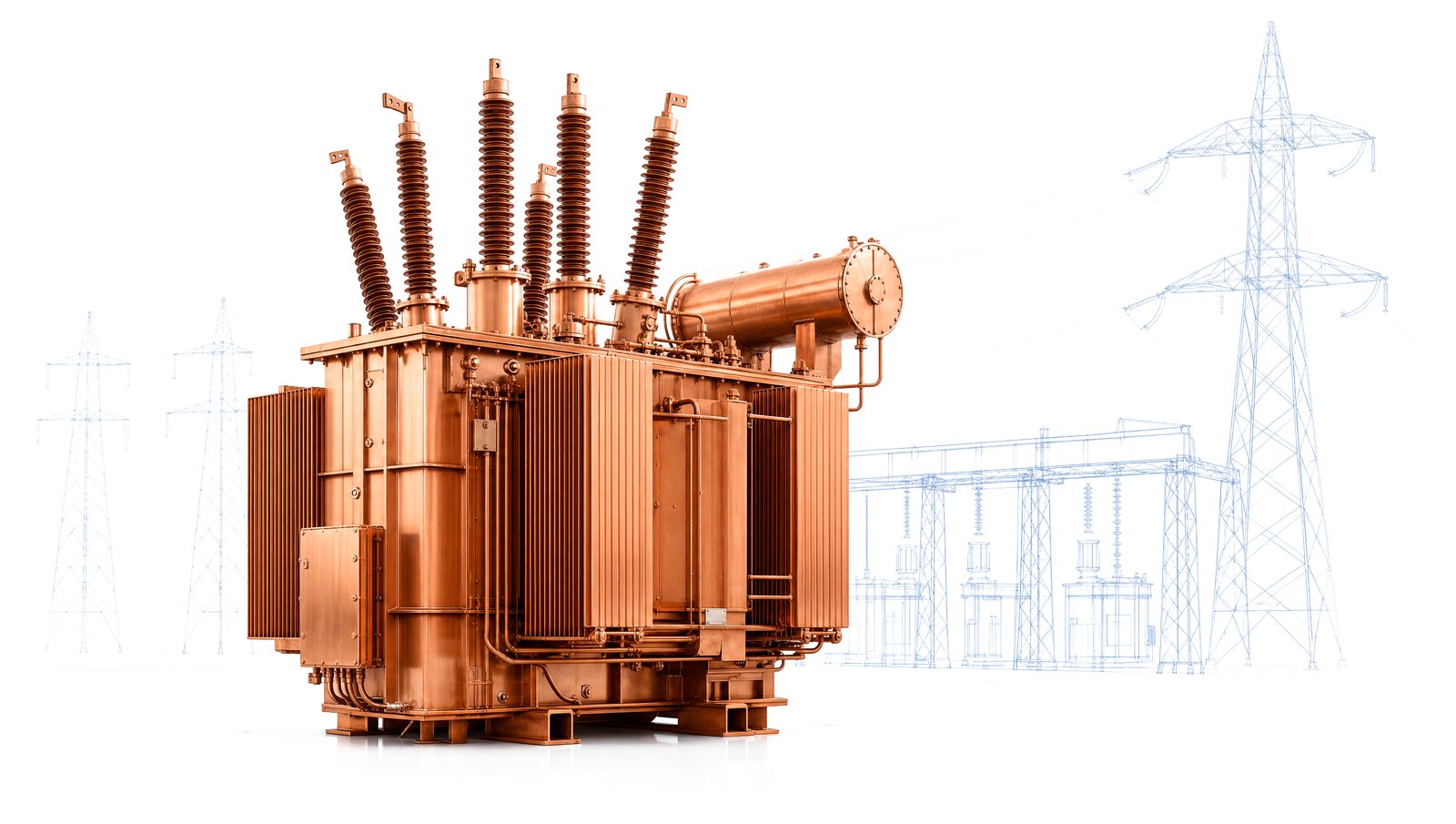
Interconnection delays and regulatory hurdles
Interconnection delays and regulatory hurdles can add years to the timeline for bringing new nuclear capacity online, complicating long-term planning for data center operators seeking reliable, firm power. The Federal Energy Regulatory Commission (FERC) has repeatedly delayed or rejected interconnection requests for advanced nuclear projects, with significant implications for project schedules and costs. For example, in September 2026, FERC rejected Oklo’s request to reinstate its 750-MW project to PJM’s current interconnection study cycle, determining that Oklo failed to resolve flaws in its application and that PJM could drop the project from the current cycle, which will delay the project by at least 18 months and increase costs 4. This decision affects a project that includes 150 MW of advanced nuclear, 300 MW of fuel cells, and 300 MW of gas-fired generation, and could result in a delay of more than a year if the project is not resubmitted successfully 4. Multiple developers, including Oklo, Advantage Capital Renewables, Agilitas Energy, Current Hydro, Lanyard Power Holdings, and RWE Americas, have contested similar removals from PJM’s interconnection queue, highlighting a systemic backlog and uncertainty in the interconnection process 4.
Site selection and licensing challenges
Site selection and licensing present further regulatory and infrastructure challenges. Blue Energy filed the first portion of its construction permit application with the U.S. Nuclear Regulatory Commission (NRC) for a gas-to-nuclear project at the Port of Victoria, Texas, seeking approval for deep foundation work and balance-of-plant construction before installing nuclear reactors 5. Blue Energy’s approach, which involves constructing natural gas infrastructure as a bridge to nuclear operation, is among a limited group of advanced nuclear projects to reach this licensing stage, with only five companies having submitted such construction permit applications in the current advanced nuclear licensing wave 5. The NRC previously approved Blue Energy’s methodology for gas-to-nuclear sequencing, clearing a regulatory hurdle for this phased construction strategy 5.
Leveraging military land for deployment
Developers are also leveraging Enhanced Use Leases (EULs) on underutilized military land to accelerate deployment. In September 2026, the U.S. Army awarded conditional leases to private developers for power generation projects at six installations across four states, targeting initial operating capability by or before 2030 11. These EULs allow the Army to retain ownership of the land while developers finance, build, and operate commercial power generation, including nuclear, with requirements for in-kind compensation to the Army and a decommissioning bond 11. This approach provides access to land that may otherwise be difficult or costly to acquire, but it also introduces obligations for developers to address Army needs and secure adequate financial assurances 11.
Impact on project timelines and investor planning
These interconnection, licensing, and site agreement challenges collectively extend the timeline for nuclear project delivery by multiple years, even with federal support and industry partnerships 4, 5, 11. For data center operators and infrastructure investors, such extended timelines create uncertainty in power planning and contract negotiations, as firm nuclear power delivery dates become less predictable 10. Developers must navigate not only PJM’s interconnection queues but also secure NRC construction permits and complete required site-specific data collection, each of which can independently add years to project schedules 4, 5, 11.
Nuclear uprates and existing plant enhancements
Utilities and technology companies are adding capacity to existing nuclear plants by seeking power uprates. For example, Georgia Power and Google agreed to uprate Georgia Power’s Hatch and Vogtle plants, adding approximately 96 megawatts of new capacity to the grid. 7 Meanwhile, Vogtle Units 3 and 4 entered commercial operation in 2023 and 2024, respectively, after a project initially projected to cost $14 billion and be completed by 2017. 7
How uprates work and their near-term impact
An extended power uprate increases a reactor’s licensed thermal power level by upgrading turbines, pumps, motors, and cooling systems, allowing more electricity generation without changing reactor fuel design or building a new reactor. 7 As a result, the U.S. Nuclear Regulatory Commission issued a construction permit for Clinch River Unit 1, a 300-megawatt GE Vernova Hitachi Nuclear Energy BWRX-300 small boiling-water modular reactor, in October 2026. 1 However, these upgrades typically take several years to complete, involving regulatory review and grid interconnection steps. 10 For instance, the Hatch and Vogtle uprate process includes filing a new Nuclear Uprate tariff structure and a request to the Georgia Public Service Commission for approval. 7
In addition, these uprates are part of a response to projected electricity demand growth, including from data centers. Georgia Power projects approximately 8,500 megawatts of electrical load growth by 2030, with peak demand expected to increase by about 2,600 megawatts compared to 2023 projections. 7
Other nuclear uprate and enhancement projects
The Duane Arnold Energy Center in Iowa received a loan commitment of up to $1.9 billion from the U.S. Department of Energy to help restart operations. 8 Specifically, the plant has a capacity of approximately 615 megawatts. 8
Blue Energy filed the first part of its construction permit application with the U.S. Nuclear Regulatory Commission for a gas-to-nuclear project at the Port of Victoria, Texas. 5
However, Oklo’s 750-megawatt mixed technology project in Virginia could be delayed by at least 18 months if it misses the current interconnection study cycle, after the Federal Energy Regulatory Commission rejected Oklo’s complaint to reinstate its schedule. 4
Policy and licensing context
Federal policy changes are supporting nuclear uprates and new projects. 2, 6 Therefore, these initiatives can help deliver near-term firm power additions without the delays and costs of new construction. 7
Nevertheless, uprate and restart projects must still complete regulatory and interconnection processes similar to new nuclear builds. 4, 10 Ultimately, nuclear uprates can expand firm power supply within a few years, but their completion depends on grid interconnection and regulatory approval. 4, 7, 10
Data Center Moratorium Tracker
Workforce and regulatory capacity
From July 2024 through June 2026, NRC lost about 500 staff, mostly because of voluntary retirements, which has increased concerns about its ability to maintain stable staffing levels. 3 According to NRC officials and most stakeholders interviewed by GAO, industry competition and higher attrition have affected the agency’s workforce more in recent years. 3

NRC’s enhanced hiring tools and their use
The Accelerating Deployment of Versatile, Advanced Nuclear for Clean Energy Act of 2024, known as the ADVANCE Act, gave NRC three enhanced hiring authorities: direct hire, compensation flexibility, and bonuses for hiring and performance. 3 However, between July 2024 and July 2026, NRC awarded $335,000 in performance bonuses to 18 staff but had not used the direct hire or compensation flexibility authorities. 3 NRC officials explained that a recent agency reorganization and the need to complete a comprehensive workforce evaluation and inventory delayed their use of these tools. 3
Industry competition and project timelines
Industry competition for nuclear talent is intensifying as companies pursue new reactor projects. 3 Therefore, NRC’s staffing shortages could slow reviews of licensing applications and potentially delay regulatory approvals by several months. 3 For instance, Oklo’s 750-megawatt mixed technology project in Virginia faces at least an 18-month delay if it misses the current interconnection study cycle, according to a FERC decision. 4 Meanwhile, Blue Energy filed the first part of a construction permit application for a gas-to-nuclear project in Texas, which indicates that new projects are entering the NRC pipeline and may add to the agency’s workload. 5 In addition, X-energy aims to build up to 144 Xe-100 reactors, reflecting the scale of industry ambitions that could further strain NRC resources. 6
Implications for data center power planning
NRC staffing shortages could extend the timeline for licensing and uprate reviews. 3 For example, Google’s agreement with Georgia Power to uprate nuclear units at Plants Vogtle and Hatch will add about 96 megawatts of capacity, but these uprates require NRC review and approval. 7 As a result, data centers should account for potential regulatory delays when planning power delivery timelines. 3 Furthermore, both grid interconnection studies and NRC licensing must be completed before new nuclear capacity can reliably serve data center load, with interconnection delays of at least 18 months possible if project cycles are missed. 4, 10
The ability to bring new nuclear power online for data centers will depend as much on regulatory capacity as on reactor technology.
Why this matters now
The U.S. Nuclear Regulatory Commission (2) recently proposed a comprehensive rule package that aims to streamline the licensing process for nuclear reactors by reducing reporting requirements for nonemergency events, eliminating expiration dates for standard design approvals, and increasing control room staffing flexibility. These changes are intended to improve predictability and reduce delays associated with design modifications, which have historically pushed back project timelines by years. For instance, the lengthy review of design changes during construction contributed to significant schedule overruns at Georgia’s AP-1000 reactors in the 2010s and early 2020s 2.
NRC Staffing Challenges
Regulatory capacity at the NRC remains a concern, as the agency experienced a net loss of about 500 staff between July 2024 and June 2026, primarily due to voluntary retirements 3. Despite the passage of the ADVANCE Act in 2024, which gave the NRC enhanced hiring and compensation authorities, the agency has not yet fully utilized these flexibilities, and a comprehensive workforce evaluation is still underway 3. This staffing shortfall increases the risk of regulatory bottlenecks and may further delay licensing decisions for new nuclear projects.
Grid Interconnection Delays
Grid interconnection delays are another critical factor affecting deployment timelines. For example, Oklo’s advanced nuclear project faced a delay and increased costs after being removed from PJM’s current interconnection study cycle, with the company estimating a significant setback 4. Such interconnection challenges are not unique to Oklo; multiple developers are experiencing similar issues, which threaten to push back the commercial operation dates of advanced nuclear facilities by more than a year 4.
Federal Policy and Funding Support
Policy and funding support for nuclear expansion is growing at the federal level. The Department of Energy has committed substantial financial backing to restart and build new nuclear facilities, including significant funding for the restart of Iowa’s Duane Arnold nuclear plant and a major cost-share award for X-energy’s Seadrift, Texas project 6, 8. The Duane Arnold restart is expected to generate considerable economic benefits and thousands of jobs, provided regulatory and technical milestones are met 8. X-energy’s project is designed to deploy multiple advanced reactors to supply heat and power to industrial customers 6.
State and Military Initiatives
State-level initiatives are also accelerating nuclear development. New York, for example, has set a target for new nuclear capacity and is partnering with Ontario on reactor design standardization to reduce costs and foster a regional supply chain 9. Similarly, the U.S. Army is working to attract private developers to build power generation and storage projects on underutilized military land, potentially opening new sites for nuclear and other firm power generation 11. These projects aim to provide grid capacity and resilient on-site power, with a focus on commercial operation by or ahead of 2030 11.
Bottlenecks and Uncertainties
However, deployment timelines remain uncertain due to regulatory and workforce constraints, as well as persistent grid interconnection delays, which are contributing to significant project delays 2, 3, 4, 7. These factors mean that while the policy environment for nuclear expansion has strengthened, the actual realization of new nuclear capacity will be gradual and subject to multiple bottlenecks 2, 3, 4, 7.
How SAVRN builds for this
SAVRN builds AI factories that communities are proud to host. Each campus generates its own power on site. Water-free cooling is used in these facilities. A training institute is placed at the front of each campus to reskill the local workforce. SAVRN also publishes and maintains public research tools. These include the Data Center Moratorium Tracker and the Grid Operator Watchlist. These tools help people understand changes in the data center and energy landscape.
What to do next
Data center operators and infrastructure investors should prioritize securing access to new nuclear capacity. Therefore, they must closely track regulatory approvals and developer activity for advanced reactors. For example, the 300-MW GE Vernova Hitachi BWRX-300 has received an NRC construction permit for TVA’s Clinch River Unit 1 in Tennessee, marking a major regulatory milestone ahead of schedule 1. This progress demonstrates the potential for similar projects in the future. However, the NRC’s ability to handle increased workload and workforce demands is still under review, which could affect future permitting timelines 3.
Monitor regulatory and funding developments
The NRC granted a construction permit for TVA’s Clinch River Unit 1 BWRX-300 SMR in October 2026, a decision that could influence future advanced reactor projects 1. As a result, the NRC is also updating its licensing regulations to speed up nuclear deployment. These changes include reducing nonemergency reporting and allowing greater design flexibility during construction 2. Meanwhile, the Government Accountability Office is assessing the NRC’s workforce needs, which highlights possible risks to timely reviews 3.
Engage early with developers and utilities
Proactive engagement with nuclear developers and utilities can provide early access to new capacity. Specifically, Google has agreed to support uprates at Georgia Power’s Vogtle and Hatch plants, which could add about 96 MW of carbon-free generation if approved 7. On the other hand, developers must be aware of interconnection process challenges. For instance, Oklo withdrew its 750-MW project from PJM’s interconnection study due to application issues, causing at least an 18-month delay and increased costs 4.
Track interconnection queue progress and site readiness
Following your regional transmission organization’s interconnection queue is essential. Oklo’s experience shows that incomplete applications can remove a project from the current study cycle, leading to significant delays 4. In addition, developers should evaluate potential sites for land availability and grid interconnection readiness. Notably, the U.S. Army is now offering underutilized military land for advanced nuclear projects, providing new site options 11.
Plan for regulatory and grid delays
Regulatory and grid interconnection delays are common in advanced nuclear projects. Blue Energy’s phased approach in Texas demonstrates how staged permitting can help manage risks 5. Furthermore, while federal funding for advanced nuclear is expanding, reaching up to $144 billion for reactors like X-energy’s Xe-100, careful planning remains necessary 6.
Use public tools to understand changing conditions
Leverage public resources to monitor evolving regulations and grid operator actions. SAVRN’s Data Center Moratorium Tracker and Grid Operator Watchlist provide current information on local and regional constraints that may affect site selection and power delivery Data Center Moratorium TrackerGrid Operator Watchlist. These tools can help identify favorable locations and anticipate obstacles.
Take concrete next steps
- Subscribe to NRC and FERC updates on licensing and interconnection processes.
- Identify and contact nuclear developers and utilities in your region to explore partnership opportunities.
For example, partnerships like Google’s support for Vogtle and Hatch show how collaboration can unlock new generation 7. - Review your organization’s position in the regional transmission organization’s interconnection queue and assess risks, as seen with Oklo’s PJM withdrawal 4.
- Evaluate potential sites for land availability and grid interconnection strength, including military land leases 11.
- Build contingency timelines and cost estimates into procurement plans to account for delays, such as Oklo’s 18-month setback 4.
- Use SAVRN’s Data Center Moratorium Tracker and Grid Operator Watchlist to stay updated on local and national changes that could impact project feasibility Data Center Moratorium TrackerGrid Operator Watchlist.
Ultimately, today’s regulatory and funding advances are creating new opportunities for nuclear-backed firm power. However, project success depends on early engagement, thorough planning, and readiness for regulatory and grid uncertainties.
Frequently asked questions
What is a small modular reactor (SMR) and how does it differ from traditional nuclear plants?
A small modular reactor is a factory-built nuclear reactor that can be shipped to a site and installed more quickly than traditional large reactors. Specifically, these reactors generate less than 300 megawatts of electricity, making them suitable for flexible deployment. Therefore, SMRs can be added in smaller increments to match energy demand. While older, larger plants require significant upfront investment, SMRs offer a more adaptable solution 1.
Why is firm nuclear power attractive for data centers?
Data centers require reliable, round-the-clock power to keep servers running continuously. Because nuclear power plants operate consistently, they provide a stable and low-carbon energy source. This reliability makes them a strong match for data centers’ baseload needs. As a result, nuclear energy is increasingly viewed as a dependable option 10.
What recent regulatory change enabled the first U.S. SMR construction permit?
Recently, the U.S. Nuclear Regulatory Commission updated its licensing process to simplify the approval of new nuclear projects. This change allowed the NRC to issue a construction permit for the first BWRX-300 SMR in Tennessee. Consequently, the regulatory update aims to encourage the expansion of nuclear energy in the United States 1.
How much new nuclear capacity is being added or upgraded in the U.S. currently?
Currently, Google has agreed to fund upgrades at Georgia Power that will add about 96 megawatts of nuclear capacity. In addition, other similar projects are progressing across the country. However, nationwide totals are not well documented due to limited recent reporting 7.
What are the main barriers to connecting new nuclear plants to the grid for data center use?
One significant barrier is limited transmission capacity, which can slow the integration of new nuclear plants into the grid. Furthermore, long interconnection queues often cause substantial delays in project approvals. Utilities must therefore plan and invest in new transmission infrastructure to support these developments 4.
How do interconnection queues affect the timeline for new nuclear projects?
Because interconnection queues can be lengthy, new nuclear projects may face delays of more than a year while waiting for grid approval. In fact, missing a key approval window can set a project back by at least eighteen months. This has been a recurring issue in recent cases 4.
What federal funding is available for advanced nuclear projects?
The U.S. Department of Energy offers financial support for advanced nuclear projects through loans and grants. For example, it has provided up to $1.9 billion to help restart the Duane Arnold nuclear plant in Iowa. This funding is intended to accelerate the deployment of new nuclear capacity 8.
Can existing nuclear plants provide additional power to data centers?
Yes, existing nuclear plants can undergo uprate procedures to increase their electricity output. Companies like Google are funding these upgrades, which makes more power available for the grid. This additional capacity can then be allocated to data centers 7.
How does the NRC ensure safety as new nuclear projects accelerate?
The NRC is reviewing its workforce and licensing processes to keep up with the growing number of new nuclear projects. Additionally, it carefully evaluates design changes and site safety as part of its standard oversight. These measures help the agency maintain strict safety standards 3.
What should data center operators do to secure nuclear-backed power?
Data center operators should begin early discussions with utilities and grid planners to prepare for potential energy solutions. Moreover, they should promptly enter interconnection queues and negotiate power purchase agreements when new nuclear projects are announced. This proactive approach can help ensure a reliable energy supply for their operations 10.
Sources
- Tennessee Valley Authority gets green light to build first BWRX-300 small modular reactor in the US, Power Engineering, Clarion Events, Oct 01, 2026.
- A ‘wholesale revision’ of US nuclear rules is on the…, Canary Media, Sep 30, 2026.
- Nuclear Power: Actions Needed to Improve NRC’s Assessment of Its Workforce Needs | U.S. GAO, U.S. Government Accountability Office, Sep 28, 2026.
- FERC rejects Oklo complaint seeking to reinstate project to PJM’s interconnection study cycle, Industry Dive, Utility Dive, Sep 25, 2026.
- Blue Energy files first NRC application for Texas gas-to-nuclear project Blue Energy files first NRC construction permit for Texas gas-to-nuclear project, Power Engineering, Clarion Events, Sep 24, 2026.
- With federal funding windfall, X-energy advances small…, Canary Media, Sep 23, 2026.
- Google to pay for nuclear uprates at Georgia Power’s Hatch, Vogtle plants, Power Engineering, Clarion Events, Sep 22, 2026.
- Duane Arnold’s nuclear restart in eastern Iowa gets $1.9B boost from DOE, Power Engineering, Clarion Events, Sep 10, 2026.
- New York’s big new bet on nuclear energy, Canary Media, Sep 03, 2026.
- Meeting AI Demand: Alternate Power, Design, and Site Strategy, Informa TechTarget, Data Center Knowledge, Sep 01, 2026.
- Army offers up underutilized military land to private developers for new power generation and storage Army taps developers for power generation, Power Engineering, Clarion Events, Sep 25, 2026.
Want the next one?
When a new piece publishes on SAVRN Insights, you get one email with what it covers and a link to read it. Choose the research that interests you.
Also send me
Receive a short introduction on days 3, 7 and 14, plus the updates you select. Unsubscribe in one click. Privacy
Small modular reactor | Data Center Power
Get new SAVRN Insights by email
A short introduction on days 3, 7 and 14, plus new SAVRN research articles. Unsubscribe at any time.
We use your address to send the introduction and updates described above. See our Privacy Policy.