AI data center infrastructure challenges
A comprehensive look at the technical, economic, and regulatory challenges shaping AI data center infrastructure today.
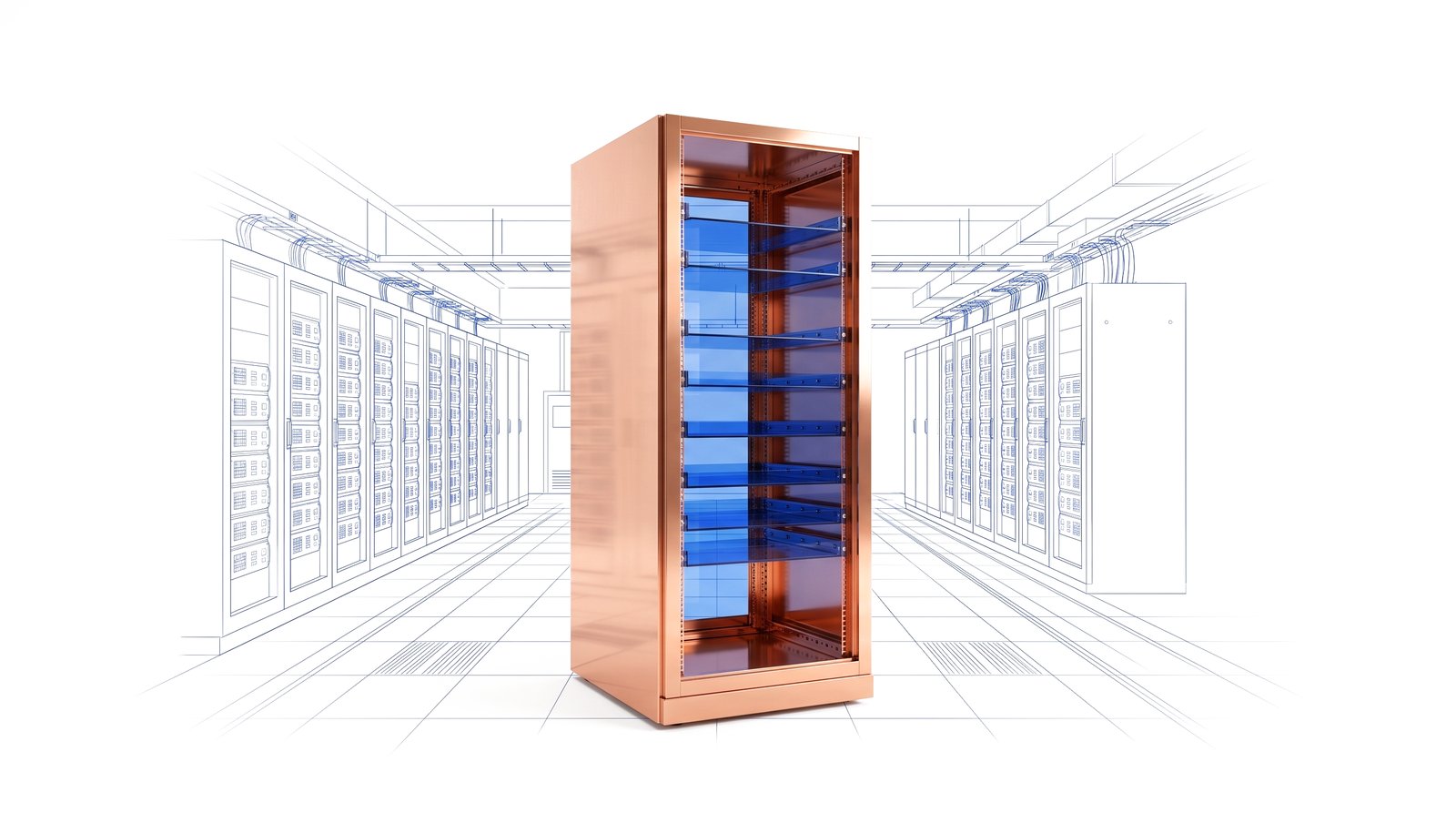
The AI data center infrastructure challenges are sharpening into a set of hard constraints. Operators face 2 to 4 year GPU economic lifespans, even though physical hardware can last 5 years or more 1. Power delivery is being reengineered around 800V DC architectures; as a result, major acquisitions indicate that power conversion has become a strategic layer 2. Self-improving AI is expected to increase demand unpredictably 3. Construction projects are being halted by environmental reviews, such as a California judge ordering a full EIR for a 330 MW data center 7. Corrosion risk, which is often overlooked until construction, is now emerging as a threat to multi-billion dollar investments 4. In addition, fiber access and diversity are now gating new builds in many markets 5. Fire protection systems are being redesigned to match AI’s higher heat and power density 6. Because of all these pressures, operators are being pushed to rethink site selection, power sourcing, and build timelines.
Why this matters now
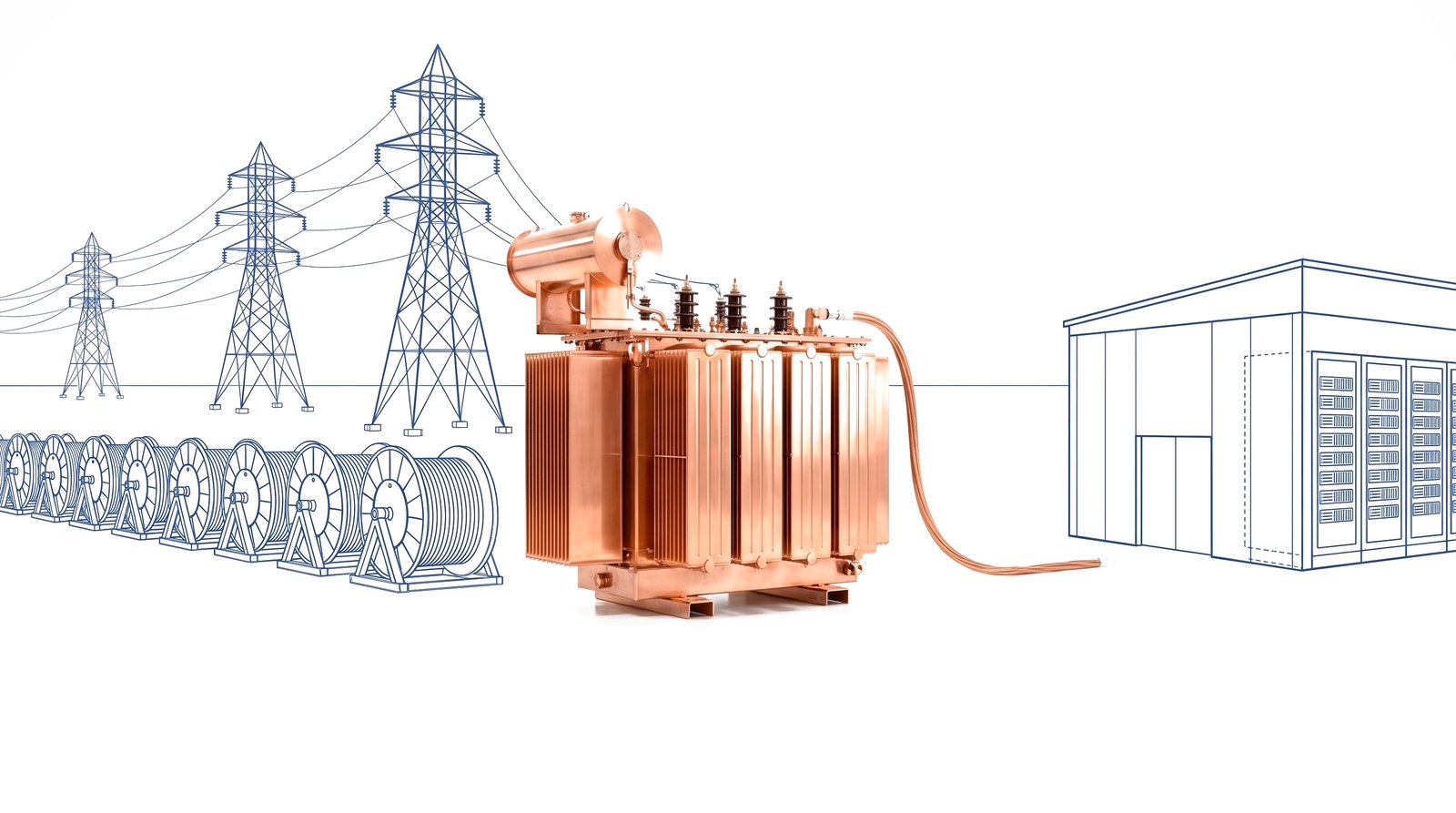
AI workloads are accelerating the need for more compute, pushing operators to build and upgrade at unprecedented speeds that strain existing infrastructure, supply chains, and regulatory systems. As a result, this situation creates a narrow window for planning, where every decision about site selection, power, and timing significantly affects future scalability and resilience. It is not only about adding servers; instead, operators must rethink how electricity is delivered, how heat is removed, and how quickly sites can be permitted. For example, as AI racks now exceed 100 kW, electrical engineering and resilience planning set the practical limits for deployment. Because the economic life of GPUs is shortening to 2 to 4 years, even though the hardware may physically last longer, this change forces operators to plan for more frequent upgrades. Utilities and grid operators are prioritizing projects based on available capacity; Flex’s $4.4 billion acquisition of EPC Power illustrates this strategic shift. Environmental reviews can halt or delay projects; in California, a judge ordered a full environmental impact review for a 330 MW data center. Meanwhile, corrosion, often overlooked in the past, is now recognized as a threat to long-term asset value in AI data centers. Fiber access and network diversity have also become critical constraints in many markets, determining where facilities can be located and how quickly they can scale. In addition, fire protection systems must be redesigned to match the higher heat and power density from AI workloads. Ultimately, these factors interact, making site selection, power sourcing, and build timelines more complex and consequential than in previous data center cycles.
What to take from this
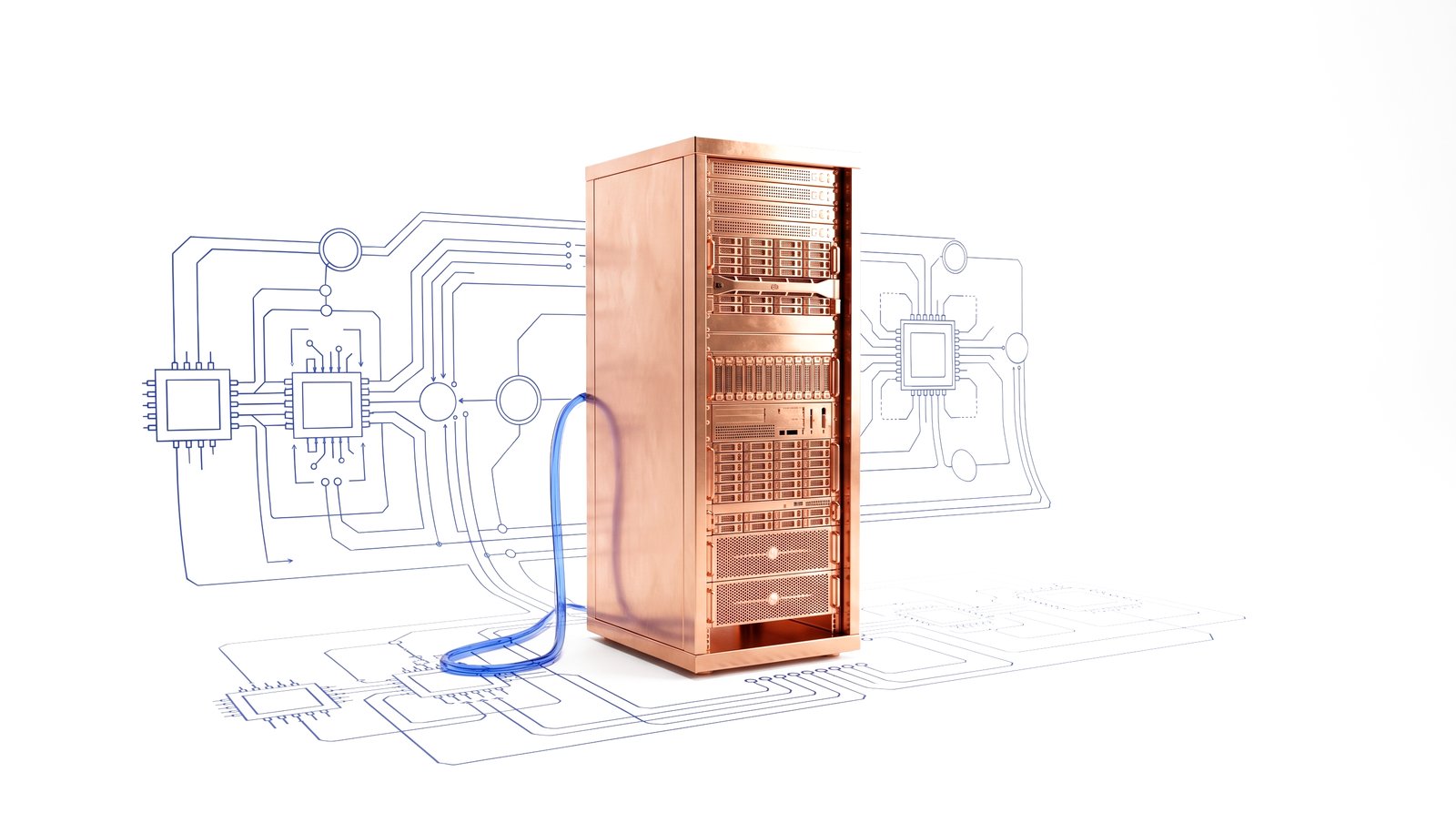
- AI data centers face rapid technological change and physical constraints that require holistic, early-stage planning.
- Power delivery is shifting to 800V DC architectures in multi-billion-dollar deals to support high-density AI racks.
- Corrosion risk, often overlooked, can undermine the longevity of massive AI infrastructure investments.
- Site selection is increasingly limited by fiber, water, and power availability, not just land or capital.
- Agile GPU lifecycle management and resilient design are essential to balance performance, cost, and reliability.
What the sources report, with the numbers
The pace of AI data center change is accelerating
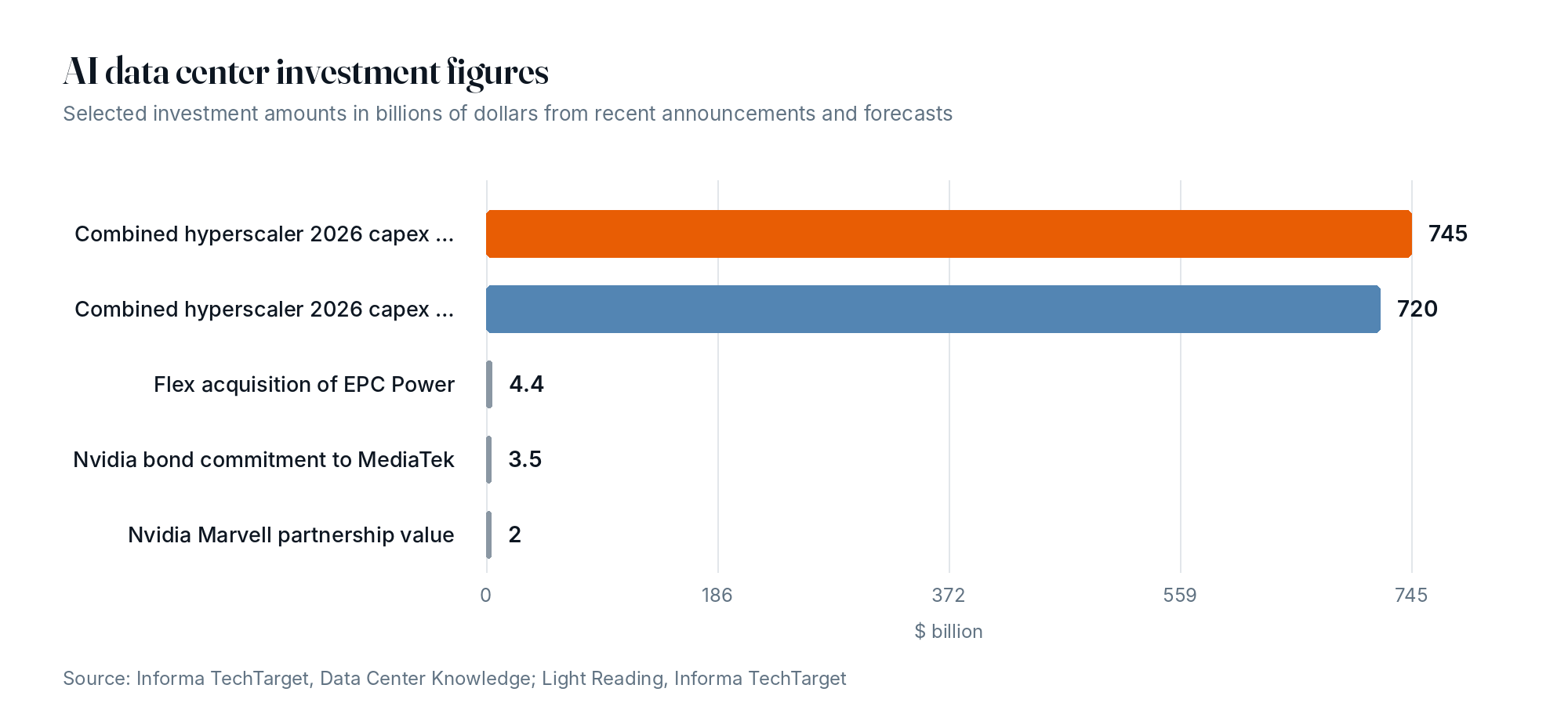
AI data centers are adopting 800V DC power architectures in deals worth billions. For example, Flex acquired EPC Power for $4.4 billion to support next-generation AI data centers using 800V DC power conversion and grid-forming technology 2. As a result, GPU economic replacement cycles have shortened to 2 to 4 years, even though the hardware may physically last 5 or more years 1. Meanwhile, Nvidia’s GB300 NVL72 AI platform requires up to 142 kW per rack, and newer platforms like Vera Rubin NVL72 are projected to reach 190 to 230 kW per rack. In addition, future designs are targeting around 600 kW per rack 12.
Power and site selection are the main constraints
Specifically, a proposed 330 MW data center in California was halted by a judge’s order requiring a full environmental impact review, illustrating regulatory constraints 7. Moreover, in many markets, fiber access, water, and power availability are now critical factors in site selection. Because limited fiber capacity can restrict expansion, operators must plan carefully where and how quickly to build 5.
Cooling and fire protection are evolving with AI workloads
In fact, air cooling becomes impractical above roughly 50 kW per rack, so operators are shifting to liquid cooling solutions such as cold plates and two-phase immersion 12. However, adoption of these solutions has been slowed by regulatory restrictions on immersion fluids. Additionally, fire protection systems must now be integrated early in the design process to address higher heat and power density from AI workloads 6.
Corrosion and other risks are emerging
Corrosion is a significant risk in AI data center construction, starting during the build phase and threatening long-term asset integrity if not addressed 4.
Operators are adapting site and power strategies
To address these challenges, operators are pursuing alternate power sources and rethinking facility design and site selection 8. Furthermore, in many markets, fiber capacity is a key bottleneck, so operators must negotiate with carriers and plan for long lead times to secure necessary bandwidth 5.
Economic cycles and infrastructure interact
Because the shortened GPU economic lifecycle of 2 to 4 years is influencing capital investment timing, operators must plan equipment refresh and e-waste management accordingly 1. Similarly, power conversion and grid-forming technologies are now strategic components of AI infrastructure, reflecting their importance in facility design 2.
What this means for operators and partners
These developments require AI data center operators to coordinate power, cooling, connectivity, environmental compliance, and equipment lifecycle planning simultaneously. Therefore, aligning these factors early and continuously throughout the project lifecycle is essential for success.
How do utilities decide who connects first?
Utilities prioritize new connections based on grid capacity, reliability needs, and contractual commitments. First, they assess whether the local grid can safely support the additional load. Second, they prioritize customers with firm power contracts or critical infrastructure status. For example, customers with firm commitments often receive higher priority 8.
How grid capacity and contracts shape access
AI data centers often secure priority through firm power contracts with utilities. Specifically, Flex’s $4.4 billion acquisition of EPC Power highlights the importance of advanced power-conversion technologies, including 800V DC systems, which are designed to connect directly to grid voltages and consolidate functions traditionally provided by UPS systems and AC distribution 2. Utilities may favor projects that help stabilize the grid or meet reliability targets.
Utilities evaluate the impact of each connection on grid components. For instance, they assess whether the load will cause voltage issues or overload transformers. If the grid cannot safely support the load, the connection is delayed until upgrades are completed 8.
What happens when demand outpaces supply
When demand exceeds available capacity, utilities use interconnection queues to manage project prioritization. Specifically, projects are ranked by contract date or priority class, with those at the front receiving service first as capacity becomes available 8. In oversubscribed areas, some utilities employ lotteries or random selection. Additionally, projects that commit to firm capacity reservations may receive priority 8. Utilities may also require developers to fund grid upgrades as a condition of connection, which can extend timelines by years 8.
Environmental and regulatory reviews add time
Environmental and regulatory reviews can significantly delay connections. For example, a California judge ordered a full environmental review for a proposed 330 MW data center, putting the project on hold until the review is completed 7. These reviews can add months or years to the timeline.
How operators can improve their position
Operators can improve their connection prospects by securing firm power contracts early. Additionally, incorporating grid-forming or power-smoothing technologies, such as 800V DC systems, can reduce the burden on the local grid and make projects more attractive to utilities 2. Monitoring utility watchlists helps identify regions with tightening access Grid Operator Watchlist.
What are the real limits of AI rack density?
AI racks now commonly exceed 100 kW per rack. This trend is driven by the need for more compute per unit space to support large-scale AI workloads. However, physical and operational constraints are setting practical upper limits on how dense racks can safely become 12.
Electrical and thermal constraints define the ceiling
The amount of power a rack can handle is limited by the facility’s electrical distribution and the cooling system’s capacity to remove heat. Air cooling is generally practical up to about 50 kW per rack, according to Uptime Institute. Beyond that, liquid cooling methods such as cold plates are required to manage the heat effectively 12.
As rack power increases, the risk of electrical faults and thermal hotspots also rises. Therefore, operators must balance higher density with maintaining safe operating conditions and preventing outages. This balance is why resilience planning, not just the number of chips, ultimately determines the practical density limit 12.
Cooling technology is a key bottleneck
Liquid cooling has become the primary approach for high-density AI racks, with cold plate systems holding about 55% market share in 2026. However, further increases in rack density depend on advances in cooling technology. For example, two-phase immersion cooling was once considered the ultimate solution, but supply constraints due to PFAS regulations have slowed its adoption. As a result, new replacement fluids are being developed, but regulatory clarity is not expected until 2027 12.
Microfluidics and other advanced cooling methods remain mostly in the research and development phase and are not yet widely deployed. Consequently, near-term gains in rack density will likely be incremental and based on proven cooling solutions 12.
Power delivery and facility design matter
Even with advanced cooling, the facility’s power infrastructure must be able to support high-density racks. Careful power distribution design is necessary to avoid circuit overloads and to ensure reliable delivery. In addition, operators often face a trade-off between maximizing rack density and maintaining a robust, resilient power and cooling system 12.
Economic and operational risks of pushing density too high
Pushing rack density to the maximum can increase the likelihood of failures and reduce operational flexibility. Specifically, a single rack outage in a high-density environment can impact a larger portion of compute capacity. Operators must therefore consider not just peak performance, but also uptime, maintainability, and scalability 12.
The biggest misconception about what’s limiting density is that it’s capped by the number of GPUs per chassis, or that it’s a cooling issue that you solve with bigger fans.
Practical density ranges in 2026
In 2026, typical enterprise racks average around 11 kW, while AI training racks can reach 142 kW or more, depending on the platform. Next-generation systems are projected to approach or exceed 600 kW per rack by late 2027. However, most deployments today remain in the 100 to 230 kW range, mainly due to limitations in cooling, power, and reliability 12.
What this means for operators
Operators should design their data centers to support the density that their current power and cooling systems can safely handle. Furthermore, they should plan for future upgrades and consider modular designs that allow for incremental density increases as technology advances. Tracking local power availability and cooling technology roadmaps is also essential for effective long-term planning Data Center Moratorium Tracker.
How is corrosion impacting AI buildouts?
Corrosion risk begins during construction and is frequently omitted from early project planning. This oversight can jeopardize the long-term reliability of AI data centers. AI facilities require substantial capital investments and are designed for long-term operation. However, corrosion often develops before operations begin, during manufacturing, transport, storage, and installation. Typically, corrosion is addressed only as a maintenance issue, not as a design or construction concern. As a result, preservation strategies are not consistently integrated into project governance or risk management frameworks 4.
Corrosion risks rise with liquid cooling and mixed metals
AI infrastructure increasingly depends on liquid cooling, which introduces new materials such as pipes, pumps, valves, and heat exchangers. These systems frequently combine multiple metals and complex water chemistries. Corrosion in these systems can decrease cooling efficiency and shorten equipment lifespan. Moreover, it may delay commissioning and compromise reliability. Notably, industry studies estimate that corrosion costs about 3.4% of global GDP annually, mostly due to preventable causes with proper management 4.
Construction timelines and equipment storage increase corrosion exposure
AI data center construction is often rapid, but equipment can remain idle for months before installation. Responsibility for preservation may shift among manufacturers, logistics providers, contractors, and owners. Without clear preservation plans, protective coatings and treatments can deteriorate during this period. Consequently, corrosion can begin before the facility even becomes operational 4.
Preservation must be part of project governance
Most large construction projects include processes for safety, quality, and commissioning. However, preservation is often excluded from these processes. By incorporating preservation into governance, projects can ensure that equipment arrives and is installed in a protected condition. In addition, this approach supports longer asset life and more dependable operations 4.
Liquid cooling complexity demands careful material selection
Liquid cooling systems involve a variety of metals and fluids. Incompatible materials can accelerate corrosion. Water chemistry must be carefully managed to protect these components. For example, early and careful planning can help avoid unexpected maintenance and operational delays 4.
Long-term impact on capital and operations
Corrosion affects both capital expenditures and ongoing operational costs. It can require premature replacement of cooling components or delay the start of revenue generation. For facilities intended to operate for decades, these early decisions are especially significant. Therefore, corrosion should not be ignored until it becomes a critical issue 4.
Why is fiber access becoming a bottleneck?
Fiber access has become a key constraint for new AI data center builds in many markets. Even when power and water are available, limited or slow fiber connections can block or delay projects. As a result, operators must consider fiber availability from the very beginning. Operators report that fiber availability and diversity often determine where facilities can be located and how quickly they can expand 5.
The gap between demand and supply
Demand for high-bandwidth fiber has increased sharply because AI workloads require more data movement with lower latency. Industry reports show that data center bandwidth purchases rose by about 330% from 2020 to 2023 5. However, many regions still do not have enough fiber infrastructure to meet this surge. This shortage, therefore, creates significant obstacles for new data center deployments.
Limited incentives for expansion
Telecommunications providers often lack strong economic incentives to expand fiber into less populated or emerging areas. This situation leads to a shortage of last-mile and long-haul capacity where new data centers are most needed. As a result, operators may face long wait times or intense competition for available capacity and skilled installers 5. In addition, the lack of incentives can slow infrastructure development further.
Site selection and resilience
Most operators require connections to multiple independent carriers to ensure resilient and high-performing network designs. A single high-bandwidth agreement is rarely sufficient for diverse routing and failover needs. Consequently, this requirement complicates site selection and increases the risk of delays if local networks are underbuilt 5. Specifically, operators must evaluate network diversity early in the planning process.
Mitigation strategies
Operators can reduce risk by prioritizing fiber availability during site selection. They should assess current bandwidth capacity and anticipate future growth. Moreover, mapping competitive demand and planned carrier expansions can help avoid unexpected delays. Structuring incentives with carriers can help overcome the chicken-and-egg problem, where demand and supply depend on each other 5. For example, operators might negotiate commitments for future capacity.
Practical next steps for operators
Operators should treat fiber as a foundational input, equal in importance to power and water. They should include fiber availability in their site selection criteria and engage with carriers early. Tracking planned carrier expansions and competing projects can also help prevent delays. Ultimately, proactive planning can help secure the necessary fiber infrastructure for scaling data centers.
How are operators adapting fire protection for AI?
Fire protection is shifting from code compliance to integrated design
AI workloads are pushing rack densities higher and introducing new electrical and thermal risks. As a result, fire protection is being treated as a core part of early design, not an afterthought. Operators now coordinate fire protection engineers from the start to align detection, suppression, and building construction with the facility’s unique needs 6. > Effective protection depends on early design integration and a holistic approach that considers building construction, emergency procedures, and operational resilience.
Higher rack power changes detection and suppression strategies
AI racks can now exceed 40 kW and, in some cases, surpass 100 kW per rack. This concentration of power and heat alters how fire risk is evaluated, even if the base fire risk does not increase proportionally. For example, airflow patterns and equipment placement affect where smoke and heat detectors are located. In addition, suppression system layouts must account for obstructions that could block discharge patterns. These changes require close coordination between electrical, mechanical, and fire protection teams 6.
Lithium-ion batteries add new hazards and requirements
Many data centers are replacing traditional UPS batteries with lithium-ion systems due to space and performance benefits. However, lithium-ion batteries introduce specific fire protection concerns. Project teams must now consider whether the battery system is part of a UPS or a standalone energy storage system. Standards such as UL 1778 and UL 9540, along with NFPA 855, provide guidance for installation and testing. This requires early involvement from fire protection designers to ensure compliance and safety 6.
Early integration reduces risk and cost
Because AI-driven designs can change quickly, fire protection strategies must be flexible and integrated from the outset. For instance, building airflow and equipment layout should be finalized in parallel with fire detection and suppression planning. This approach helps avoid costly redesigns and ensures that emergency procedures match the facility’s actual conditions. Operators are increasingly adopting this integrated timeline as a best practice 6.
Holistic planning extends beyond equipment to operations
Fire protection now includes operational resilience and emergency procedures. Operators are updating training programs and emergency response plans to reflect new equipment and higher densities. This holistic view covers not just hardware but also how staff respond under stress. As a result, fire protection becomes part of the ongoing operational risk management for AI data centers 6.
How SAVRN builds for this
SAVRN builds AI factories that generate their own power on site and run water-free cooling, with a training institute at the front of every campus that reskills the local workforce. SAVRN also publishes and maintains public research tools that track the same trends this article covers: the Data Center Moratorium Tracker, the Water Tracker, the Data Center Delay Tracker, the Grid Operator Watchlist, the Capital Atlas and the US Data Center Map.
What to do next
Operators should secure long-term power and fiber contracts early. In addition, they must embed corrosion and fire protection into project governance from the outset. Furthermore, adopting flexible GPU refresh strategies that align with economic cycles is crucial 1, 2, 4, 5, 6. Utilities and regulators, however, must streamline environmental reviews while ensuring grid resilience and timely permitting, since AI data centers can trigger major delays 7. As a result, all stakeholders should invest in workforce training and consider modular, resilient site designs to future-proof infrastructure and reduce bottlenecks 10, 8.
How to act now
- Secure power and fiber early. Long-term contracts for diverse enterprise-grade fiber reduce site selection risk and avoid delays 2, 5.
- Integrate corrosion and fire protection governance. Including preservation and fire safety from the start, instead of after equipment arrives, is essential 4, 6.
- Plan for rapid GPU cycles. Refreshing GPUs based on price/performance and economic conditions, rather than just equipment lifespan, is advisable 1.
- Engage with public tools. Using SAVRN’s public tools helps benchmark site feasibility and track regulatory and infrastructure risks SAVRN.
- Adopt modular, resilient design. Modular power and cooling, along with behind-the-meter generation and SMR partnerships, can improve resilience and reduce reliance on grid upgrades 8.
- Coordinate with utilities and regulators. Advocating for streamlined environmental reviews and grid upgrades is important, but reliability must not be sacrificed 7.
- Invest in workforce training. Supporting programs that build skilled trades capacity addresses labor shortages in construction and operations 10.
Today, the difference between a successful AI data center and a stalled project often comes down to early planning and strong partnerships. First, start with securing power and fiber. Second, build in corrosion and fire protection from the beginning. Finally, keep GPU and site strategies flexible to adapt to changing conditions.
Frequently asked questions
How long do GPUs typically last in AI data centers?
GPUs in AI data centers can physically last five or more years; however, operators often replace them every two to four years. This is because rapid performance gains drive shorter replacement cycles. Economic factors, such as price per performance and performance per watt, also influence these decisions 1.
Why are data centers adopting 800V DC power architectures?
AI data centers are adopting 800V DC power architectures primarily to support higher rack densities. Additionally, this shift improves power delivery efficiency. As a result, many facilities are moving toward advanced power conversion and grid-forming technologies 2.
What is the biggest physical limit to AI rack density?
The main physical limit to AI rack density is the ability to supply and manage power. Moreover, effective cooling and maintaining system resilience are also critical factors. Therefore, as racks exceed 100 kW, electrical and thermal constraints become the primary barriers 12.
How does corrosion threaten new AI data centers?
Corrosion can endanger the large capital investments in new AI data centers, often beginning during the construction phase. Specifically, early inclusion of preservation measures in project governance is essential. Without these measures, long-term damage may occur 4.
Why is fiber access now a primary site selection factor?
Fiber access is now a key factor in choosing data center locations because it directly affects how quickly facilities can scale and connect to networks. In fact, limited fiber availability can significantly delay or even prevent new builds in many markets 5.
What fire protection changes are needed for AI data centers?
AI data centers require fire protection to be integrated early in the design process. Instead of focusing solely on code compliance, a holistic approach that includes building construction and operational resilience is necessary. This ensures that protection matches the higher risk posed by dense AI racks 6.
How do utilities prioritize AI data center connections?
Utilities prioritize connections based on available power capacity and grid stability. In addition, the scale of demand from large facilities plays a significant role. Operators with clear power plans and flexible strategies are more likely to secure timely connections 8.
What are the main regulatory hurdles for large AI data centers?
The main regulatory hurdles include comprehensive environmental reviews and permitting delays. For example, some recent projects required full environmental impact assessments before approval. These steps can extend timelines and increase costs 7.
How can operators manage GPU refresh cycles cost-effectively?
Operators can manage GPU refresh cycles by closely monitoring price/performance trends. Furthermore, considering resale or GPU-as-a-Service models can help. As a result, planning for economic replacement rather than relying only on physical lifespan can maximize value 1.
What workforce skills are most in demand for AI data center buildouts?
There is high demand for skilled tradespeople in electrical and mechanical fields, as well as in data center operations. Additionally, professionals with expertise in AI infrastructure and energy management are increasingly needed. To address these gaps, partnerships and training coalitions are being formed 10.
Sources
- GPU Lifespan in Data Centers: Physical vs. Economic, Informa TechTarget, Data Center Knowledge, Sep 08, 2026.
- Flex Pays $4.4B for EPC Power as AI Data Centers Push 800V DC, Informa TechTarget, Data Center Knowledge, Sep 04, 2026.
- Self-Improving AI Could Drive Innovation but Strain Data Centers, Informa TechTarget, Data Center Knowledge, Sep 04, 2026.
- The Corrosion Blind Spot in the AI Buildout, Informa TechTarget, Data Center Knowledge, Sep 03, 2026.
- Could Fiber Be the Next Big Bottleneck in Data Center Growth?, Informa TechTarget, Data Center Knowledge, Sep 03, 2026.
- How AI Is Changing Fire Protection in Modern Data Centers, Informa TechTarget, Data Center Knowledge, Sep 02, 2026.
- California Judge Orders Environmental Review of Data Center, Informa TechTarget, Data Center Knowledge, Sep 01, 2026.
- Meeting AI Demand: Alternate Power, Design, and Site Strategy, Informa TechTarget, Data Center Knowledge, Sep 01, 2026.
- Nvidia tips $3.5B into MediaTek in latest tech partnership, Light Reading, Informa TechTarget, Sep 01, 2026.
- AT&T, Nvidia back plan to bridge gap on skilled labor, Light Reading, Informa TechTarget, Sep 01, 2026.
- Render previews agentic AI expansion, Light Reading, Informa TechTarget, Sep 01, 2026.
- AI Rack Density’s Real Limits: Power, Cooling, Failure Risk, Informa TechTarget, Data Center Knowledge, Aug 28, 2026.
- QumulusAI Scales GPUs, but Powered Capacity Sets the Pace, Informa TechTarget, Data Center Knowledge, Aug 27, 2026.
- Nvidia’s AI Boom Tests Data Center Infrastructure Limits, Informa TechTarget, Data Center Knowledge, Aug 27, 2026.
- How Data Centers Are Using AI to Run Cooler and Smarter, Informa TechTarget, Data Center Knowledge, Aug 27, 2026.
- OpenAI Moves Energy Planning Inside Data Center Organization, Informa TechTarget, Data Center Knowledge, Aug 26, 2026.
- Lower density brings server efficiency and cooling gains - Uptime Institute Blog, Uptime Institute Journal, Jul 29, 2026.
Want the next one?
When a new piece publishes on SAVRN Insights, you get one email with what it covers and a link to read it. Choose the research that interests you.
Also send me
Receive a short introduction on days 3, 7 and 14, plus the updates you select. Unsubscribe in one click. Privacy
AI data center infrastructure challenges
Get new SAVRN Insights by email
A short introduction on days 3, 7 and 14, plus new SAVRN research articles. Unsubscribe at any time.
We use your address to send the introduction and updates described above. See our Privacy Policy.