AI data center infrastructure limits
A comprehensive look at the physical and economic constraints shaping AI data center buildouts in 2026.
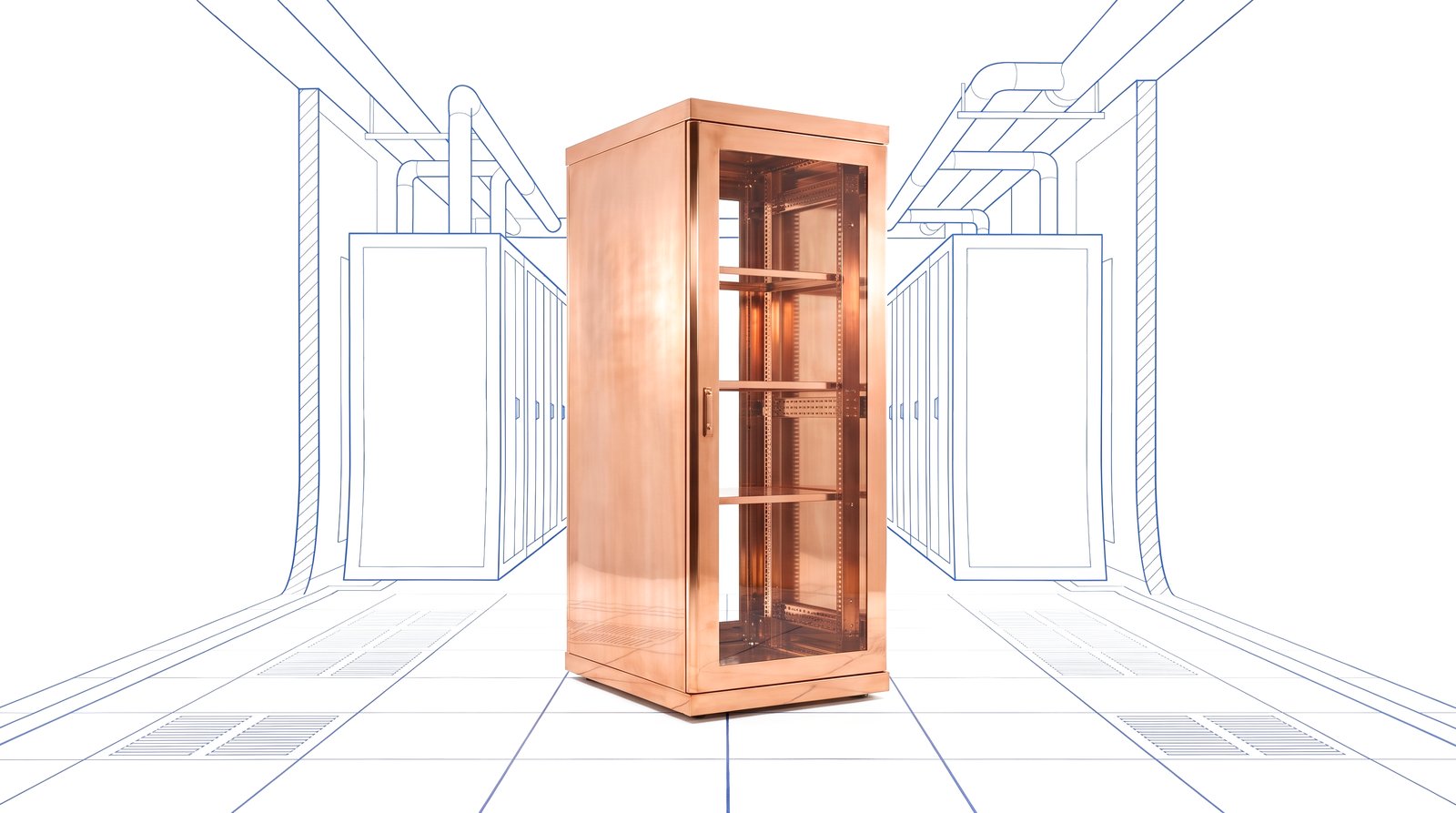
AI data center infrastructure limits are not just about how many chips fit into a rack. Instead, they also depend on factors such as power, cooling, and staffing that the building itself can support. Nvidia’s Rubin Ultra NVL576 “Kyber” rack is expected to require roughly 600 kW by the second half of 2027, according to industry reports. This high power demand means that while the hardware can function for five or more years, operators typically replace it every two to four years. Rapid advancements in performance and efficiency make older equipment less cost-effective over time. Air cooling becomes impractical above about 50 kW per rack, so most AI deployments now rely on liquid cooling. In 2026, liquid cooling accounted for about 55% of the market. However, the primary constraint continues to be the availability of grid power. Deployments are now often limited more by electricity supply than by physical space or equipment availability.
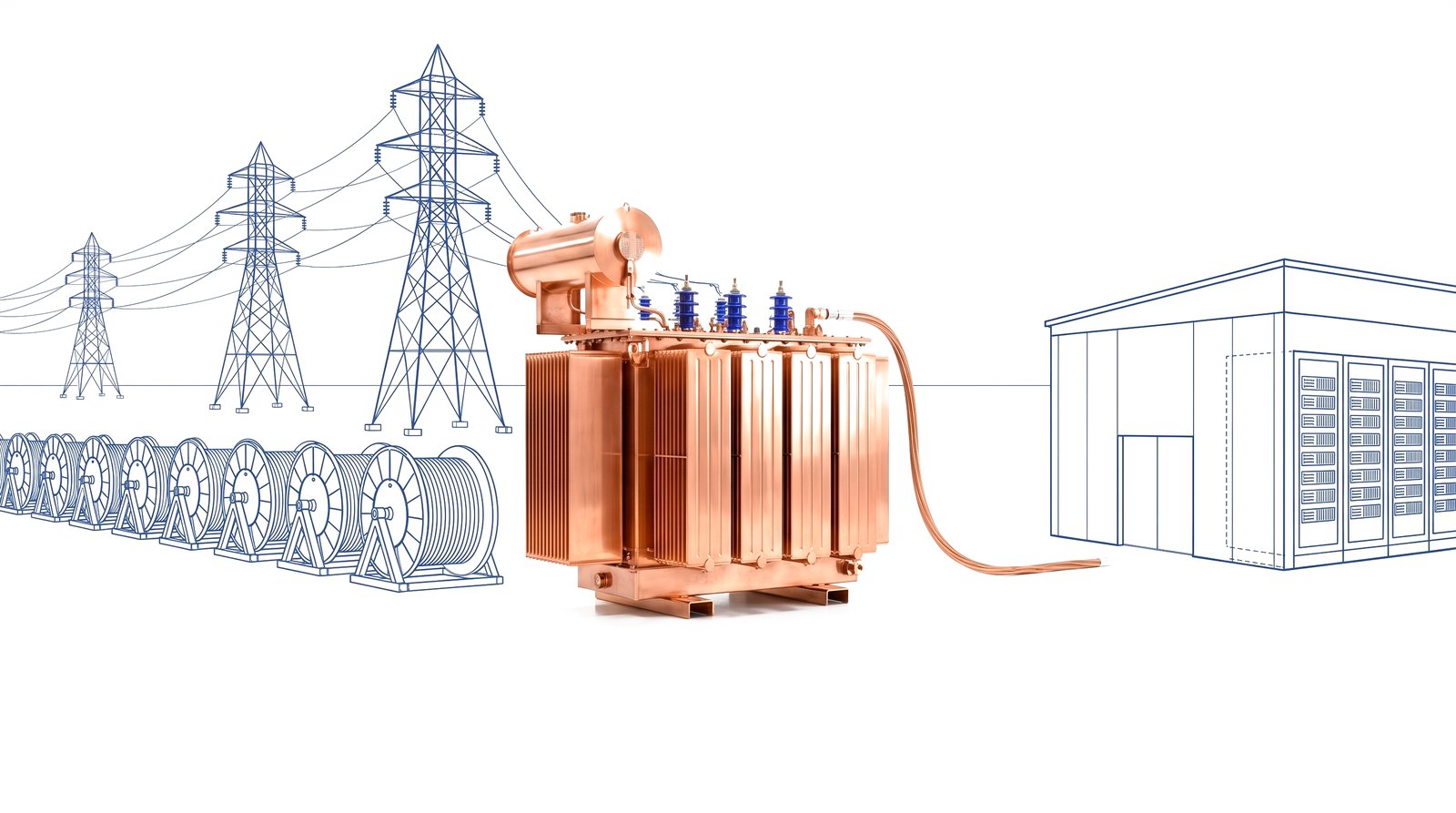
Power architecture shifts to meet AI demand
AI workloads are driving the adoption of 800V DC power architectures in data centers to handle higher power densities. As a result, Flex acquired EPC Power for $4.4 billion, thereby adding 800V DC, grid-forming, and other power-conversion technologies to its portfolio 2. EPC Power’s systems include grid-forming platforms that respond to power demand changes within milliseconds. In addition, these systems integrate energy storage and on-site generation, supporting microgrid applications 2. 800V DC systems enable more power to be transmitted at lower currents, which reduces the need for large conductors and lowers electrical losses in high-density AI facilities 2.
Grid-forming and power conversion technologies are becoming increasingly important in modern infrastructure. Specifically, EPC Power’s solutions consolidate functions that were traditionally handled by UPS systems and AC power distribution 2. Neil Osnato of Persistence Analytics Group noted that the $4.4 billion acquisition indicates power conversion is now a strategic element in AI infrastructure 2. Consequently, higher power densities make the way electricity is converted between the grid, storage, generation, and computing loads more significant 2.
Power demand for AI data centers is projected to rise sharply. Deloitte’s 2025 AI Infrastructure Survey estimates U.S. AI data center power demand could reach up to 123 GW by 2035, which is over thirty times current usage 4. Meanwhile, traditional grid capacity remains the main barrier to new AI data center construction 4. To address this challenge, developers are exploring alternative energy sources and on-site generation to ensure reliable 24/7 operations 4. Tech companies have recently signed contracts for more than 10 GW of potential new nuclear capacity 4. Furthermore, co-locating computing loads with clean energy generation can lessen the need for grid upgrades and reduce fossil-fuel pollution 4. Chris Hastings of Vanderweil Engineers highlighted the importance of planning beyond conventional utility services as AI adoption grows 4.
OpenAI has established a Clean Energy and New Technology Lead position within its Industrial Compute organization to assess clean power, advanced storage, grid flexibility, and efficiency technologies 12. This role evaluates projects based on reliability, cost, carbon impact, schedule, and resilience 12. Additionally, OpenAI has committed to providing up to 1,000 MW of flexible demand response to Georgia Power at its Project Camellia campus 12.
However, increasing rack power densities also raises the complexity and cost of electrical systems 2. Instead, the integration of storage, generation, and grid-forming converters introduces additional design and operational challenges 2. Grid stress and permitting delays are influencing where and how quickly new AI data centers can be deployed 4. Ultimately, these factors underscore the need for innovative power solutions in the AI era.
Cooling and efficiency: AI’s hidden bottleneck
Currently, AI racks often require 100 kW or more, and cooling systems frequently cannot keep pace. As a result, liquid cooling has become the leading method for these high-density racks. According to Schneider Electric, liquid cooling holds about 55% market share as of 2026. Air cooling, however, remains viable only up to roughly 50 kW per rack, according to the Uptime Institute. Beyond this limit, fans cannot move enough air to manage the heat effectively.
Therefore, operators must choose between single-phase and two-phase liquid cooling systems. Each option presents different trade-offs regarding cost, complexity, and scalability. Single-phase liquid cooling uses a dielectric fluid circulated through cold plates on GPUs and CPUs. This method efficiently removes heat up to around 100 to 150 kW per rack. However, it requires careful thermal design to avoid raising server and rack temperatures. In contrast, two-phase immersion cooling submerges servers in a dielectric fluid, absorbing heat through phase change. This approach handles higher densities but faces supply constraints due to PFAS restrictions. Replacement fluids are still under regulatory review as of 2027, according to Data Center Knowledge. Meanwhile, advanced methods like microfluidics remain mostly in development and are not yet mainstream, as noted by Schneider Electric.
Efficient cooling involves not only removing heat but also minimizing energy and operational overhead. AI-driven facility management systems now optimize cooling by predicting thermal loads and adjusting airflow or liquid flow in real time. These systems analyze telemetry from sensors and automatically adjust set points, as demonstrated by Digital Realty and others. However, the benefits are limited by the underlying cooling technology and facility layout.
Rack layout and airflow paths significantly influence heat removal effectiveness. As racks become denser, the distance between intake and exhaust can cause thermal interference, reducing cooling efficiency for both air and liquid systems. To address this, some operators are adopting modular or compartmentalized designs. Alternatively, they may use in-rack heat exchangers to separate hot exhaust from cool air intake.
Consequently, there is a close relationship between power delivery, cooling capacity, and rack layout. Even with advanced cooling, the facility’s electrical infrastructure must support the required power per rack. Otherwise, the system may exceed building or grid capacity, creating new bottlenecks. Therefore, cooling upgrades often require simultaneous investments in electrical distribution and grid connections.
As racks approach 200 kW and higher, the risk of thermal runaway or component failure increases if cooling is not precisely matched to the load. Operators are focusing on redundancy, real-time monitoring, and fail-safe shutdown logic to protect equipment. Ultimately, most current deployments keep rack power below 200 kW, with higher densities still considered experimental and dependent on custom solutions, according to industry reports.
Rack density: How high can you really go?
Rack density: How high can you really go?
Rack density: How high can you really go?
AI racks are now reaching unprecedented power levels. Nvidia’s GB300 NVL72 platform, which is central to many AI training clusters through 2025 and early 2026, requires up to 142 kW per rack according to Nvidia’s reference architecture. The Vera Rubin NVL72 platform, which enters full production in June 2026, reportedly needs between 190 kW and 230 kW per rack. In addition, Nvidia’s Rubin Ultra NVL576 “Kyber” platform, expected in the second half of 2027, is specified at around 600 kW per rack.
These numbers demonstrate a rapid increase in rack power density. However, physical limits are not solely determined by the number of GPUs in a rack. “The biggest misconception about what’s limiting density is that it’s capped by the number of GPUs per chassis, or that it’s a cooling issue you solve with bigger fans,” said Joseph Wolff, founder and CTO of eRacks Systems.
Instead, the main constraints involve heat removal, electrical delivery, and the risk of failure. Air cooling becomes impractical above roughly 50 kW per rack, according to Uptime Institute. As a result, liquid cooling is necessary for higher densities. Liquid cooling delivered through cold plates now supports 100 to 150 kW per rack and holds a 55% market share as of 2026, according to Schneider Electric.
However, even advanced cooling systems require matching electrical infrastructure. Racks that need 190 kW to 230 kW per rack demand precise electrical delivery and careful thermal management to prevent thermal runaway or component failure. Most deployments today, therefore, keep rack power below 200 kW, with higher densities still considered experimental and dependent on custom solutions, according to industry reports.
Furthermore, the benefits of increasing density diminish as power rises. Densification offers the greatest economic benefit when starting from low single-digit kW per rack. Beyond about 25 kW per rack, additional compression provides minimal savings, while the costs of supporting high-density power and cooling increase. For example, adding direct liquid cooling raises capital expenditure by roughly 5% to 10% for new builds, due to the need for coolant distribution units and fluid networks, according to Uptime Institute.
Therefore, the practical upper limit for most mainstream AI data center deployments today is below 200 kW per rack. Higher densities are achievable but require custom engineering and significant investment. These factors influence how quickly new AI capacity can be deployed and how it is financed.
The ceiling for rack density is set not by GPUs, but by how much heat and power the facility can safely and economically manage.
If you are planning an AI data center deployment, assess your site’s electrical capacity and cooling system first. Then, design your rack layouts within these constraints before selecting high-density hardware.
Site selection and grid integration challenges
AI data centers require sites that offer sufficient power and appropriate grid connections. The U.S. AI data center power demand could reach up to 123 GW by 2035, according to Deloitte’s 2025 AI Infrastructure Survey. Consequently, grid stress has become the main obstacle to new AI data center construction. High-density AI workloads often require up to 800V DC architectures for efficient power distribution, as recent EPC contracts worth $4.4 billion demonstrate, per Data Center Knowledge. This situation has led to a growing gap between available site power and AI requirements. As a result, developers are increasingly exploring locations outside traditional utility service areas.
Why location and grid matter
Many regions currently lack the infrastructure to support large new AI data centers without significant upgrades. In fact, securing grid capacity can take longer than constructing the data center itself, which leads to project delays. Developers must consider transmission and distribution timelines that may extend for several years.
Power source options and their trade-offs
On-site generation can help bridge the power gap for AI data centers. For example, developers are considering low-carbon sources such as nuclear power. In the past year, tech companies have signed contracts for more than 10 GW of potential new nuclear capacity, according to Goldman Sachs. Co-locating generation with the data center can reduce the need for extensive grid upgrades. However, on-site generation introduces additional costs and regulatory hurdles. Additionally, local permitting timelines can complicate these projects further.
Site planning around grid capacity
Some AI data centers are being designed for unusually high power densities. AI rack densities are limited by power, cooling, and failure risks, as reported by Data Center Knowledge. Developers now prioritize sites where grid upgrades are already underway or where excess capacity is available. Meanwhile, locations with limited grid headroom may force developers to wait months or years for necessary upgrades.
Water, zoning, and community constraints
AI data centers consume more water for cooling and more power for servers. Water scarcity can restrict where these facilities can be built. Zoning regulations and community opposition also influence site selection. Some regions have enacted moratoriums on new data center permits due to local resource strain.
Using alternative power and energy flexibility
Flexible load management and energy storage are increasingly important in data center planning. OpenAI, for instance, has agreed to provide up to 1,000 MW of flexible demand response to Georgia Power at its Project Camellia site. This approach helps balance grid demand and can reduce the need for additional generation. Moreover, it can help avoid peak demand charges. Other developers are adopting similar strategies to stay within grid limits.
Connecting to fiber and network infrastructure
AI workloads generate vast amounts of data, which can quickly overwhelm network capacity. Industry reports indicate that fiber infrastructure may become a bottleneck as data center growth accelerates. Developers must ensure that their chosen site has adequate fiber access and that network carriers are planning for future expansion. Otherwise, network limitations can restrict the effective use of compute resources.
The role of workforce readiness at the site
Building and operating AI data centers requires specialized skills. Ultimately, the next section will discuss workforce readiness and the skills gap that impacts site operations.
Workforce readiness and the skills gap
Across the industry, AI data centers require specialized skills that are currently in short supply. As a result, the industry is facing a significant shortage of workers trained in high-voltage electrical systems and advanced cooling. This shortage can slow deployments and affect reliability, according to 6. To address this, the Building Futures Skilled Trades Coalition aims to train and develop one million skilled trades professionals by 2035, backed by over 75 organizations including Nvidia and AT&T 6. In addition, Nvidia and AT&T are among the key companies supporting this initiative 6.
The gap in electrical and cooling expertise
Specifically, AI data centers often need staff who understand 800V DC power architectures and high-density cooling systems. As these data centers push toward 800V DC architectures, the demand for electricians and engineers trained in these systems is rising 2. Because of this shift, the transition to higher-voltage systems requires specific knowledge that is not widespread among current data center staff 2. Meanwhile, cooling is another area where expertise is lacking. AI workloads increase heat density, making advanced liquid cooling and thermal management skills essential 11. Data centers are using AI to optimize cooling, but operating these systems still requires specialized personnel 11.
Training programs and industry partnerships
To tackle the shortage, therefore, industry groups and companies are launching training programs. The Lowe’s Foundation’s Building Futures Skilled Trades Coalition is the largest cross-sector skilled trades coalition in U.S. history 6. The coalition has invested $250 million to train 250,000 tradespeople by 2035 through programs like Gable Grants 6. Furthermore, Nvidia and AT&T are supporting this coalition alongside other major employers 6. These programs focus on community colleges and nonprofits across 30 states 6.
Impact on deployment timelines and reliability
Overall, the lack of skilled workers can delay projects and increase operational risks. As data centers scale to meet AI demand, the shortage of qualified staff can become a bottleneck 4. Therefore, companies that cannot find enough trained personnel may postpone commissioning new facilities or operate them at reduced capacity 4. This situation can affect the pace at which AI compute is brought online 4.
Site selection influenced by workforce availability
Increasingly, site selection for AI data centers now considers local workforce capacity. Regions with established technical schools or partnerships with industry may have an advantage in attracting and retaining talent 4. Consequently, this can influence where new data centers are built and how quickly they can become operational 4.
The role of certifications and continuous learning
Meanwhile, certifications in data center infrastructure and AI operations are becoming more important. Employers are looking for candidates with credentials in high-voltage systems, liquid cooling, and AI workload management 11. Additionally, continuous learning is necessary because technology is evolving rapidly 11.
Industry initiatives to attract new talent
Beyond training coalitions, some companies are working directly with educational institutions to create pipelines for new workers. Nvidia’s partnership with MediaTek is part of a broader effort to support technology education and workforce development 5. Although not focused solely on data centers, such partnerships can help build the technical base needed for AI infrastructure 5.
Regional differences in workforce readiness
Notably, workforce readiness varies by region. Areas with a history of power or tech infrastructure may have more candidates ready for AI data center roles 4. On the other hand, regions without such programs may face longer hiring timelines and higher training costs 4. This can affect the choice of locations for new AI data centers 4.
The importance of retention and career paths
Ultimately, retention is as important as recruitment. Employers are building career paths that include certifications, mentorship, and clear advancement opportunities 6. As a result, this helps keep skilled workers in the industry and reduces turnover 6.
Connecting workforce planning to site operations
In practice, workforce planning must align with site operations from the beginning. Data center operators that integrate workforce readiness into their site strategy can avoid delays and improve reliability 4. This includes early engagement with local training providers and clear job descriptions for specialized roles 4.
The need for standardized training
Looking ahead, standardized training programs can help ensure consistency across the industry. Partnerships between industry leaders and educational institutions can create curricula that match the skills needed in AI data centers 6. This reduces the learning curve for new hires and helps fill gaps faster 6.
The link to operational reliability
Just as important, a well-trained workforce directly affects operational reliability. Skilled staff can prevent downtime by maintaining high-voltage systems and complex cooling infrastructure 11. Moreover, they are better equipped to respond to incidents and perform preventive maintenance 11.
The role of automation in mitigating the gap
Automation and AI-driven management tools can help compensate for workforce shortages in the short term 11. However, these tools still require skilled operators to design, deploy, and oversee them 11.
The outlook for the next five years
Looking further out, industry leaders expect the skills gap to persist for several years. The scale of new AI data center builds will continue to outpace the current supply of trained workers 6. Therefore, ongoing investment in training and education will be necessary to close this gap 6.
The most immediate risk for AI data center operators is not the cost of land or power, but the ability to find and keep the people who can build and run these facilities safely and reliably.
What to watch and what to do next
Track the shift to 800V DC power architecture
Flex’s acquisition of EPC Power for $4.4 billion signals a major shift in the industry 2. As a result, power conversion is moving from a supporting role to a strategic control point in AI infrastructure. This transition centers on 800V DC architectures, which can consolidate functions traditionally handled by UPS systems and AC distribution 2. Therefore, these systems may reduce conductor requirements and electrical losses as rack power increases. Operators should monitor the deployment of 800V DC systems and evaluate whether they can simplify power delivery and improve efficiency in new builds or retrofits.
Monitor cooling technology roadmaps and regulatory shifts
Two-phase immersion cooling adoption slowed due to PFAS restrictions; however, a replacement fluid was qualified in early 2026 8. Regulatory clarity on this issue is expected in 2027. Meanwhile, microfluidics remains on the roadmap but is still a few years away from mainstream use 8. Watch for updates on coolant availability and regulatory decisions. Additionally, assess the risk of delays in immersion deployments due to these ongoing changes.
Set realistic rack density targets
AI racks are now exceeding 100 kW, with Nvidia’s Vera Rubin NVL72 estimated to reach between 190 kW and 230 kW, and the Rubin Ultra NVL576 projected at roughly 600 kW by late 2027 8. Air cooling becomes impractical above about 50 kW per rack, and liquid cooling via cold plates dominates above 100 kW 8. However, this approach faces supply and technology constraints. Establish internal density limits based on proven cooling and power delivery capabilities, not solely on GPU counts.
Evaluate site selection and grid integration early
AI data center power demand could reach up to 123 GW in the US by 2035, but grid stress is already the leading obstacle to development 4. Plan for alternative power sources such as on-site generation and low-carbon options, including nuclear and behind-the-meter renewables, to avoid being limited by local grid capacity 4. Use the Grid Operator Watchlist to track regional grid constraints and upgrade timelines. This proactive approach can help prevent delays in site readiness.
Prepare for a persistent skills gap
The US faces an estimated 2.1 million skilled trades job shortfall by 2030, affecting tech and infrastructure sectors 6. Industry leaders expect the AI data center skills gap to persist for several years 6. Start or expand apprenticeship and training programs now. Furthermore, partner with community colleges and workforce organizations to build a pipeline for electricians, mechanical technicians, and data center operations staff.
Use tools to anticipate delays and resource constraints
Track capital availability, supply chain lead times for power and cooling equipment, and regulatory approvals that can delay site readiness. Monitor the Data Center Delay Tracker and Data Center Capital Atlas to benchmark your plans against market trends. As a result, you can anticipate bottlenecks and adjust strategies accordingly.
Plan for water and energy use transparency
As AI data centers scale, water and energy use reporting is becoming a regulatory and stakeholder priority. Use the Water Tracker to understand local water constraints and align site selection with sustainable water management practices. This will help ensure compliance and reduce operational risks.
Build cross-disciplinary teams now
Because AI infrastructure is as much a power systems problem as a compute problem, it is essential to bring together electrical engineers, mechanical engineers, grid experts, and operations staff early in the planning process 2, 4. This approach reduces rework and helps align site, power, and cooling strategies with long-term operational goals. Ultimately, cross-disciplinary collaboration supports more effective and efficient project execution.
How SAVRN builds for this
SAVRN builds AI factories that generate their own power on site and run water-free cooling, with a training institute at the front of every campus that reskills the local workforce. SAVRN also publishes and maintains public research tools that track the same trends this article covers: the Data Center Moratorium Tracker, the Water Tracker, the Data Center Delay Tracker, the Grid Operator Watchlist, the Capital Atlas and the US Data Center Map.
Frequently asked questions
What are the biggest physical limits on AI data center growth?
Which power architectures are best suited for next-gen AI workloads?
800V DC power architectures are increasingly preferred for AI data centers because they reduce energy losses and support higher power densities 2.
How does rack density affect cooling and reliability?
What alternative power sources are being adopted for AI data centers?
Developers are exploring on-site generation, such as natural gas and battery storage, alongside grid connections to meet high power demands 4.
How is the industry addressing the skilled labor shortage?
Partnerships between technology companies and education providers are creating training programs to build the workforce needed for AI data centers 6.
What cooling technologies are most effective for high-density AI racks?
How do site selection and grid access influence data center feasibility?
Access to reliable, high-capacity power grids and suitable land are critical for building new AI data centers. Sites with constrained power or zoning issues may not be viable 4.
What are the risks of pushing rack density too high?
How can operators prepare for future AI infrastructure demands?
Sources
- GPU Lifespan in Data Centers: Physical vs. Economic, Informa TechTarget, Data Center Knowledge, Sep 08, 2026.
- Flex Pays $4.4B for EPC Power as AI Data Centers Push 800V DC, Informa TechTarget, Data Center Knowledge, Sep 04, 2026.
- Could Fiber Be the Next Big Bottleneck in Data Center Growth?, Informa TechTarget, Data Center Knowledge, Sep 03, 2026.
- Meeting AI Demand: Alternate Power, Design, and Site Strategy, Informa TechTarget, Data Center Knowledge, Sep 01, 2026.
- Nvidia tips $3.5B into MediaTek in latest tech partnership, Light Reading, Informa TechTarget, Sep 01, 2026.
- AT&T, Nvidia back plan to bridge gap on skilled labor, Light Reading, Informa TechTarget, Sep 01, 2026.
- Render previews agentic AI expansion, Light Reading, Informa TechTarget, Sep 01, 2026.
- AI Rack Density’s Real Limits: Power, Cooling, Failure Risk, Informa TechTarget, Data Center Knowledge, Aug 28, 2026.
- QumulusAI Scales GPUs, but Powered Capacity Sets the Pace, Informa TechTarget, Data Center Knowledge, Aug 27, 2026.
- Nvidia’s AI Boom Tests Data Center Infrastructure Limits, Informa TechTarget, Data Center Knowledge, Aug 27, 2026.
- How Data Centers Are Using AI to Run Cooler and Smarter, Informa TechTarget, Data Center Knowledge, Aug 27, 2026.
- OpenAI Moves Energy Planning Inside Data Center Organization, Informa TechTarget, Data Center Knowledge, Aug 26, 2026.
- Lower density brings server efficiency and cooling gains - Uptime Institute Blog, Uptime Institute Journal, Jul 29, 2026.
Want the next one?
When a new piece publishes on SAVRN Insights, you get one email with what it covers and a link to read it. Choose the research that interests you.
Also send me
Receive a short introduction on days 3, 7 and 14, plus the updates you select. Unsubscribe in one click. Privacy
AI data center infrastructure limits
Get new SAVRN Insights by email
A short introduction on days 3, 7 and 14, plus new SAVRN research articles. Unsubscribe at any time.
We use your address to send the introduction and updates described above. See our Privacy Policy.