How data center cooling technologies impact efficiency and sustainability
A breakdown of cooling and water systems in AI data centers, their costs, risks, and sustainability trade-offs.
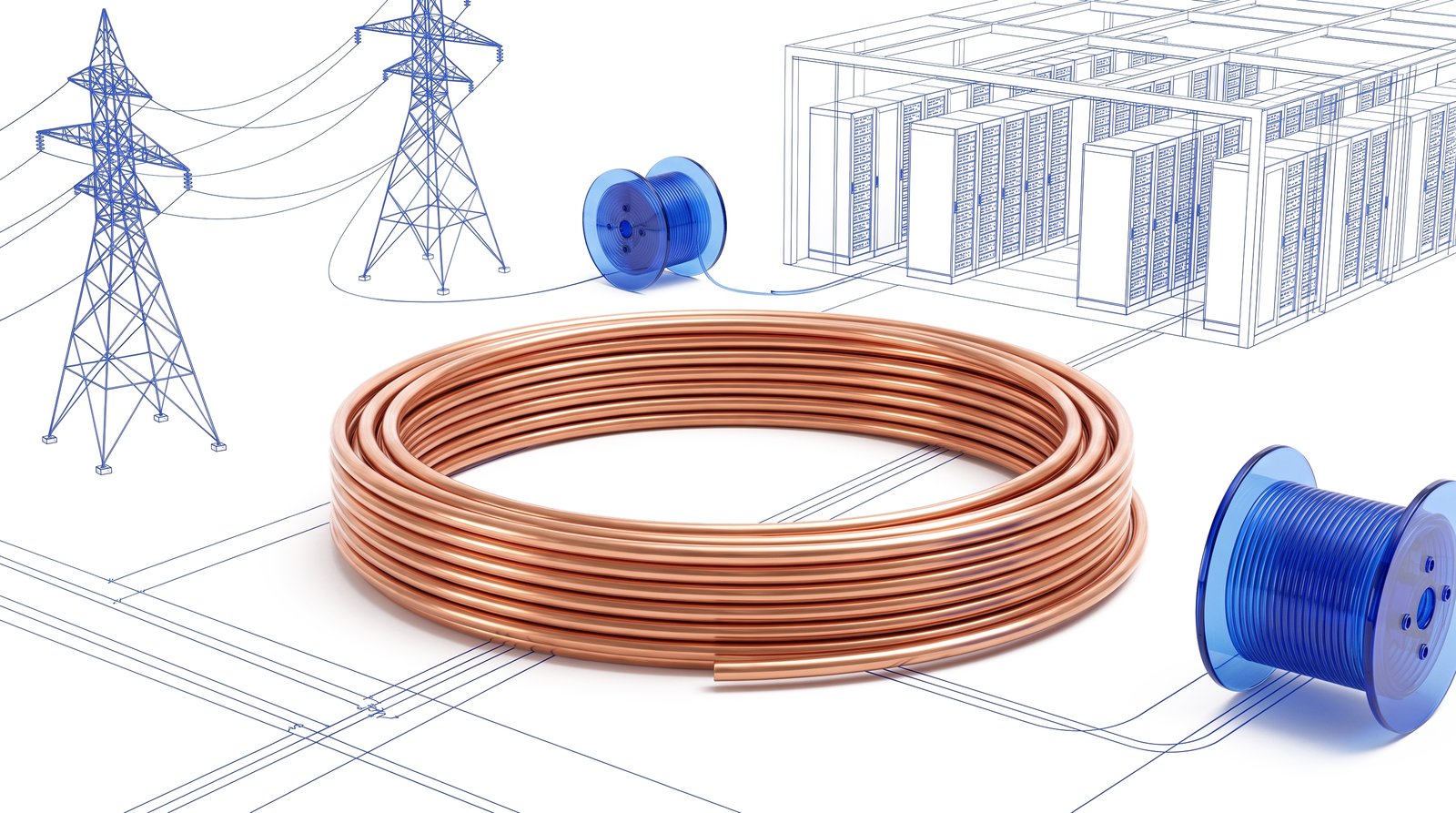
Data center cooling technologies are the largest energy user in AI data centers, and they shape how efficiently and sustainably these facilities operate. Most AI data centers rely on evaporative cooling, which uses large volumes of water to remove heat from servers. A 100 megawatt facility can consume about 2.5 billion liters of water per year, a figure that has drawn scrutiny from communities and regulators 2. However, water reuse remains uncommon. The leftover water from evaporative cooling contains minerals that concentrate over time and can foul cooling systems if reused without treatment, which is why many facilities discharge it as wastewater in accordance with local regulations 2. The rapid expansion of AI infrastructure has led to increased use of liquid cooling systems, which can raise the risk of corrosion. Corrosion often begins during construction and can reduce cooling efficiency and shorten equipment life, but it is frequently overlooked in project planning because its effects appear later in a facility’s lifecycle 1. Additionally, data centers can contribute to the heat island effect. Research using NASA satellite data from 2004 to 2024 found that operational data centers can raise local land surface temperatures by an average of 2°C, and up to 9°C in some cases, which has become a concern in community engagement and permitting processes 4.
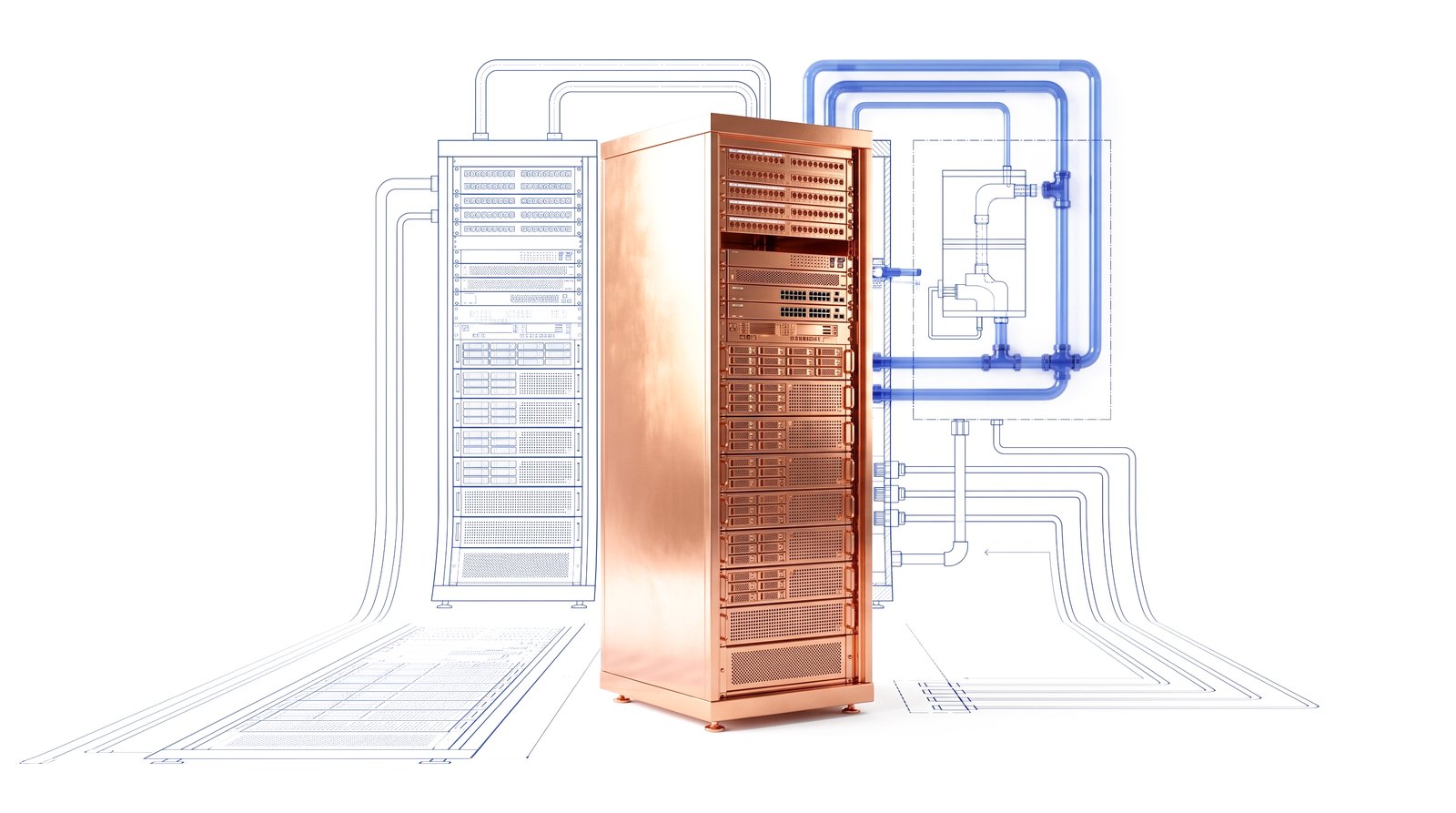
Why cooling technology matters now
AI data centers now account for up to 2.5% of total U.S. electricity demand, with some regions experiencing significant increases during peak periods 2. This high demand makes the choice of cooling technology a critical factor for both cost and environmental impact 2. AI workloads are projected to double every two years through 2030, so the heat generated by servers is also expected to rise quickly 4. Facility operators must therefore consider not only power consumption but also water use and heat emissions 2. In fact, regulators and communities are increasingly focused on the environmental footprint of data centers, which has led at least five U.S. states to require environmental impact assessments for new facilities 4.
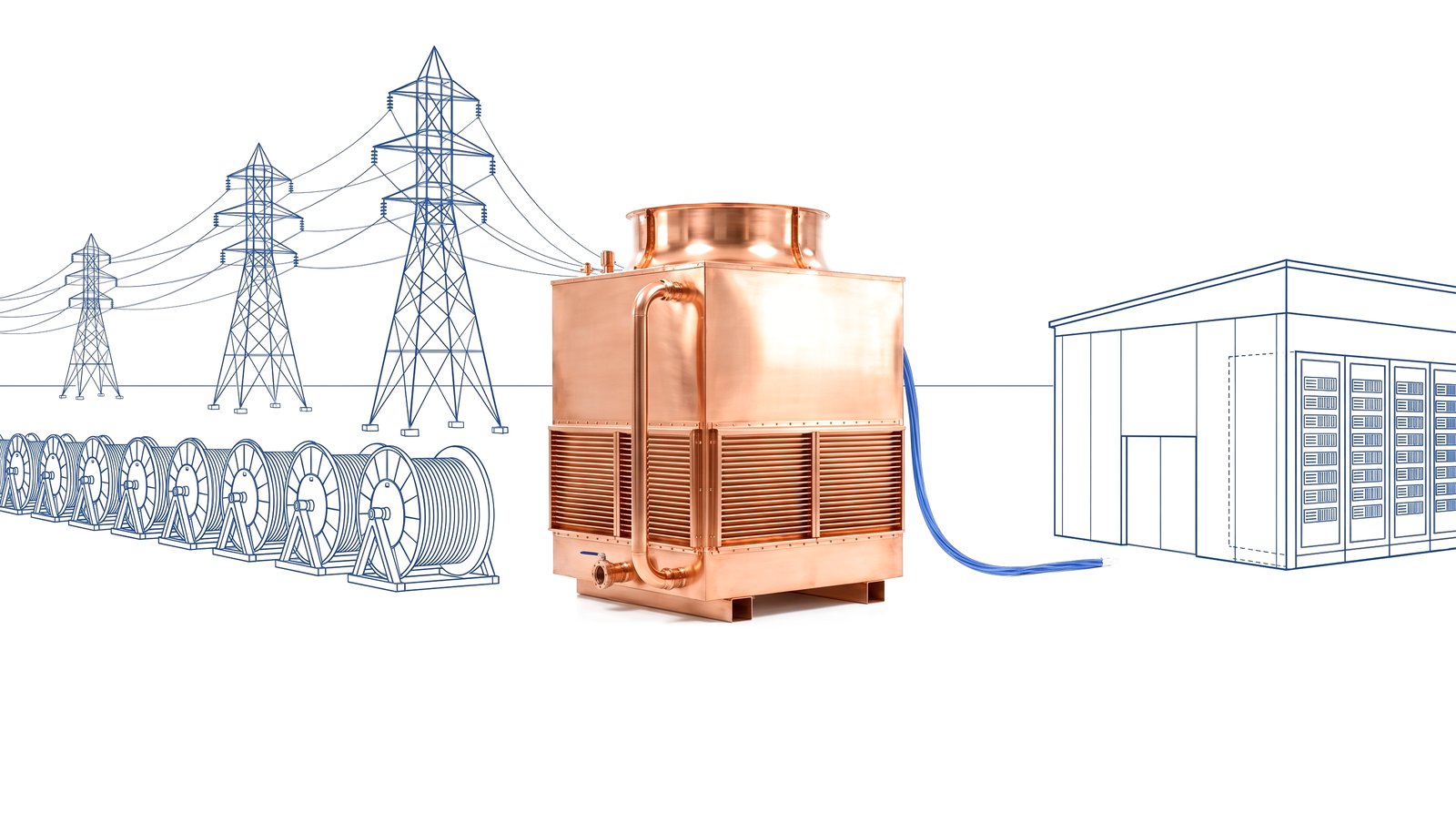
How water use and heat rejection shape choices
Most data centers currently rely on evaporative cooling, which uses water to remove heat from the air 2. For example, a 100-megawatt facility can consume a substantial amount of water each year, prompting Virginia and Arizona to introduce water-use limits for new data centers 2. The process of evaporative cooling leads to a large portion of water being lost to evaporation, with the remainder becoming residual water that may contain minerals 2. This residual water often requires treatment or discharge to meet water quality regulations, so many facilities opt to discharge it rather than attempt reuse 2. Closed-loop cooling systems can significantly reduce potable water use compared to evaporative systems, although they have higher installation and operating costs, which has limited their adoption 2.
Corrosion and long-term reliability
As data centers expand their liquid cooling systems, which can include extensive piping and multiple metals in heat exchangers, corrosion risk increases 1. Corrosion can begin during construction and storage, potentially affecting cooling efficiency if not properly managed 1. Industry studies indicate that corrosion results in substantial global costs, much of which is considered preventable 1. However, a 2025 industry survey found that only a small fraction of data center projects include corrosion prevention in their initial planning 1. This suggests that many facilities may face unexpected maintenance expenses over time.
Local environmental impacts
Recent research using NASA satellite data indicates that operational data centers can raise local land surface temperatures, with observed increases documented 4. The study, which analyzed a large number of data center locations and considered seasonal variations but has not yet been peer-reviewed, found measurable local temperature changes 4. As a result, at least three U.S. states have introduced draft legislation requiring data centers to report and manage local heat effects 4. Additionally, some communities now require operators to implement measures such as vegetative buffers or heat recovery systems to address these impacts 4.
What to take from this
- Most AI data centers still rely on evaporative cooling due to its lower upfront cost, despite higher operational energy use.
- Corrosion risk begins during construction and is often overlooked, threatening long-term facility reliability.
- Water reuse remains rare because current alternatives do not justify higher capital and operational complexity.
- The heat island effect can increase local temperatures and regulatory scrutiny, impacting project approvals.
- Early integration of preservation and environmental analysis can prevent costly retrofits and delays.
What the sources report about cooling technology adoption
Most AI data centers still rely on evaporative cooling as the primary method for removing heat from servers 2. However, this approach releases water vapor into the atmosphere instead of recycling it 2. As a result, a 100 megawatt data center can consume a significant amount of water each year 2. For example, this level of water use is comparable to that of several households 2. Despite these environmental concerns, only a small fraction of data centers currently use water reuse or closed-loop cooling systems 2.
The main reason for this situation is that alternatives such as closed-loop or liquid cooling require higher capital costs and greater operational complexity 2. Therefore, many operators do not see these options as economically justified at present 2.
Barriers to adopting alternative cooling technologies
Closed-loop cooling systems circulate a fluid in a sealed loop, allowing it to be reused without evaporation 2. These systems, however, require more upfront investment and additional space compared to evaporative cooling 2. In addition, they often consume more electricity in many climates, which can diminish their sustainability advantages 2. Treating and recycling water from evaporative cooling would also require extra infrastructure to remove minerals and prevent scaling 2. Consequently, most data centers continue to use evaporative cooling despite the associated environmental trade-offs 2.
Corrosion and construction risks affect long-term operations
Corrosion risk in data centers often starts during the construction phase 1. Yet, only a small fraction of projects include corrosion prevention in their initial planning, according to a 2025 industry survey 1. This lack of planning can lead to premature equipment failure and increased maintenance costs over time 1.
Local environmental impacts are measurable and growing
Satellite data from NASA indicates that operating data centers can raise local land surface temperatures by an average amount 4. Moreover, some sites experience higher increases during peak operation 4. This has prompted some communities to require operators to monitor and mitigate local temperature changes, such as by adding vegetation or heat recovery systems 4. Notably, at least three U.S. states are considering draft legislation that would require data centers to report and manage local heat island effects 4.
Data center operators face a trade-off: evaporative cooling is inexpensive and effective, but alternatives that conserve water or reduce heat effects often involve higher costs and complexity 2.
How do data centers decide between evaporative and liquid cooling?
Data centers select cooling methods based on climate, workload needs, and cost factors. In dry, hot regions, evaporative cooling is often chosen because it efficiently removes heat with less electricity 2. However, a 100 MW facility can use about 2.5 billion liters of water annually, which is comparable to the usage of roughly 5,000 homes 2.
Climate and water availability shape the choice
Evaporative cooling works best where the air is dry and water is plentiful 2. In contrast, humid areas see reduced effectiveness from evaporative cooling because the air already holds more moisture 2. Therefore, liquid cooling systems, such as direct-to-chip or immersion cooling, are often preferred in these cases since they handle higher server densities and are less affected by outside conditions 2. However, installing liquid cooling can cost two to three times more than evaporative systems, depending on the setup 2.
Cost and complexity favor evaporative cooling
Most data centers continue to use evaporative cooling because it is less expensive to build and operate 2. Operating liquid cooling systems typically costs more due to higher power requirements for pumps and heat exchangers 2. As a result, many operators maintain evaporative systems unless they face extreme density or water restrictions 2.
Water use and reuse remain limited
Currently, most data centers do not reuse the water from evaporative cooling 2. Approximately 20% to 30% of the water remains in the system after evaporation 2. This leftover water becomes too rich in minerals for reuse without additional treatment, which increases costs and complexity 2. Consequently, few facilities invest in water treatment for reuse 2. Instead, closed-loop liquid cooling can reduce potable water use but requires higher initial investment and more space 2.
Climate change and local rules influence the decision
Some regions now require data centers to monitor and limit temperature increases caused by cooling systems 4. This may make evaporative cooling less appealing if it contributes to local heat buildup 4. Meanwhile, hybrid or heat recovery systems are available but remain uncommon due to cost and technical challenges 4.
How SAVRN builds for this
SAVRN builds AI factories that generate their own power on site and run water-free cooling, with a training institute at the front of every campus that reskills the local workforce. SAVRN also publishes and maintains public research tools that track the same trends this article covers: the Data Center Moratorium Tracker, the Water Tracker, the Data Center Delay Tracker, the Grid Operator Watchlist, the Capital Atlas and the US Data Center Map.
What to do next
Check your cooling system’s real water use and footprint
First, use the Water Tracker to compare your facility’s water intensity against similar AI data centers. As a result, you can identify areas for improvement. Specifically, most evaporative cooling systems leave a significant portion of water as residual wastewater that is typically not reused 2. Therefore, if your region faces water scarcity, it is important to quantify the share of potable water used versus alternatives.
Assess corrosion risk during construction and commissioning
Next, review your project governance documents. At the same time, include preservation and corrosion management in early planning, not just during operations 1. Since corrosion can begin during equipment storage and installation, early attention is crucial. In addition, industry studies highlight substantial preventable corrosion costs 1. Consequently, without defined preservation governance, responsibility gaps can arise as equipment moves through manufacturing, transport, storage, and installation 1.
Model heat island impacts before permitting
To begin, use local temperature data and satellite land surface temperature maps to estimate your campus’s potential contribution to the heat island effect 4. Meanwhile, research indicates that operational data centers can warm their immediate surroundings, with observed increases documented based on satellite data from 2004 to 2024 4. Thus, regulators and communities increasingly require monitoring and mitigation plans as part of permitting 4.
Evaluate closed-loop or hybrid cooling economics
Start by running a cost-benefit analysis that includes capital, footprint, and operating expenses for closed-loop or liquid-to-air systems versus evaporative cooling 2. However, while closed-loop systems reuse nearly all fluid, they typically require higher capital costs and larger footprints. On the other hand, evaporative cooling often remains more cost-effective due to lower complexity 2.
Plan for water reuse where it makes sense
If you use recirculating water loops, plan to budget for water treatment to remove minerals and manage blowdown 2. Otherwise, residual water can scale and foul cooling systems, reducing efficiency 2. For this reason, treatment systems such as softening, filtration, and reverse osmosis can help but add cost and complexity 2.
Consider heat-pump water heaters for campus support loads
If your campus uses water heating, compare heat-pump water heaters to traditional electric or gas options 3. These systems are substantially more efficient, and installation costs are decreasing, with some models available at lower prices after incentives and with installation services 3.
Use SAVRN’s public tools to stay ahead of local constraints
Also, monitor the Data Center Moratorium Tracker and the Grid Operator Watchlist for emerging water or power restrictions in your region. Consequently, early visibility helps avoid delays 4.
Prepare a heat island monitoring plan
Finally, install temperature sensors and tie them to your sustainability reporting. Communities and regulators increasingly expect evidence of monitoring and mitigation for heat island effects 4.
- Quantify your facility’s water use per MW and compare it to industry benchmarks using the Water Tracker.
- Add corrosion prevention to your project governance and specify preservation requirements in contracts.
- Estimate and disclose your campus’s potential heat island impact before submitting permits.
- Run a 10-year total cost of ownership for cooling options, including maintenance and treatment if reusing water.
- If you use water heating, get quotes for heat-pump water heaters and include incentives in your budget.
- Subscribe to the Data Center Moratorium Tracker and the Grid Operator Watchlist for local policy changes.
Frequently asked questions
What percentage of a data center's energy is typically used for cooling?
Cooling is one of the largest single categories of energy use in a data center, alongside IT load itself, which is why the choice of cooling technology has such a direct effect on total operating cost 2. Therefore, reducing cooling energy use can significantly lower overall power consumption and operating costs.
Why do most data centers still use evaporative cooling?
Evaporative cooling remains common because it is cost-effective and works well in dry climates 2. In addition, its lower upfront and operational costs make it a practical choice despite the availability of alternative technologies.
What are the main barriers to adopting water reuse in data center cooling?
High capital costs and complex regulations are the main barriers to water reuse in data centers 2. Furthermore, facilities may face local opposition and uncertainty about long-term maintenance and water quality.
How does corrosion impact the lifespan of new AI data centers?
Corrosion can shorten the life of critical infrastructure by damaging equipment and structures before the end of their expected service life 1. As a result, early corrosion can lead to costly repairs and unexpected downtime.
When does corrosion typically begin in data center construction?
Corrosion often starts during construction, due to exposure to moisture and chemicals before systems are operational 1. Specifically, preventing corrosion must begin at the earliest stages of a project.
What is the heat island effect, and why does it matter for data center siting?
The heat island effect occurs when urban areas become significantly warmer than surrounding rural areas, often due to large buildings and infrastructure 4. For this reason, data centers located in such areas may experience increased cooling needs and environmental impacts.
How can heat island effects be mitigated in data center design?
Using reflective surfaces, green roofs, and efficient landscaping can help reduce heat island effects 4. Additionally, incorporating these features into site planning can lower ambient temperatures and reduce cooling loads.
What economic factors make water reuse less attractive for data centers?
The high initial investment and ongoing operational complexity of water reuse systems can make them less attractive compared to traditional cooling 2. However, sustainability leads should still consider long-term benefits alongside short-term costs.
How can facilities teams integrate corrosion prevention into project planning?
Facilities teams should specify corrosion-resistant materials and include preservation plans in the design phase 1. Moreover, early collaboration with corrosion experts can help identify risks and solutions before construction begins.
What should sustainability leads consider when evaluating cooling technology for new builds?
Sources
- The Corrosion Blind Spot in the AI Buildout, Informa TechTarget, Data Center Knowledge, Sep 03, 2026.
- Why Data Centers Rarely Reuse Cooling Water, Informa TechTarget, Data Center Knowledge, Sep 02, 2026.
- Heat-pump water heaters just keep getting better, Canary Media, Aug 27, 2026.
- Data centers face new scrutiny over heat island effect - Uptime Institute Blog, Uptime Institute Journal, Aug 20, 2026.
Want the next one?
When a new piece publishes on SAVRN Insights, you get one email with what it covers and a link to read it. Choose the research that interests you.
Also send me
Receive a short introduction on days 3, 7 and 14, plus the updates you select. Unsubscribe in one click. Privacy
How data center cooling technologies impact efficiency and sustainability
Get new SAVRN Insights by email
A short introduction on days 3, 7 and 14, plus new SAVRN research articles. Unsubscribe at any time.
We use your address to send the introduction and updates described above. See our Privacy Policy.