How data centers are shifting to renewable energy procurement in a changing power market
A look at how data centers are adapting their energy procurement strategies amid shifting renewable economics and grid constraints.
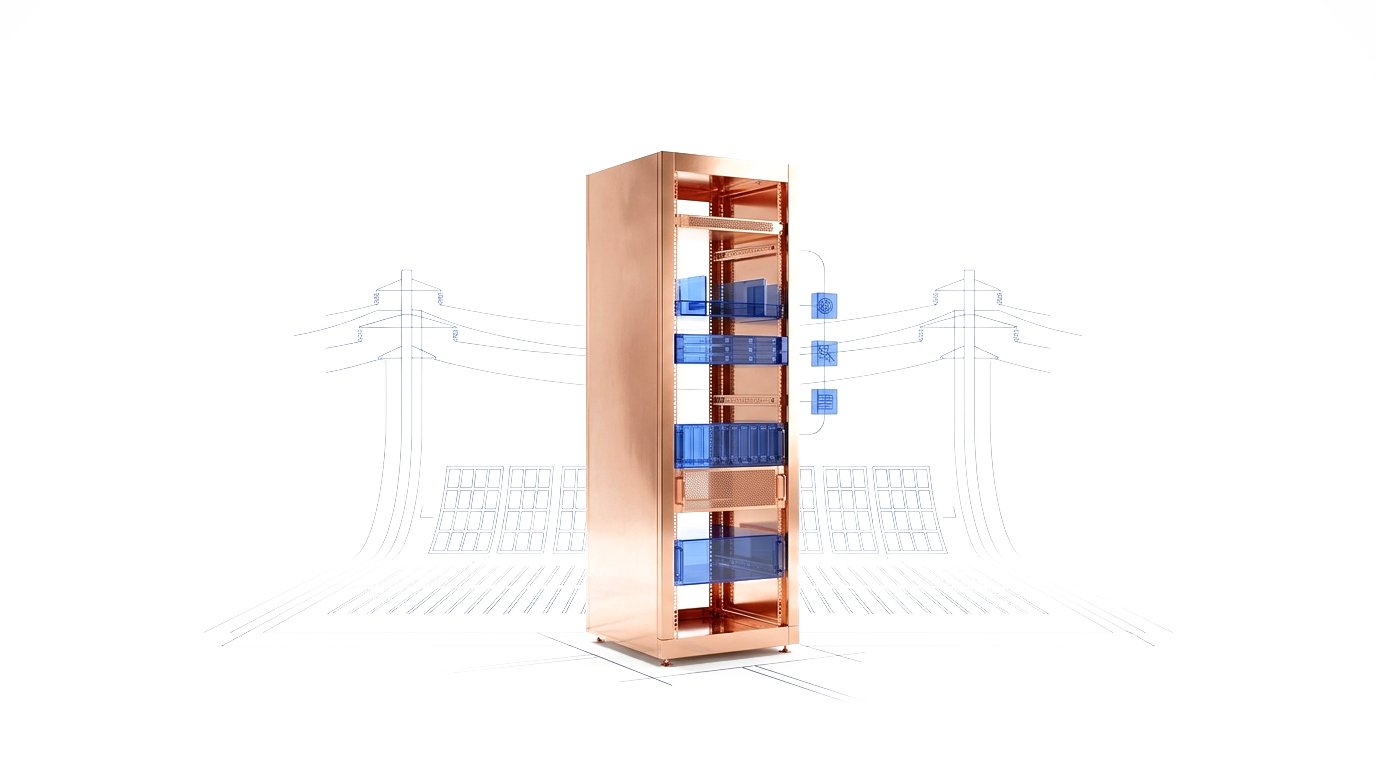
Data center renewable energy procurement: explore how data centers are pivoting to renewable energy procurement as solar and storage dominate, wind faces headwinds, and grid constraints rise. Data centers are moving fast toward solar-plus-storage, which represents the biggest shift yet in their renewable energy procurement strategies. This shift has led to a significant change in the types of projects being developed. As a result, land-based wind now accounts for a much smaller share of new projects, a sharp decline observed in recent years 1,3. Solar-plus-storage, however, has become the dominant choice, representing the majority of new U.S. power procurement for data centers. This trend is largely due to the fact that solar-plus-storage projects can be constructed and connected within the two or three years typically available before a campus needs power. In contrast, new transmission infrastructure for wind often cannot be completed within that timeframe 1,6. For campuses with fixed energization dates, this difference in timelines is especially important. Therefore, the ability to build solar-plus-storage within the available window becomes a critical factor. Ultimately, this timeline difference determines where new power generation is actually built.
Why this shift matters now
ERCOT’s grid has never carried this much load before. For the week ending August 22, 2026, weekly average demand reached 74.5 GW, which is 10% higher than the highest week of summer 2025 and 6% above the previous 2023 record of 70.0 GW 2. As a result, Texas took immediate action. The state ordered a review of data center interconnection requests, and ERCOT now audits every large-load proposal before granting it a queue position 2.
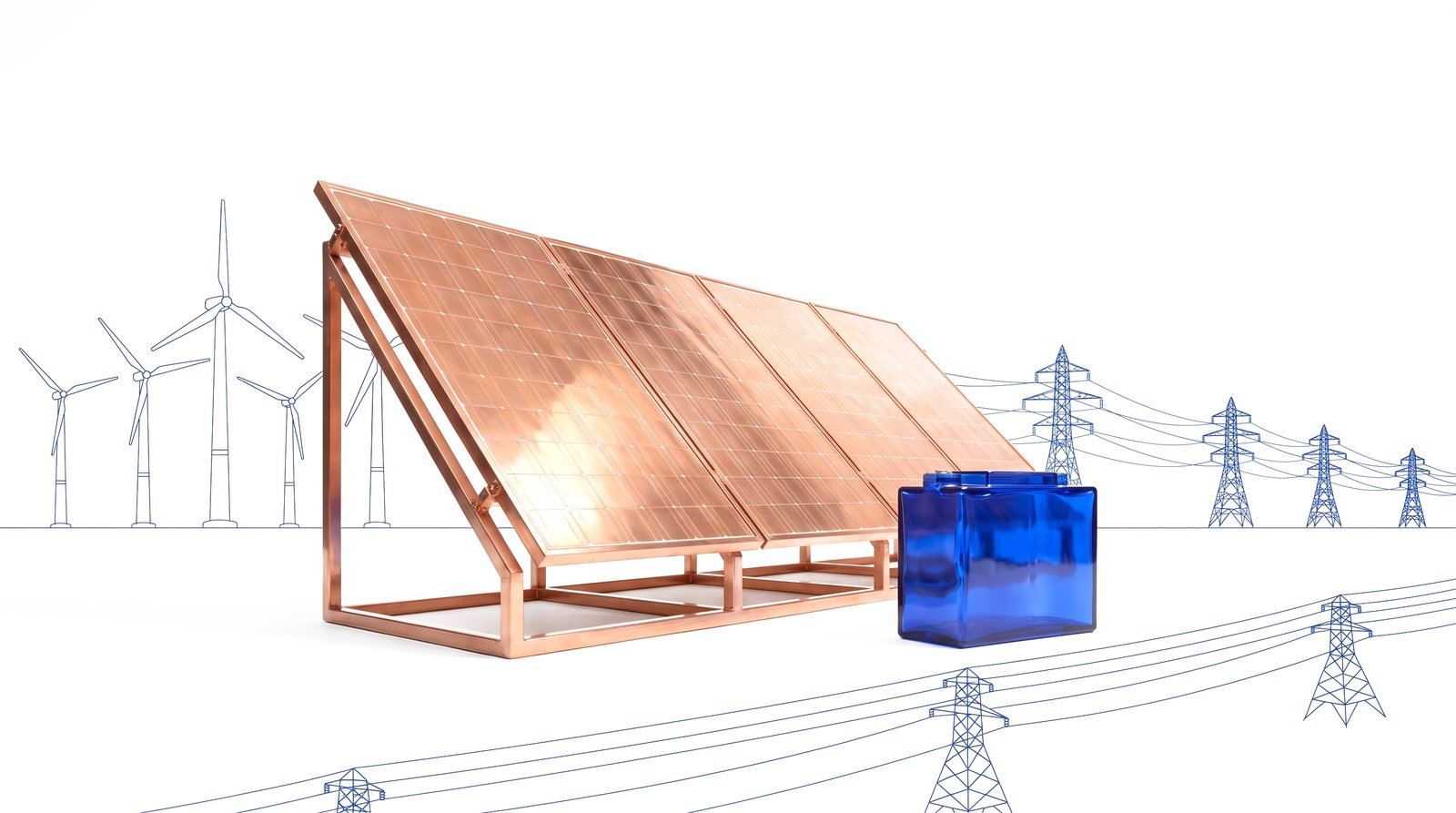
However, power planning has not kept up with this surge in demand. The Department of Energy declined to designate three transmission corridors that had already passed federal review, even though its own 2026 transmission study identifies data centers as a primary driver of future needs 6. Meanwhile, building a new transmission line still takes five to ten years, whereas a data center typically requires power within two or three years 6. Therefore, this mismatch is prompting utilities to explore alternative energy sources.
In addition, several utilities are now evaluating small modular reactors. They reason that a reactor priced near $120 per MWh could cost about the same as new gas generation, provided it can actually be delivered on time 7. Notably, this trend is not limited to Texas; ERCOT is simply experiencing it first. For example, resources that can be sited close to load and built within two to three years are more likely to succeed in this environment. In contrast, those that rely on new transmission corridors may struggle.
What to take from this
- Solar-plus-storage now dominates data center power procurement, accounting for the majority of new capacity additions.
- Land-based wind is declining as a procurement choice due to cost and siting challenges.
- Grid bottlenecks and long interconnection queues are forcing data centers to plan years ahead and consider alternative solutions.
- Geothermal and advanced nuclear are emerging as credible options for reliable, round-the-clock power supply to data centers.
What the sources report on procurement trends
Solar-plus-storage now dominates new U.S. power procurement
Solar and battery storage accounted for more than two-thirds of all new capacity added to the U.S. grid in the first half of 2026. Solar and storage made up more than 90% of what was built during that period. Average national PPA prices for land-based wind in Q2 2026 were $83.79 per MWh, while solar PPAs averaged $61.40 per MWh. Solar-plus-storage has become the grid’s “workhorse.”
Land-based wind faces a shrinking pipeline
The U.S. land-based wind project pipeline fell by 4% in the second quarter of 2026. At least 44 GW of wind projects remain stuck in review at the U.S. Department of Defense. The price gap between land-based wind and solar reached $22.39 per MWh in Q2 2026. Solar accounted for 54% of corporate PPAs in Q2 2026, with Meta, Oracle, and others also increasing their purchases.
Geothermal and advanced nuclear gain traction
Fervo Energy signed a 396-megawatt power purchase agreement with Google for enhanced geothermal systems, with an option to expand to nearly 1 gigawatt. This is the largest geothermal PPA to date. Advanced nuclear projects are being considered by utilities and large energy users for firm, low-carbon power, often through partnerships with hyperscalers and utilities.
Grid constraints and policy uncertainty shape timing
The U.S. Department of Energy declined three proposed transmission corridors in 2026 amid rising data center load and grid planning reviews. Transmission planning delays and grid constraints are affecting the timing and integration of new power projects. As a result, projects that can be built and connected quickly, such as solar-plus-storage, are prioritized.
Data center operators drive clean power demand
Utilities contracted 15,048 MW of clean power capacity in the first half of 2026, the largest share of any purchaser type. Google accounted for 54% of corporate PPAs in Q2 2026, with Meta, Oracle, and others also increasing their purchases. Hyperscalers and data center operators are among the largest procurers of clean power due to growing AI and compute loads.
The data shows a clear shift: solar-plus-storage is now the dominant choice for new data center power procurement, while land-based wind’s pipeline is shrinking and emerging technologies like geothermal and advanced nuclear are securing pilot-scale deals.
How this affects SAVRN’s procurement approach
Accordingly, SAVRN prioritizes solar-plus-storage projects that can be permitted and built quickly, aligning with current market preferences. We target sites with strong interconnection options to avoid delays linked to transmission or permitting. We also monitor emerging technologies and regulatory changes that could enable new sources of firm, low-carbon power.
How do data centers decide between solar, wind, and storage?
Data centers require reliable and cost-effective power to operate 24/7. Therefore, solar and battery storage accounted for 67% of all new power capacity added to the U.S. grid in the first half of 2026. 3 This shift is primarily because solar projects can be permitted and built more quickly than land-based wind, and battery storage enables firm power supply. 1, 3 In contrast, the land-based wind project pipeline fell by 4% in the second quarter of 2026 due to regulatory and price pressures. 1 At least 44 GW of wind projects are stuck in review at the U.S. Department of Defense. 1 Average national PPA prices for land-based wind reached $83.79/MWh in Q2 2026, a 17.5% year-over-year increase. 1 Solar PPAs averaged $61.40/MWh in the same period, creating a $22.39/MWh price gap with wind. 1 Because wind projects face longer permitting and interconnection processes, they are less attractive for data centers needing rapid deployment. 1 Consequently, solar-plus-storage is the dominant choice for new clean energy procurement by data centers. 3
Solar-plus-storage fits the timeline and the site
Solar projects typically have shorter permitting and construction timelines compared to land-based wind. 1, 3 Battery storage paired with solar allows data centers to meet reliability targets and supply power during periods of low sunlight. 3 This capability is increasingly important as grid load levels in regions like Texas remain near record highs, making it harder to connect new demand without firm power solutions. 2 Consequently, SAVRN uses the Data Center Moratorium Tracker and Grid Operator Watchlist to identify sites with likely permitting or interconnection delays and avoid them. 6
Land-based wind faces headwinds
The land-based wind pipeline declined by 4% in Q2 2026. 1 At least 44 GW of wind projects are stuck in review at the U.S. Department of Defense. 1 Land-based wind PPA prices increased 17.5% year-over-year to $83.79/MWh in Q2 2026. 1 Solar PPAs in the same period averaged $61.40/MWh. 1 Hence, wind accounts for a smaller share of new clean energy for data centers. 3
Storage is now a must-have
Battery storage is included with the majority of new solar projects for data centers. 3 This inclusion provides operators with the ability to supply power even when the sun is not shining, helping meet reliability standards and reducing outage risks from grid issues. 3 In addition, utilities in constrained regions often require storage to support new load connections. 6
Site and grid constraints shape the decision
The best choice for a data center depends on local conditions. For example, solar-plus-storage is effective where land is available and sunlight is abundant. 1, 3 However, wind may still be viable in regions with strong wind resources, but such cases are increasingly rare due to longer timelines and higher costs. 1 Importantly, long grid interconnection timelines can delay projects by years, so data centers needing quick power often select solar-plus-storage to avoid these setbacks. 6
New technologies are being evaluated
Geothermal power is entering the data center energy mix, as shown by Google’s 396 MW geothermal PPA with Fervo Energy, the largest-ever geothermal PPA. 5 Advanced nuclear reactors are being considered by utilities and hyperscalers for reliability, but are not yet widely adopted. 7 Therefore, SAVRN evaluates these options only where they meet specific customer needs for firm power and align with regulatory and construction timelines. 5, 7
Data centers now choose solar-plus-storage because it is fast, reliable, and fits the available land.
What this means for data center operators
If you are building a new data center, begin by evaluating local solar resources and battery storage options. Next, review interconnection and permitting timelines early using tools such as the Data Center Moratorium Tracker and Grid Operator Watchlist to prevent delays. 3, 6 Also, consider geothermal or advanced nuclear only when firm, round-the-clock power is essential and project timelines allow. 5, 7
What role do grid constraints play in procurement timing?
Grid constraints now significantly influence when and how data centers secure power. For example, in ERCOT, the weekly average load reached a record 74.5 gigawatts for the week ending August 22, 2026, which was a 10% increase over the highest summer 2025 average and 6% above the previous 2023 record of 70.0 gigawatts. 2 As a result, ERCOT recently imposed a moratorium on new data center interconnections in Texas. 2 Consequently, ERCOT is now auditing proposals from data centers seeking to connect to the grid. 2 Meanwhile, at least 44 gigawatts of wind projects remain stalled in the U.S., indicating a substantial backlog. 1 Therefore, the U.S. Department of Energy’s draft 2026 National Transmission Needs Study identifies data center load growth as a major driver of future transmission needs. 6 In addition, interconnection processes can take several years, which delays projects requiring grid upgrades. 6
How interconnection queues affect timelines
Interconnection queues are currently lengthy. For instance, at least 44 gigawatts of wind projects are stalled, reflecting a significant backlog. 1 Furthermore, the interconnection review process can take multiple years, which delays projects that require grid upgrades. 6 While the Texas Competitive Renewable Energy Zones program aimed to plan transmission ahead of generation, it took nearly two decades to deliver large-scale infrastructure. 6
Why data centers use alternative procurement strategies
Long interconnection timelines have led data centers to pursue on-site solar and battery storage instead. Solar and storage projects dominate new U.S. power plant construction because they are faster to permit and build than new transmission lines. 3 Additionally, some data centers sign long-term power purchase agreements for power that cannot be delivered until grid upgrades are complete. 6 However, this approach requires careful planning to avoid stranded assets. 6
How utilities and regulators respond
Utilities and regulators face pressure to expand transmission capacity but are cautious about building ahead of demand to prevent underused infrastructure. 6 Notably, the DOE declined to designate three proposed transmission corridors after its study cited data center load growth as a key factor. 6 Meanwhile, ERCOT’s audits of data center interconnection proposals show increased scrutiny and potential delays. 2
Tools to navigate the uncertainty
Data center operators can monitor interconnection queue statuses and local permitting timelines to anticipate delays. 6 Specifically, tracking regional grid operator constraints, such as the Texas moratorium on data center interconnections, helps avoid unexpected setbacks. 2, 6 In areas with transmission bottlenecks, on-site solar-plus-storage often provides the fastest path to near-term power needs. 3, 6
The impact on procurement timing
Procurement timing is now largely shaped by grid readiness. 6 Therefore, data centers waiting for grid upgrades may face delays of several years before reaching full capacity. 6 On the other hand, those deploying on-site solar-plus-storage can begin operations sooner while waiting for transmission expansion. 3 Ultimately, these trends are prompting more data centers to adopt quickly deployable alternatives. 3, 6
How are new technologies like geothermal and advanced nuclear entering the mix?
Geothermal gains a foothold with large PPAs
Geothermal energy is now entering the data center procurement landscape through large power purchase agreements. 5 For example, Fervo Energy signed a 396 MW power purchase agreement with Google for a potential data center in Utah. 5 This marks the largest geothermal PPA to date. 5 As a result, the project is expected to come online in 2028. 5 Additionally, Google may expand the offtake by approximately 600 MW, bringing the total to nearly 1 GW by June 2030. 5 Meanwhile, the Cape Station project has received permitting approval for up to 2 GW of reliable and renewable energy. 5 Notably, Fervo Energy states the power will be available around the clock. 5 Therefore, geothermal is demonstrating its ability to provide firm, carbon-free energy for large loads. 5
Why geothermal is attractive for data centers
Geothermal energy offers reliable baseload power that does not depend on weather conditions. 5 In addition, it can be sited near the load, which reduces the need for long-distance transmission lines. 5 For instance, Fervo’s pilot project in Nevada already supplies local data centers. 5 Furthermore, the project uses a repeatable commercial model that can be scaled up. 5 This is important because operators seek stable, long-term power sources. 5 Consequently, geothermal is becoming a more attractive option for data center developers. 5
Advanced nuclear moves from pilot to deployment
Advanced nuclear reactors are transitioning from pilot projects to commercial deployment. 7 Hyperscalers and large energy users are now supporting early-stage projects. 7 Specifically, Google, Amazon, and Microsoft have signed deals with advanced nuclear developers. 7 Kairos Power, for example, has a deal with Google targeting up to 500 MW by 2035. 7 These agreements are structured as order books for multiple units rather than single plants. 7 This approach aims to standardize reactor designs and lower costs over time. 7
Utilities see a role but face grid limits
Utilities view advanced nuclear as a firm, low-carbon energy source. 7 However, the grid may not be ready to accept new generation quickly. 7 Long interconnection timelines and limited transmission capacity could delay deployment. 7 Coordination among government, utilities, and private developers is therefore necessary. 7 Data center operators must align procurement timelines with grid readiness. 6 In some regions, transmission upgrades may further delay power availability. 6
How these technologies fit procurement strategies
Data centers are incorporating new technologies into their procurement strategies. 5, 7 Solar-plus-storage remains dominant due to its speed and flexibility. 3 Geothermal and advanced nuclear, on the other hand, can provide firm, round-the-clock power for large campuses. 5, 7 However, land availability, permitting, and grid interconnection still limit how quickly these projects can be built. 6 Operators often use solar-plus-storage in the near term while planning for geothermal and nuclear in the future. 3, 6 This staged approach helps balance risk and reliability. 3
New technologies like geothermal and advanced nuclear are moving from pilot to commercial scale, offering data centers firm, carbon-free power, but only if grid and permitting timelines align.
What this means for procurement timing
Data center operators now evaluate geothermal and advanced nuclear alongside solar and storage options. 5, 7 They specifically seek projects with clear permitting paths and grid interconnection plans. 6 Moreover, they monitor policy changes that could affect project economics. 6 As these technologies scale, they may become more accessible for a wider range of sites. 5, 7 Until grid and permitting challenges are resolved, however, most new procurement still favors solar-plus-storage due to its speed. 3
How SAVRN builds for this
SAVRN builds AI factories that generate their own power on site and run water-free cooling, with a training institute at the front of every campus that reskills the local workforce. SAVRN also publishes and maintains public research tools that track the same trends this article covers: the Data Center Moratorium Tracker, the Water Tracker, the Data Center Delay Tracker, the Grid Operator Watchlist, the Capital Atlas and the US Data Center Map.
What to do next
Assess your site’s grid and regulatory position early
Start by using SAVRN’s tools to check local grid capacity and regulatory status. First, use the Data Center Moratorium Tracker to see if your area is under a moratorium; for example, ERCOT is auditing new data center interconnections after a recent moratorium in Texas. Next, use the Grid Operator Watchlist to review your interconnection queue position; at least 44 GW of wind projects are “stuck” in the U.S. pipeline, indicating significant delays. In ERCOT, weekly average load reached a record 74.5 GW for the week ending August 22, 2026, up 10% from the previous summer high. These steps help identify where delays or limits might affect your power procurement timeline. 1, 2, 6
Lock in solar-plus-storage power early
Solar and storage now make up more than two-thirds of new U.S. power capacity added in the first half of 2026. Therefore, if you are building a new campus, prioritize solar-plus-storage in your power purchase agreements to avoid long queue delays and align with current market trends. 3
Evaluate alternative technologies where they fit
Consider geothermal if your site has suitable resources; Google signed a 396 MW geothermal power purchase agreement, the largest of its kind, to power data centers. However, advanced nuclear and geothermal projects typically require longer lead times compared to solar and storage. 5
Plan for transmission and permitting timelines
Transmission planning can take years; the DOE recently declined three proposed transmission corridors, reflecting the challenge of building ahead of demand, especially from data centers. As a result, secure firm transmission commitments early by working directly with utilities to avoid delays. 6
Watch for policy and market shifts
Recent policy changes, such as the phase-out of tax credits and new tariffs, have increased the cost of clean energy projects in the U.S. Accordingly, monitor ongoing regulatory and market changes and adjust your procurement strategy as needed. 3, 7
Use SAVRN’s delay and water tools to manage risk
Track potential delays with the Data Center Delay Tracker and water constraints with the Water Tracker. These resources can help you anticipate construction and operational challenges, such as sustained high electricity demand in ERCOT, which averaged a record 74.5 GW in a recent week. 2
Next steps for your team
- Run a site assessment using SAVRN’s grid and regulatory tools, checking for local moratoriums and interconnection queue status.
- Lock in solar-plus-storage power as soon as possible to avoid delays and align with market trends.
- Evaluate geothermal or advanced nuclear where feasible, considering longer lead times.
- Secure firm transmission commitments with the local utility early in the process.
- Monitor policy changes and adjust your plans accordingly.
- Track delays and resource constraints using SAVRN’s delay and water tools.
Frequently asked questions
What share of new U.S. power procurement for data centers now comes from solar-plus-storage?
Solar-plus-storage has become the dominant choice for new U.S. power plant construction and is increasingly preferred for data center power procurement 3. As a result, developers frequently choose this technology because it provides reliable, dispatchable power.
Why is land-based wind losing ground in data center procurement?
Land-based wind projects are facing higher costs and a shrinking pipeline compared to solar, which is causing data center operators to prioritize other options 1. Consequently, many are turning to solar-plus-storage or alternative technologies for their power needs.
How do grid constraints affect the timing of renewable energy projects for data centers?
Grid congestion and long interconnection queues often delay the delivery of renewable energy to data centers 6. Furthermore, data center developers may experience multi-year waits for transmission upgrades, which can postpone the operation of new renewable projects.
What are the main benefits of geothermal energy for data center power procurement?
Geothermal energy offers consistent, baseload power that does not depend on weather, making it highly reliable 5. Therefore, data centers that require stable, 24/7 power often find geothermal attractive.
How do hyperscale data center operators influence the adoption of advanced nuclear?
Hyperscale operators are early adopters of advanced nuclear reactors, which drives demand for reliable, low-carbon baseload power 7. As a result, their procurement decisions can accelerate the deployment of new nuclear technologies.
What is the typical interconnection queue wait time for new data center power projects?
Interconnection queue wait times often extend for several years due to a backlog of requests 6. This delay can significantly affect the timeline for bringing new renewable energy online for data centers.
How can data centers mitigate the risk of transmission delays?
Data centers can reduce risks by securing land near existing transmission infrastructure or by working with utilities to pre-develop capacity 6. Additionally, entering early-stage agreements with utilities can help speed up project timelines.
Which technologies are most reliable for 24/7 data center power needs?
How does regulatory uncertainty impact renewable procurement strategies?
Regulatory uncertainty can increase costs and slow permitting, making long-term renewable procurement more difficult 6. Therefore, data centers may diversify their procurement strategies or delay projects to manage these risks.
What is the largest geothermal PPA signed for a data center to date?
The largest geothermal power purchase agreement for a data center is a 396-megawatt PPA between Fervo Energy and Google 5. Notably, this agreement is intended to power data centers and represents a significant milestone for geothermal energy in the industry.
Sources
- Land-based wind power pipeline shrinks as price gap with solar widens, Industry Dive, Utility Dive, Sep 03, 2026.
- Weekly average load in ERCOT continues near record high, U.S. Energy Information Administration, Sep 03, 2026.
- Solar and storage still dominate US power plant…, Canary Media, Aug 21, 2026.
- Is Maine finally about to make wind power happen?, Canary Media, Aug 25, 2026.
- Fervo Energy and Google ink largest-ever geothermal PPA to power data centers, Power Engineering, Clarion Events, Sep 02, 2026.
- DOE Retreat on Transmission Corridors Tests Grid Planning, Informa TechTarget, Data Center Knowledge, Aug 28, 2026.
- Utilities eye small modular nuclear reactors for reliability as hyperscalers drive demand, Industry Dive, Utility Dive, Sep 04, 2026.
- Solar-plus-storage is having a global growth spurt, Canary Media, Sep 04, 2026.
Want the next one?
When a new piece publishes on SAVRN Insights, you get one email with what it covers and a link to read it. Choose the research that interests you.
Also send me
Receive a short introduction on days 3, 7 and 14, plus the updates you select. Unsubscribe in one click. Privacy
How data centers are shifting to renewable energy procurement in a changing power market
Get new SAVRN Insights by email
A short introduction on days 3, 7 and 14, plus new SAVRN research articles. Unsubscribe at any time.
We use your address to send the introduction and updates described above. See our Privacy Policy.